Just when you think you’ve seen it all
The term “unprecedented times” or other similar descriptions of certain events makes me roll my eyes. I thought about this terminology as I drove west to my youngest’s last track meet of the season May 14 through windy conditions and progressively darkening skies.
We’ve probably gotten less than 2 inches of rain this year, and in my lifetime, I’ve been through a couple droughts that are hard to forget about (2011 and 2012). We even survived the 2017 Starbuck fire in Clark County and I’ve written numerous stories about the destruction of wildfire, how to prepare and how to recover. So just when I think I’ve seen it all, something new happens.
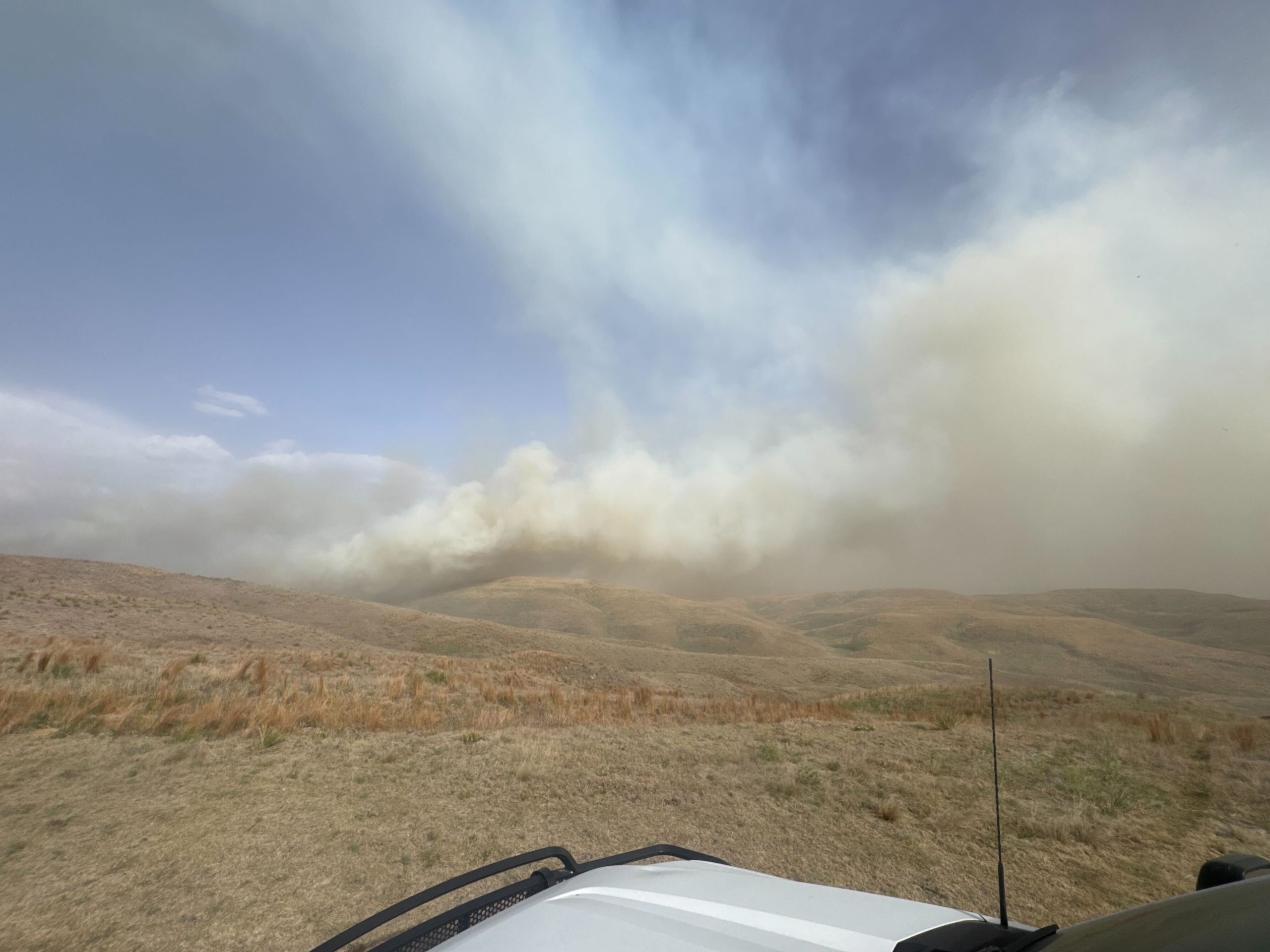
As I drove on, I noticed smoke to the south of me. The farther west I got, I noticed even more smoke in the distance. Occasionally a lightning strike would catch my attention.
When I got to Satanta, Kansas, it was sprinkling. It had rained a little already and the track meet was delayed. I couldn’t help but notice the clouds to the west that looked red. I thought it was likely the sun shining through the storm clouds, but it was actually smoke. The smoke smell attacked my nose when I got out of the pickup.
The track meet was canceled and as we drove home there was still smoke to the south. Come to find out this smoke was from the fire that started near the Meade State Lake. The lake was subsequently evacuated and remains closed. There were other fires around Meade, Clark and Comanche counties that night too. In the days to come, Meade, Fowler and Ashland, Kansas, were forced to be evacuated because of fire.
Once again, I worried about our cows and calves as they’re still in the calving pasture south of our farm in Clark County. We’re just at the edge of the open range and with the rough terrain and lack of cropland, all it would take is for a single spark to start a fire there. Or the wind could switch and drive the flames our way. Luckily, that hasn’t happened yet.
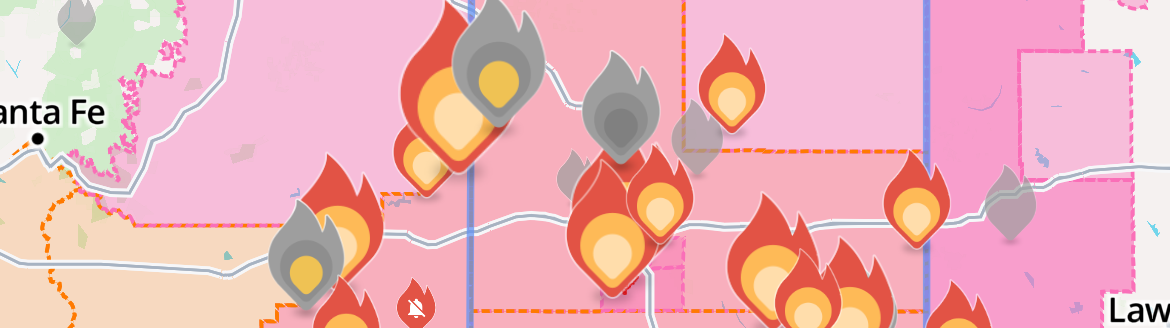
When we finally got home from the track meet, there was disappointingly no rain at our house. Remnant clouds made our sunset pretty though. Later that evening I looked on social media, and I learned of more fires in Texas, New Mexico and other areas of the region—most started by dry lightning. The very thing needed to help keep the prairie safe, rain, wasn’t coming and these dry storms were wreaking havoc. Many fire departments in Meade, Ford, Clark, and other counties began relaying calls for help.
May 16 didn’t prove to give any relief to these areas either and heat along with relentless winds battered southwest Kansas, the panhandles and eastern Colorado. More and more fires kept popping up. As we left to attend a graduation ceremony, the wind was still strong. It was hazy and visibility went down the farther south we went. And we could see smoke by the Clark County Lake.
Luckily for our excursion, we managed to get out of the haze and didn’t smell smoke when we arrived at Bucklin. We watched with hope as some clouds started building to the south. My mom—ever hopeful—said, “maybe they’ll bring rain.” I knew they wouldn’t as fires can create “storms” and the rain won’t happen. According to Google, they’re called pyrocumulus or pyrocumulonimbus clouds.
May 17 was no fun either. It reached nearly 100 degrees in southwest Kansas, and winds pushed the fires around and made the situation even more dangerous. As acre numbers grew, so did the need for more firemen, more trucks and more heavy equipment to battle the blazes. Many fire departments across Kansas and some from Oklahoma have made the trek to my side of the state.
Five days later, the fires are still burning in some areas of southwest Kansas. As of May 19, the Kansas Forest Service is calling the Herman Ranch complex in Clark County—which includes the Herman Ranch Fire, the 500-Acre Pond fire, the Bouziden Ranch Fire and the Lexington Fire at 35,455 acres burned and 30% contained. The Meade Lake Complex in Meade County contains the Wolf Canyon Fire, the Meade County Complex 1 and 2, the Proffitt Lake fire, and the 2 unstaffed fires in the southern part of the county. This one has burned 92,733 acres and is about 70% contained.
Time and again, my faith in humanity is restored when things like this happen out here in southwest Kansas. Hard working, selfless folks from across the country take the time to help others in need. Volunteer firemen arm the front lines. Ranchers and farmers use their heavy equipment to plow ground to help stop the fire from spreading. Many work tirelessly to save livestock and keep others from the flames. To the organizers who rally the troops to collect donations and spread the word online when and where help is needed and bring it to those doing the work—you become the ultimate hosts. And those are the most important jobs.
They’re all part of it. And for those folks, thank you. Thank you for coming out here on this side of the state and helping. We know when it’s our turn to return the favor, we’ll come running.
Kylene Scott can be reached at 620-227-1804 or [email protected].