Global supply surge presents risks and opportunities for expanding Iowa dairy industry
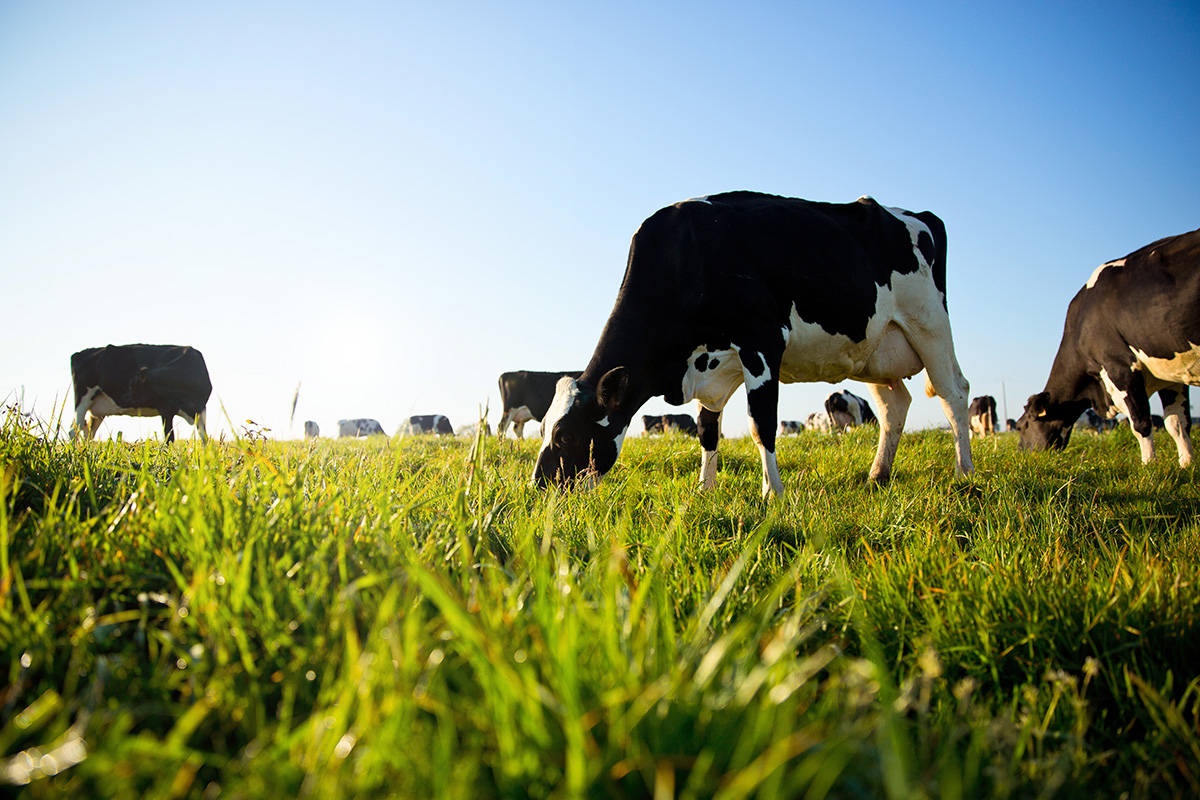
Iowa dairy producers are navigating a shifting marketplace as strong international output pushes global milk supplies higher, according to the October 2026 Ornua Global Dairy Market Report.
Global milk production is forecast to grow 2.2% in 2026 before moderating to 1% growth in 2027. Despite recent drought challenges in Europe, resilient production across key international regions continues to expand overall supplies.
Key global market takeaways
- U.S. expansion holds steady: Domestic milk output rose 1.7% in July and August, supported by higher milk solids. Annual U.S. supply is projected to grow 2.2%, driven by strong beef-crossbreeding prices and expanding processing capacity.
- International record highs: New Zealand output remains at record levels, up 2.4% in volume and 3.4% in solids, aided by favorable pasture conditions. South American producers, particularly Uruguay, where output is up 12% year to date, also report sharp gains.
- European resilience: The European Union’s annual production forecast has been revised upward to 1.9% growth following stronger-than-expected fall production in France and Germany, despite localized summer drought losses in Ireland.
- Pricing and demand pressures: Although skim milk powder and cheese prices rose through September, significant fourth-quarter price surges remain unlikely. Near-term demand growth faces headwinds from inflation, consumer price sensitivity and cooling export demand.
What global trends mean for Iowa dairy producers
As global supplies expand and export demand cools, Iowa dairy operations face important decisions. The Iowa Dairy Industry Report highlights several structural shifts and their potential implications for local operations:
- Capitalizing on regional processing expansion: Major regional investments in cheese processing are part of a reported $13 billion in national processing investment. Iowa has climbed into the top 10 dairy-producing states, with a herd of roughly 245,000 cows. Local producers may be able to use growing processing demand to offset broader global export slowdowns.
- Focusing on component pricing rather than volume: As global markets contend with ample milk supplies and price sensitivity, milk fat and protein increasingly influence revenue. Iowa farms with high-component herds may capture premiums offered by domestic processors.
- Managing margins and input costs: Although softer feed grain prices offer some ration-cost relief, nonfeed costs, including fuel, machinery and milk hauling, remain elevated. With global production increases expected to limit price gains and prices projected around $19.85 to $20 per hundredweight, producers face pressure to manage operating margins.
- Navigating tight heifer supplies: High beef prices continue to encourage beef-on-dairy crossbreeding. Although the practice provides short-term revenue opportunities, national replacement heifer inventories remain tight, making herd retention and culling decisions important for long-term stability.
Looking ahead, the Ornua report notes that weather disruptions, including potential El Niño impacts, could add volatility to supplies in early 2027. Iowa producers can consider risk-management programs, including Dairy Revenue Protection and Dairy Margin Coverage, while optimizing forage strategies to help maintain financial resilience.
Fred Hall is a dairy specialist at Iowa State University.