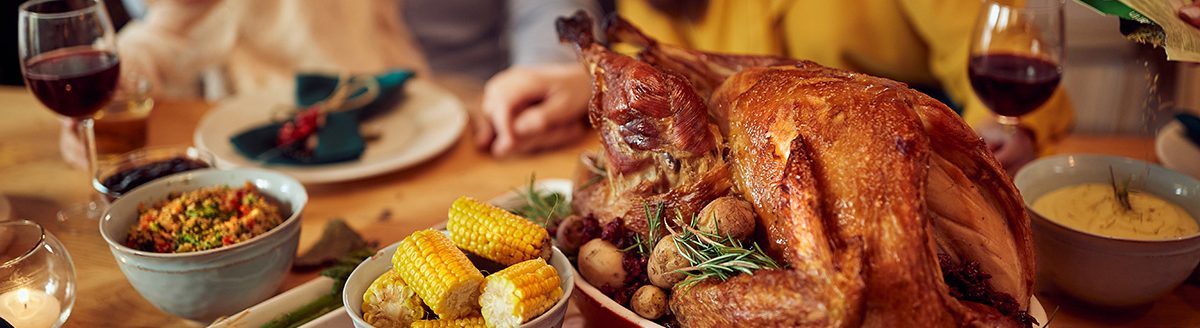
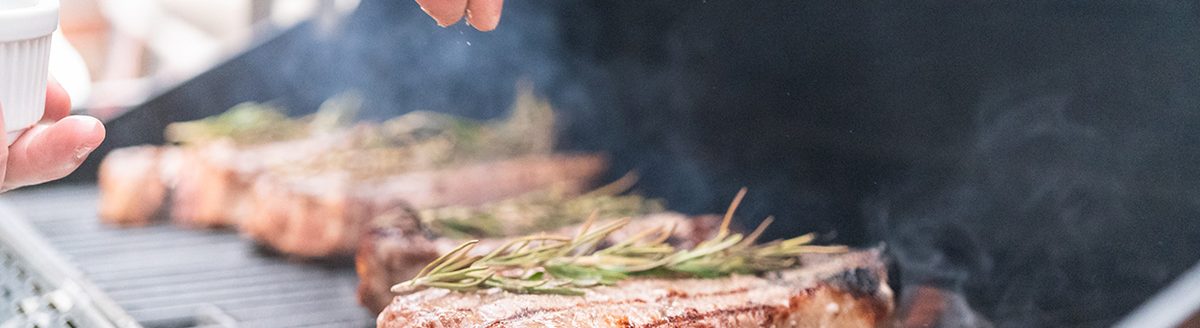
K-State food safety expert shares tips for stress-free Thanksgiving meal
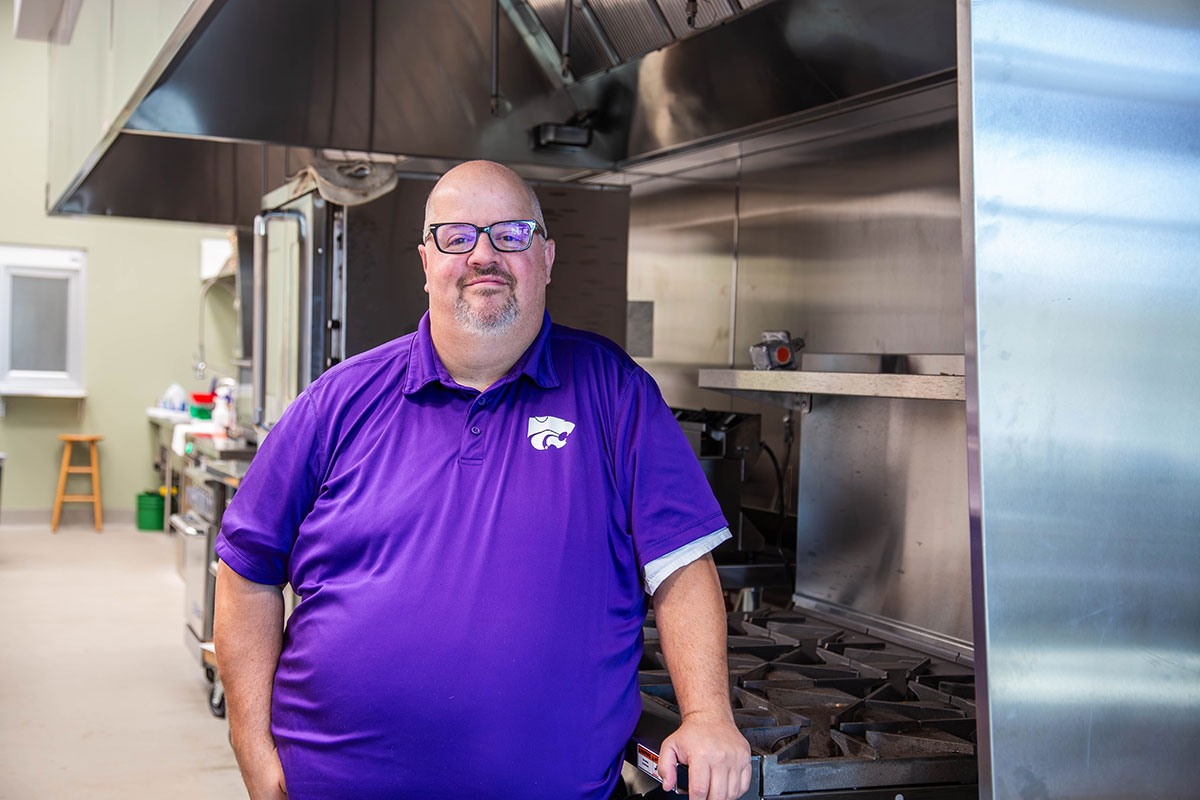
Kansas State University food safety expert Nate Miller says Thanksgiving dinner is one of the year’s biggest culinary events, but preparing a meal for family and friends doesn’t have to be a recipe for stress — or foodborne illness.
He says a little advance planning can save time in the kitchen while helping ensure the holiday meal is safe to eat, and it starts with choosing the right turkey.
“The average grocery store turkey weighs about 14 pounds, which is enough to feed 10 to 12 people,” Miller said.
If the guest list grows, he suggests purchasing a separate turkey breast rather than another whole bird. It takes up less space in the refrigerator and oven, and it cooks more quickly.
Preparing and cooking the turkey
For those buying a frozen turkey, thawing requires some advance preparation.
“Thawing under refrigeration is the safest way,” Miller said. He recommends purchasing and placing the turkey in the refrigerator three to four days before you plan to cook it, allowing enough time for it to thaw safely. In a pinch, place the turkey in a container under cold running water.
Once thawed, the turkey should be patted completely dry before seasoning. Miller recommends seasoning both the exterior and the meat underneath the skin, where salt can help draw out moisture and improve flavor.
After seasoning, Miller trusses the turkey, pulling the legs and wings close to the body. This creates a more uniform shape that helps the bird cook evenly and keeps the wings from receiving excessive heat.
A roasting pan should be large enough to prevent drippings from spilling into the oven.
Miller prefers roasting the turkey without an oven bag so he can baste it periodically. He combines stock and compound butter in a saucepan to create a basting liquid, brushing it over the bird about every 30 minutes.
Food safety is paramount
A meat thermometer is an essential kitchen tool. Although store-bought turkeys often include pop-up thermometers, Miller recommends checking the temperature in three places: the thickest part of the breast and both thighs.
The turkey should reach an internal temperature of 165 degrees Fahrenheit. Miller said carryover cooking can raise the temperature several additional degrees after the bird comes out of the oven.
He also takes a firm position on stuffing.
“To me, there is no debate, because adding stuffing before the turkey is cooked creates too much of a risk,” he said.
Stuffing inside the bird can prevent the area around the rib cage from reaching a safe temperature. Miller recommends cooking dressing separately and adding it to the meal after the turkey is done.
Set a schedule for preparing the meal
Planning the cooking schedule is equally important. Miller starts about a week ahead by determining when dinner will be served and working backward, accounting for cooking time, resting time for the turkey (after cooking), and preparation of side dishes.
He even prepares potatoes several days early, peeling and dicing them into uniform pieces and storing them in water in the refrigerator.
After cooking, the turkey should rest at least 20 minutes before carving. Miller said resting allows the meat to relax and helps produce a juicier result.
Food should not sit at room temperature for more than two hours before being refrigerated, reheated or eaten. That includes all Thanksgiving foods — not just the turkey — which often remain on the table as guests graze throughout the day.
Side dishes offer opportunities to be creative
For side dishes, Miller encourages cooks to experiment. Russet potatoes produce traditional fluffy mashed potatoes, while Yukon Gold or red potatoes offer different textures and flavors. Grated horseradish can add a little kick.
Sweet potatoes pair well with brown butter, while Brussels sprouts can be partially cooked and finished in a hot skillet with bacon, then topped with blue cheese.
Even traditional green bean casserole can benefit from a little creativity, he said.
For leftovers, the two-hour rule applies again. Refrigerate food promptly, prioritizing higher-risk items if refrigerator space is limited.
As for dessert, Miller remains loyal to pumpkin pie, suggesting pumpkin-spice whipped topping or a caramel drizzle for a variation on the traditional favorite.
Plan, plan, plan
Ultimately, his advice is simple: Plan ahead, use a thermometer and keep food safety in mind.
A little preparation can help make Thanksgiving more enjoyable — leaving families with more time to enjoy the meal and less time worrying about what’s happening in the kitchen.
PHOTO: K-State food safety expert Nate Miller urges consumers to make a plan ahead of Thanksgiving to help assure that the feast is safe and stress-free. (Kansas State University Division of Communications and Marketing)