Sec. Rollins unveils ‘One Farmer, One File’ initiative at Commodity Classic
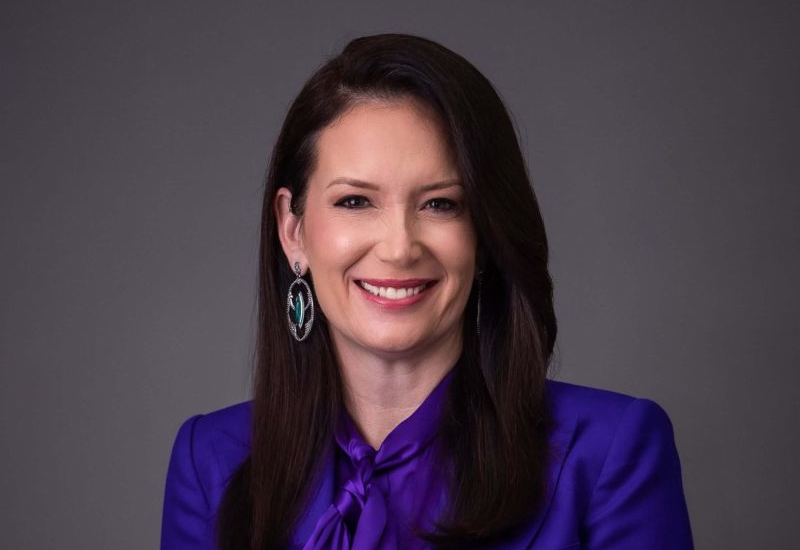
Secretary of Agriculture Brooke Rollins attended the 30th Commodity Classic in San Antonio, Texas, spoke about a new initiative through the U.S. Department of Agriculture called “One Farmer, One File,” which is designed to restructure and improve efficiency within USDA and agriculture. She said USDA’s objective is to provide a single, streamlined record that follows the farmer through the USDA system.
“Every single day at USDA, our focus is on making life easier, more profitable and more rewarding for the American farmer,” Rollins said. “Our government for the people by the people should be modern, efficient, and respect taxpayer dollars. This modernization of old, duplicative, wasteful systems has one goal in mind, improve our customer service so the people we serve are able to farm and feed America and the world. ‘One Farmer, One File’ prevents our farmers from duplicating tasks while increases their productivity and time in the field.”
During her speech, Rollins said the USDA has historically managed over 500 custom-built systems and databases involving more than 1,000 contractors, costing taxpayers over $1 billion annually. A past audit showed that previous upgrade attempts delivered only 15% of promised improvements while exceeding $500 million in budgets.
According to a USDA press release, the “One Farmer, One File” initiative is part of a broad modernization effort to unify all Farm Service Agency, Natural Resources Conservation Service and Risk Management Agency systems. The plan will retire legacy systems and remove agency silos, according to the release. USDA began working on this system in 2025 and plans to increase efforts in 2026. The agency expects to complete the project in 2028.
The first live test for the new system is the Farmer Bridge Assistance Program, an $11 billion federal aid initiative. Rollins said more than 35,000 producers have signed up online within the first few days of the program opening this week, a stunning response. This digital adoption rate is 50 times higher than previous programs, and the digital signup sped up the processing of payments with some producers receiving funds within days of signing up.
To accommodate all ages and technology preferences, USDA has stated FSA offices will remain open and the new initiative is voluntary rather than a mandate. Producers who are more comfortable with in-person assistance or prefer traditional paper forms will continue to have those services available.
Response from agriculture
Most agricultural groups welcome the changes and look forward to a simplified system within USDA. The American Soybean Association commended the USDA’s plan, which provides a digital avenue for producers to access their files.
“ASA applauds Sec. Rollins for the rollout of the ‘One Farmer, One File’ Initiative at our 30th annual Commodity Classic,” said ASA Vice President Dave Walton. “Farmers rely on USDA’s support and technical assistance more than ever, but we also know firsthand how time-consuming paperwork and duplicative reporting requirements can be. The efficiencies implemented through this initiative will help reduce that burden and save precious time that can be spent in the field.”
American Farm Bureau Federation President Zippy Duvall agreed.
“At a time when farmers are facing a tough farm economy and rising pressures, we all count on USDA to deliver the programs and support that will keep our farms moving forward,” Duvall said. “Farmers and ranchers need to make every dollar and every minute count on the farm, and having an easier system to navigate USDA programs will free up farmers for the work of growing our nation’s food, fiber and fuel.”
The National Association of Wheat Growers applauded the time saving this modernized system will provide for USDA employees and producers.
“Farmers run complex family businesses and time is one the most precious commodities on their farm. USDA’s effort to create a single, streamlined record is welcome news that will save farmers time, better inform business decisions, and hopefully improve program delivery,” said NAWG CEO Sam Kieffer.
Lacey Vilhauer can be reached at 620-227-1871 or [email protected].