Farm, Food, and National Security Act of 2026 passes out of committee
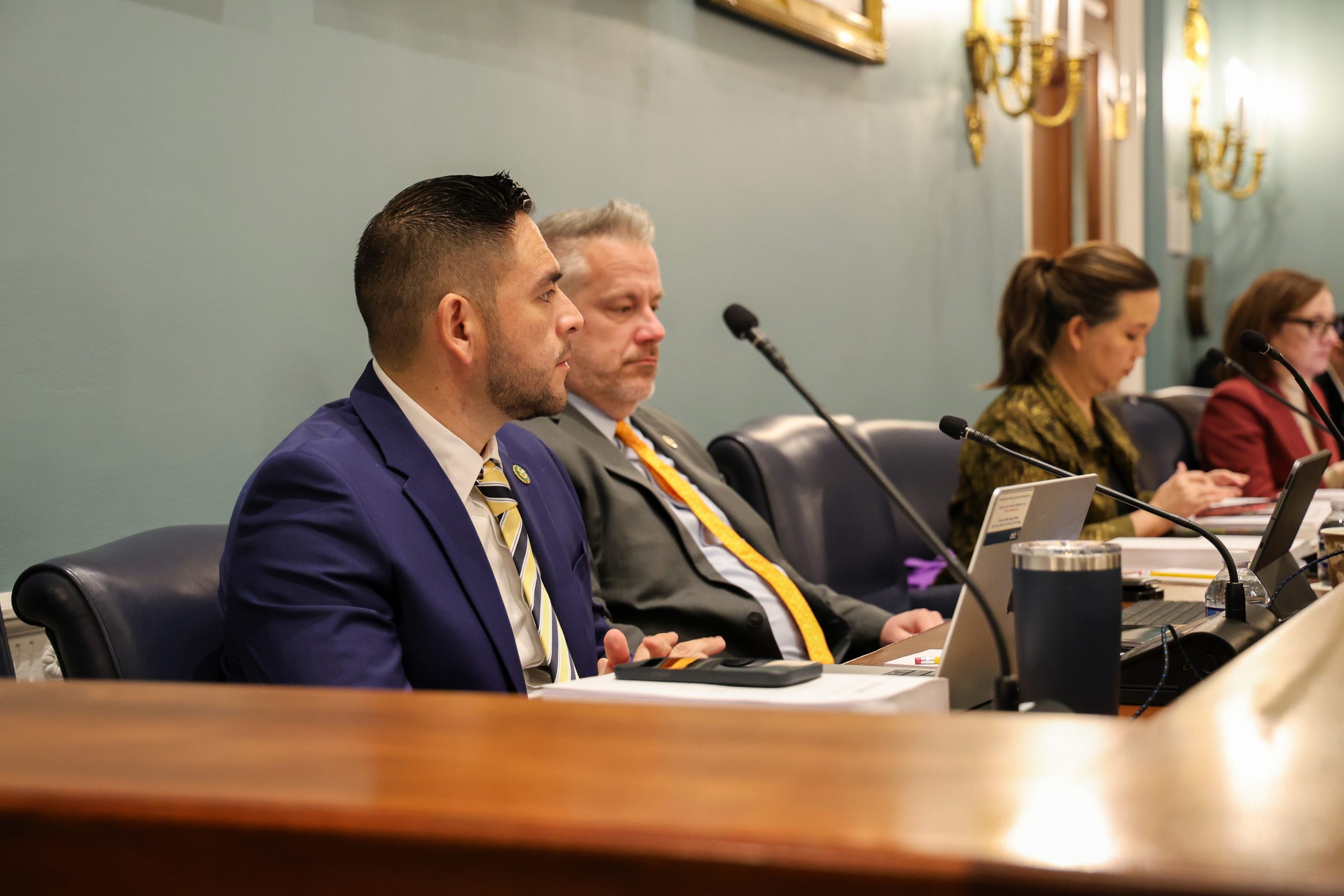
House Committee on Agriculture Chairman Glenn “GT” Thompson, PA-15, announced March 5 the Farm, Food, and National Security Act of 2026 has passed out of committee. The bill was discussed March 3 and a vote occurred March 4.
“I am proud of this bill, as well as the work that’s been done to improve it during the last two days,” Thompson said.
The markup lasted more than 20 hours, and he believes the legislation reflects the will of the committee, he said.
“It is filled with bipartisan provisions that will move the needle for farmers, ranchers, and rural Americans across the country,” he said. “Throughout this markup, it became clearer than ever before that our country needs a new farm bill, and we don’t need it next year, or next Congress. We need it now.”
Many agricultural organizations and associations issued statements following the passage out of the House.
The National Cattlemen’s Beef Association issued a statement supporting the passage March 5 and hopes the process will strengthen provisions providing certainty to farmers and ranchers across the country. NCBA Senior Vice President of Government Affairs Ethan Lane, said in a news release, provisions included in the Farm Bill 2.0 build upon legislative successes.
“This legislation finally completes the farm bill cycle and gives producers the operational tools and programmatic investments they need,” Lane said. “NCBA thanks Chairman Thompson and House Agriculture Committee members for passing this crucial legislation for rural America.”
The National Association of Wheat Growers applauded the passage out of the House in a statement. NAWG President and Idaho farmer Jamie Kress appreciated the leadership of Chairman Thompson.
“Wheat farmers continue to face rising supply costs, low commodity prices, and uncertainty in global markets,” he said. “We applaud the committee’s work and bipartisan support to provide much-needed certainty.”
NAWG recognizes the work on the farm bill has just begun for Congress and encourages lawmakers to support its passage.
“By advancing this legislation, Congress can address key priorities for wheat farmers including modernizing the Farm Credit title, permanently transferring Food for Peace to USDA, strengthening trade promotion programs, reauthorizing CRP, and ensuring science-based labeling for crop protection tools,” Kress said. “These provisions matter to farmers across the country, and we look forward to working together with the House and Senate to get them across the finish line.”
The National Pork Producers Council also praised the passage of the farm bill. Legislation should help pork producers facing an imminent patchwork of state animal housing laws spurred by California Proposition 12, a state law that puts small farmers on the chopping block, increases the risk of industry consolidation, and undermines states’ rights.
Duane Stateler, NPPC president and pork producer from McComb, Ohio is grateful for Chairman Thompson’s commitment to providing relief from state laws outside of borders, according to a news release.
“Pork producers of all shapes and sizes need this regulatory relief,” he said. “Now, it is up to the full House of Representatives to finish the job: pass this farm bill and give agricultural producers across the country true freedom to farm.”
The National Sorghum Producers also applauded the House committee for advancing Farm Bill 2.0 and sees it as an important step forward in reauthorizing the nation’s farm bill.
NSP Chair and farmer from Scott City, Kansas, Amy France said the bill reauthorizes critical farm programs sorghum growers depend on to manage risk and remain competitive.
“A strong farm bill is essential not only for maintaining a strong American agricultural economy but also for ensuring our nation’s food security,” she said.
The legislation builds on improvements enacted in the One Big Beautiful Bill Act and includes provisions important to sorghum growers such as updates to agricultural credit programs, continued investment in research and market development and the permanent transfer of Food for Peace to the U.S. Department of Agriculture.
NSP thanked members of the committee for advancing the legislation and urged Congress to continue working in a bipartisan manner to move a farm bill forward.
“Sorghum growers are facing rising input costs and continued market uncertainty,” France said. “Moving a strong, bipartisan farm bill forward will help ensure producers have the certainty and tools they need to remain competitive.”
The National Milk Producers Federation thanked members of the House Agriculture Committee for advancing a farm bill in Congress, noting the bipartisan approval of a plan contains provisions important to dairy farmers and their cooperatives. Gregg Doud, president and CEO of NMPF, said in a news release the bill includes key provisions tha support and strengthen the dairy industry.
“We stand ready to work with members of both the House and Senate on a bipartisan basis to pass a farm bill this year that will provide critical support for dairy farmers and their cooperatives,” Doud said.
Key dairy provisions that NMPF advocated for include: Authorizing long-term dairy product processing cost surveys; Extending the Dairy Forward Pricing Program, the Dairy Indemnity Program, and the Dairy Promotion and Research Program; Supporting voluntary, producer-led conservation programs; Establishing a long-term policy directive for the U.S. government to proactively negotiate protections for common cheese names like “parmesan” and “feta,” as championed by NMPF; Moving Food for Peace program administration to USDA and continuing $200 million in annual funding for Ready-to-Use Therapeutic Foods that incorporate milk powder to treat chronic malnutrition globally; and others.
Kylene Scott can be reached at 620-227-1804 or [email protected].