
Breaking down the breed: Barred Rock
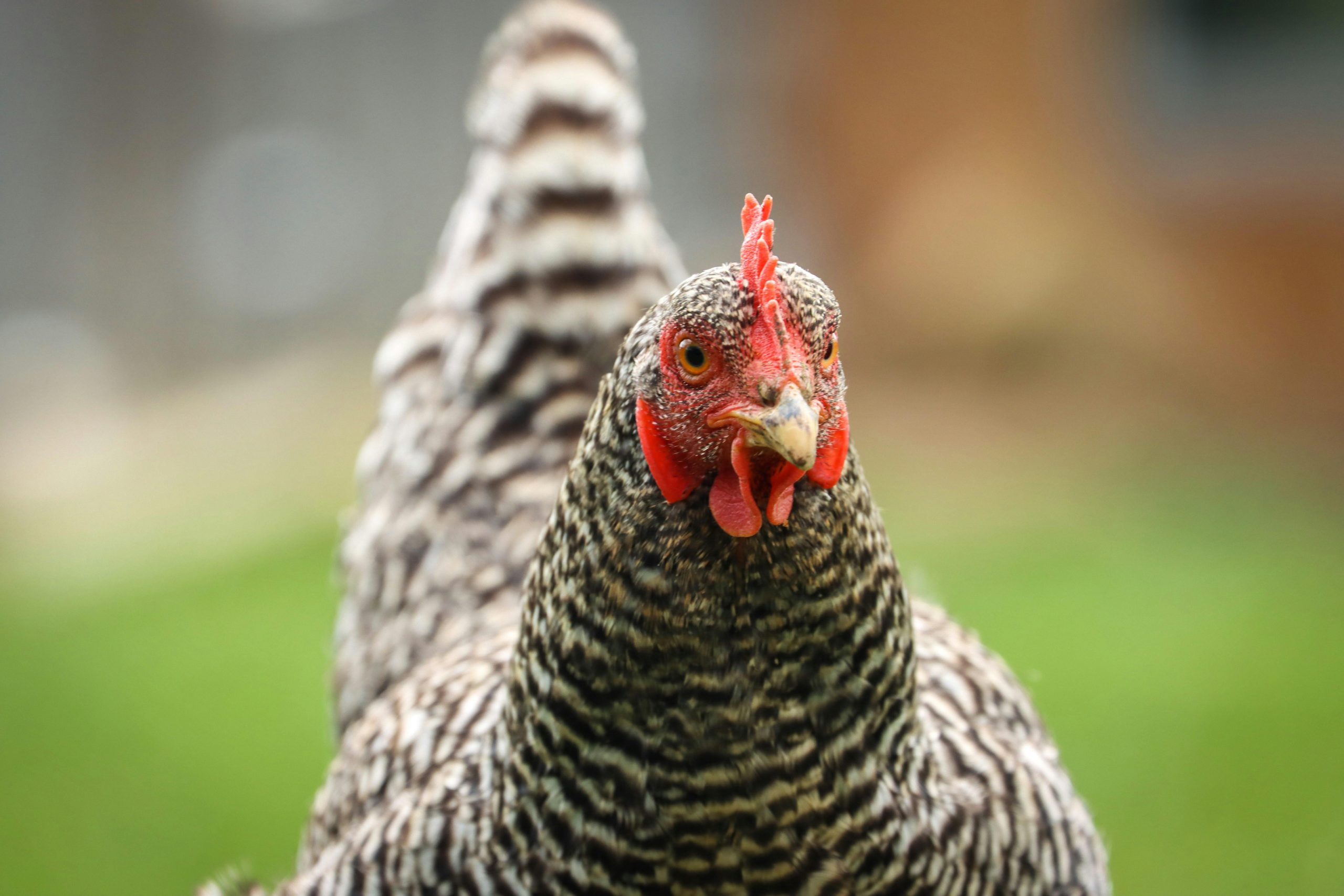
The Barred Rock, also known as the Barred Plymouth Rock, is an excellent choice for any new chicken owner because it is a hardy breed known for its friendliness and dual-purpose in egg laying and meat production. They are a common variety found in farm stores as live chicks because they are populous and easily adaptable.
The Barred Rock originated in New England in the early 1800s and was developed by crossbreeding Dominiques and Black Java chickens. The first Barred Rocks in the United States were seen in Massachusetts and eventually they became one of the most popular chickens in the country.
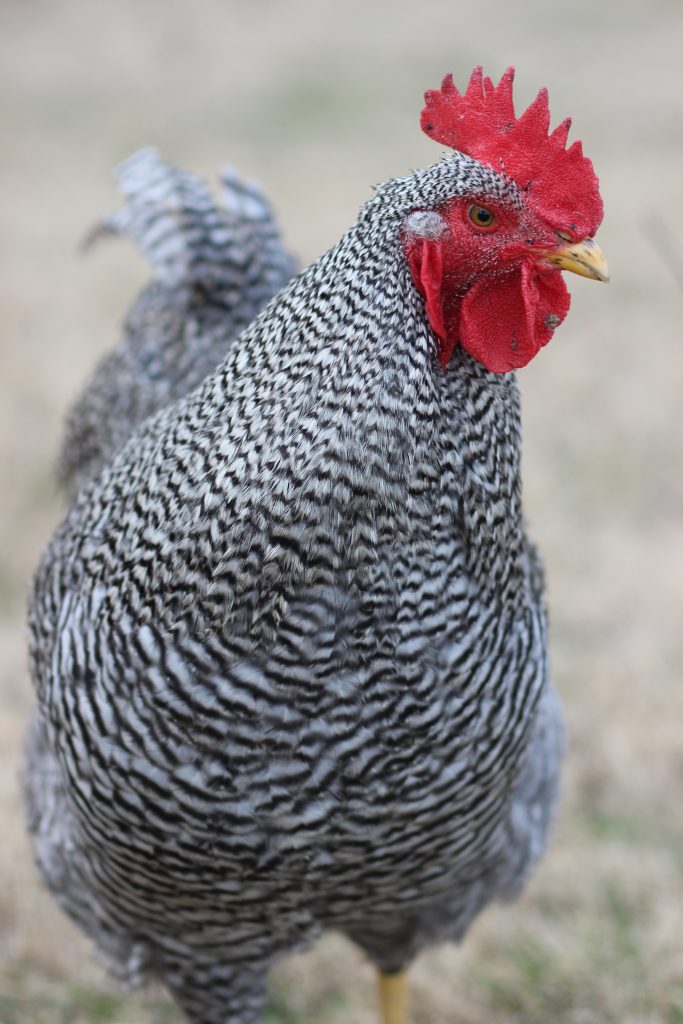
The Barred Rock’s coloring is a black and white striped or “barred” plumage. This coloring is commonly used in depictions of art and décor featuring chickens and is commonly associated with chickens in general. Other characteristics include a single red comb, wattles, and earlobes, with a yellow beak and legs. The legs are featherless.
These birds are often confused with the Dominique breed because their coloring is almost identical. However, they do differ in comb size and shape, as well as temperament. The Barred Rock has a single, straight comb with five points, while the Dominique has a squished, flat rose comb. The Barred Rock is also more outgoing and affable in comparison to the Dominique.
Interestingly, the Barred Rock is actually not a breed, but rather a popular variety within the Plymouth Rock heritage breed. Because the Barred Rock was the first variety within the Plymouth Rock breed and became so widespread, it is often thought of as its own breed. Other varieties include Buff, Partridge, Silver Penciled, Blue, Columbian, and White.
Barred Rock hens are excellent layers, producing between 200 to 280 large brown eggs per year, but this variety also produces high-quality meat when butchered. Roosters can grow to 9 to 10 pounds, and hens reach around 7 to 8 pounds. These birds are cold hardy for northern climates but also do well in the heat as long as they are provided with a shady place to cool off in the summer.
They can adapt to free-range or a coop with a run, and their life expectancy is around six to eight years. Barred Rocks earned the nickname, “the Hereford of the poultry world” because they are so versatile, easy to own and their approachable demeaner make them an ideal pet for the backyard bird owner. Consider the Barred Rock the Labrador of chicken breeds.
A Barred Rock is a perfect addition to any flock for their calm presence that won’t upset the pecking order; their plentiful egg supply; beautiful plumage and coloring; and they are always the first birds to meet come running when their owner is in sight. They really are the happiest birds and make chicken keeping fun.
Lacey Vilhauer can be reached at 620-227-1871 or [email protected].
TOP PHOTO: (Photo by Sherry via Pexels.)



