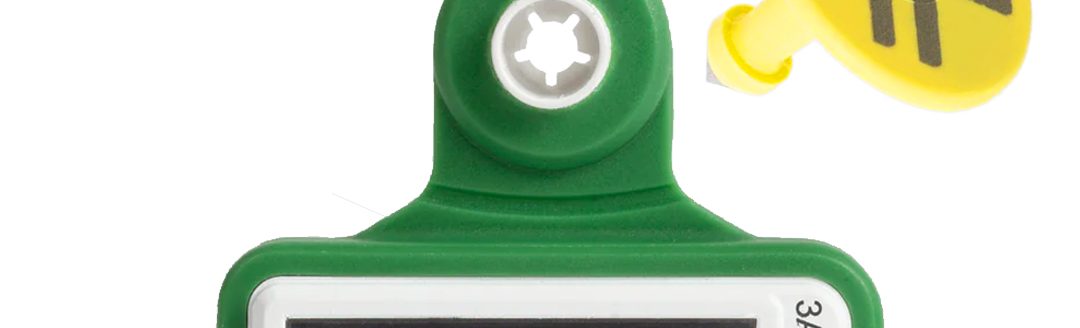
Halter uses satellite technology for virtual fencing
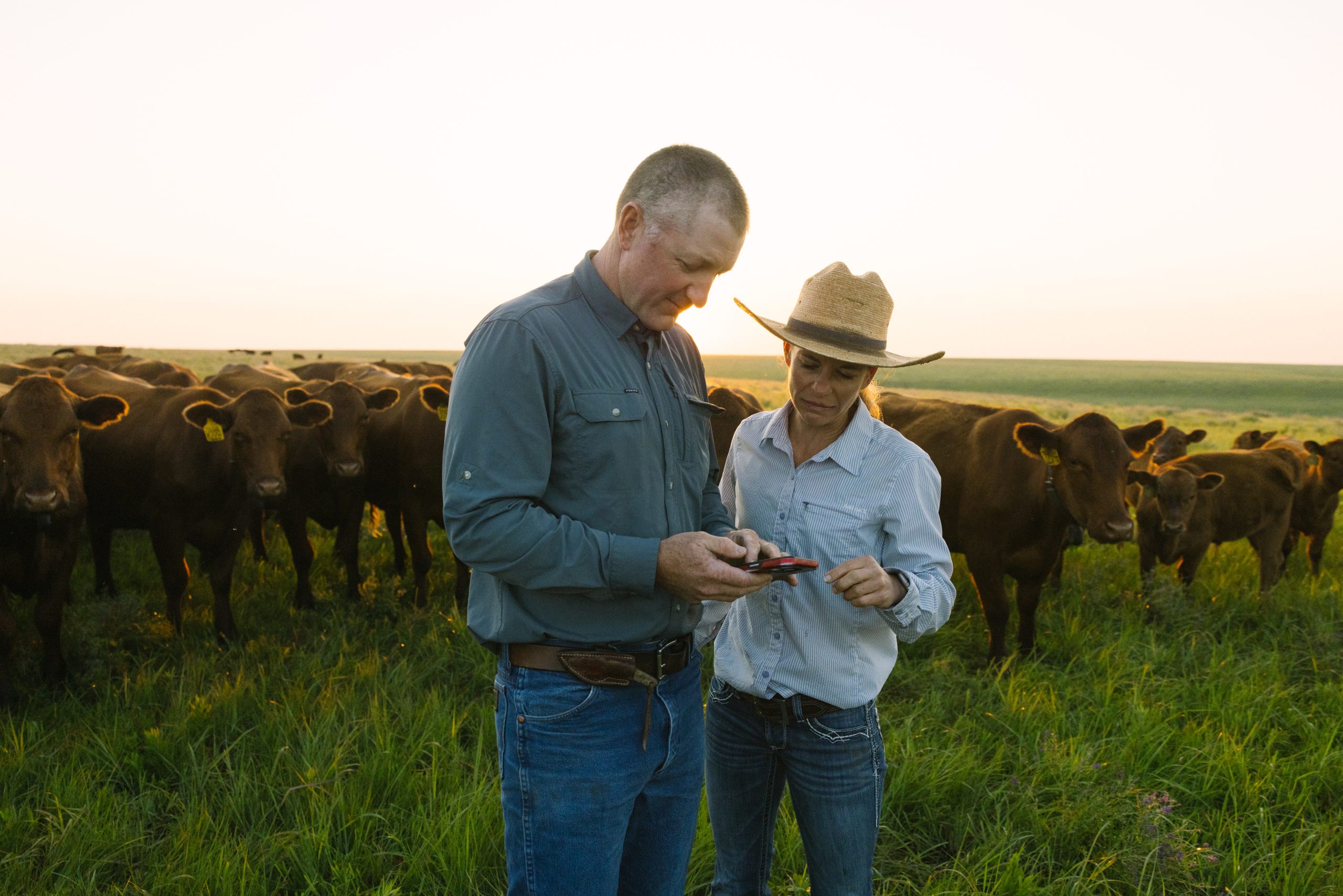
Halter, Boulder, Colorado, a digital operating system for pasture-based ranches, today announced the launch of direct-to-satellite connectivity for its smart cattle collars, removing the need for cell towers or on-ranch infrastructure.
Using Starlink, the new technology enables ranchers to manage cattle anywhere they can see the sky. Combined with a suite of new tools for reproduction, animal behavior and precision pasture management, the release expands what is possible for cattle ranch management.
Beef ranchers in remote and rugged regions that were limited by connectivity can now turn to virtual fencing to run more productive and sustainable operations at a time when they face rising fuel costs, labor shortages and aging workforce pressures. Halter’s internal modeling estimates direct-to-satellite capability expands coverage of the U.S. beef cattle market by 2.5 times.
Until now, Halter’s solar-powered, GPS-enabled collars relied on Halter’s proprietary long-range radio towers. With direct-to-satellite, the collars can communicate via Starlink, eliminating ground infrastructure entirely.
“Connectivity has been the final barrier to bringing virtual fencing across remote and expansive ranches,” said Craig Piggott, CEO and founder of Halter. “Direct-to-satellite allows ranchers to manage hundreds of thousands of acres in the most remote terrain on the planet. Combined with our new suite of product features, these ranchers can be even more productive.”

Lloyd Calvert, livestock and agriculture manager at High Lonesome Ranch in western Colorado, has been among the first to deploy the satellite-enabled system across the ranch’s 225,000 acres of complex terrain.
“Halter has changed the game completely,” Calvert said. “Satellite unlocks the ability to run very remote country while still seeing what the cattle are doing, without needing someone with them all the time. We call ourselves Halter junkies now because we can check to see where the cows are any time of day, no matter where I am. It gives me a great deal of assurance and that’s irreplaceable.
Alongside the launch, Halter has rolled out its largest-ever product upgrade for beef cattle ranchers. The update includes an all-in-one heat detection tool to identify non-cycling animals before breeding, a new behavior tool providing near real-time insight into how feed allocation and pasture quality are influencing cattle performance and advanced grazing features including high-resolution pasture mapping, pasture metrics, zone and block management and a feed demand calculator. Halter’s direct-to-satellite will be available to beef operations in the United States and New Zealand, with availability in Australia and Canada coming soon. Interested ranchers can learn more at halterhq.com/beef.