
Celebrating Oklahoma Centennial Farms and Ranches
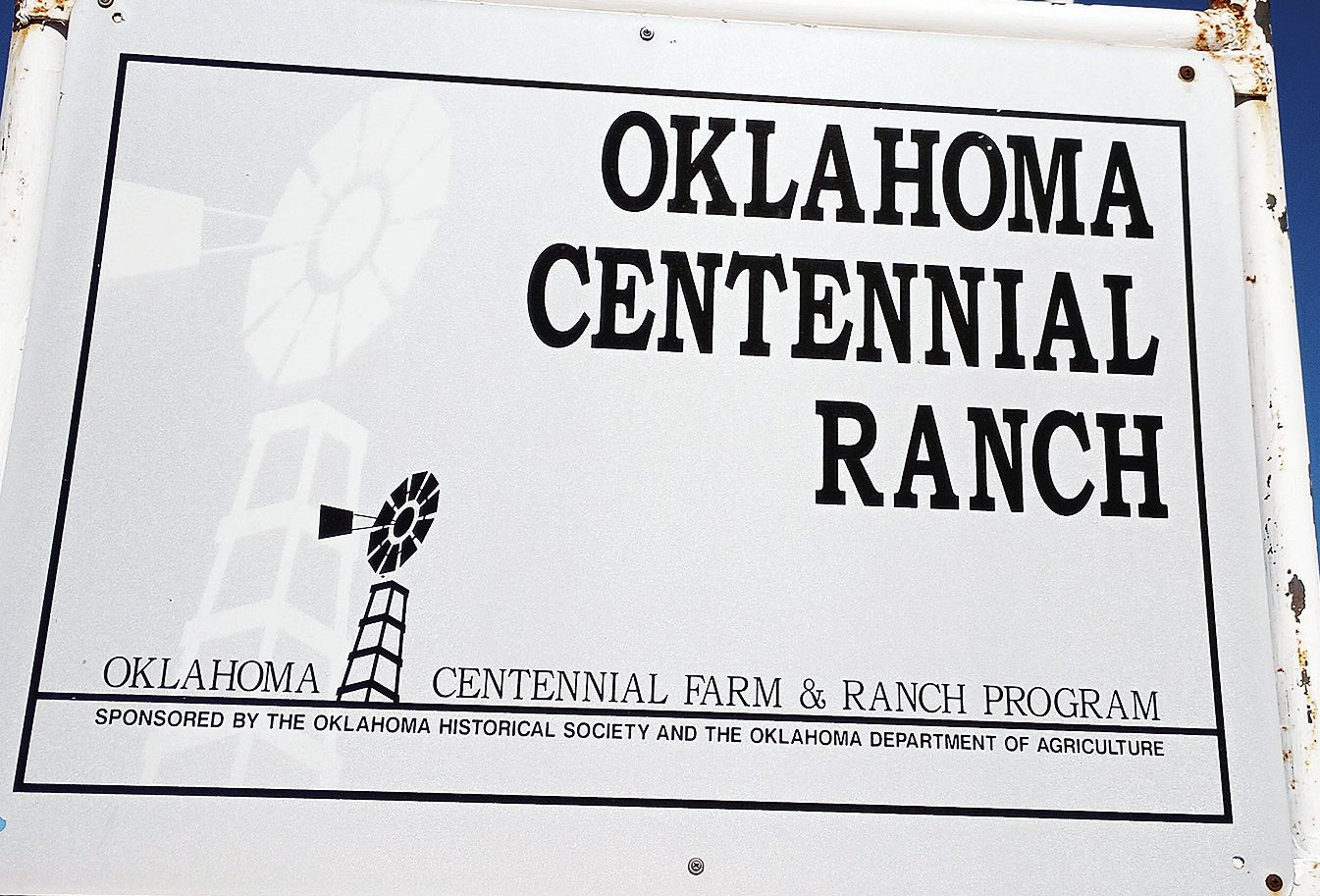
In Oklahoma, the word “ancient” carries a different meaning than it does in places like Virginia or Massachusetts. Oklahoma has been a state for just 118 years. By comparison, the first American colonies date back to 1607, and the nation itself was founded in 1776. Many historic landmarks in other states are two or three times older than Oklahoma itself.
That shorter timeline doesn’t mean a lack of history. If anything, it highlights how much has happened here in a relatively brief period. Oklahomans have built deep roots, particularly in agriculture, and they continue to recognize and preserve that legacy.
One example is the Oklahoma Centennial Farm & Ranch Program, established in 1989 by the Oklahoma Historical Society and the Oklahoma Department of Agriculture. The program honors families who have continuously farmed or ranched the same land for at least 100 years.
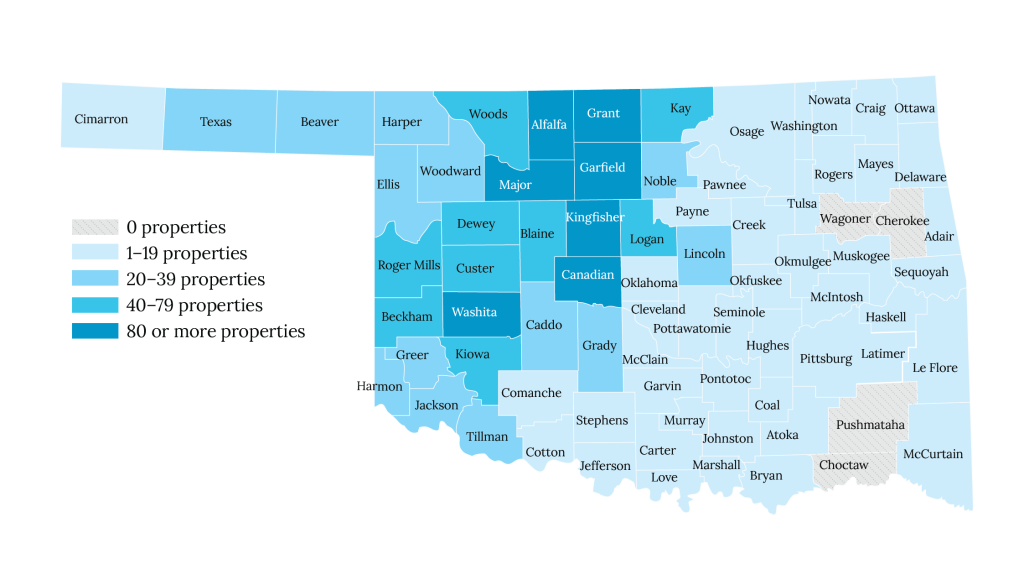
Since its creation, more than 1,900 families have been recognized. The program also includes historic structure awards for properties with at least four buildings more than 50 years old, helping identify sites eligible for the National Register of Historic Places. To qualify, farms or ranches must include at least 40 acres, generate a minimum of $1,000 in annual sales, and remain under continuous family operation, residence or lease.
Driving past a centennial farm or ranch sign on an Oklahoma backroad prompts reflection. It’s hard not to wonder what those early landowners envisioned—whether they staked their claim during one of the famous land runs or purchased property in the early 1900s. Could they have imagined their operation lasting a century, still in the hands of their descendants?
Reaching that milestone has not been easy. Oklahoma farm families have endured the Dust Bowl, the 1980s farm crisis and ongoing economic challenges even today. One thing’s for sure, good decision-making, mental fortitude, and a love for agriculture runs in the genes of centennial farm families, because it takes multiple generations to keep these operations in business.
Centennial farms represent more than longevity. They reflect continuity, adaptation and a connection to the land that has persisted through uncertainty. Oklahoma may be young compared to other states, but its agricultural heritage runs deep—and it continues to grow.
To learn more about the Oklahoma Centennial Farm & Ranch Program, visit www.okhistory.org/shpo/farmandranch.
Lacey Vilhauer can be reached at 620-227-1871 or [email protected].



