Common tomato plant problems and how to fix them
Leaves or fruit damaged? What it means and what to do
Tomato plants are popular in home gardens, but problems can appear quickly and be hard to diagnose.
Leaves may curl, turn yellow, twist or become spotted, and fruit can become damaged. While the symptoms may look alarming, most tomato problems stem from a few common causes: nutrition, environmental stress, pests, diseases or herbicide exposure, according to a Texas A&M AgriLife Extension Service expert.
Joe Masabni, Ph.D., AgriLife Extension vegetable specialist and professor in the Texas A&M Department of Horticultural Sciences, said identifying the cause early helps to protect plant and fruit health.
Yellow leaves on tomato plants: often a nutrient issue
Tomatoes are heavy feeders and require regular fertilization throughout the growing season. Side dress plants with fertilizer every three to four weeks to meet their nutrient demands.
Masabni said common nutrient issues include:
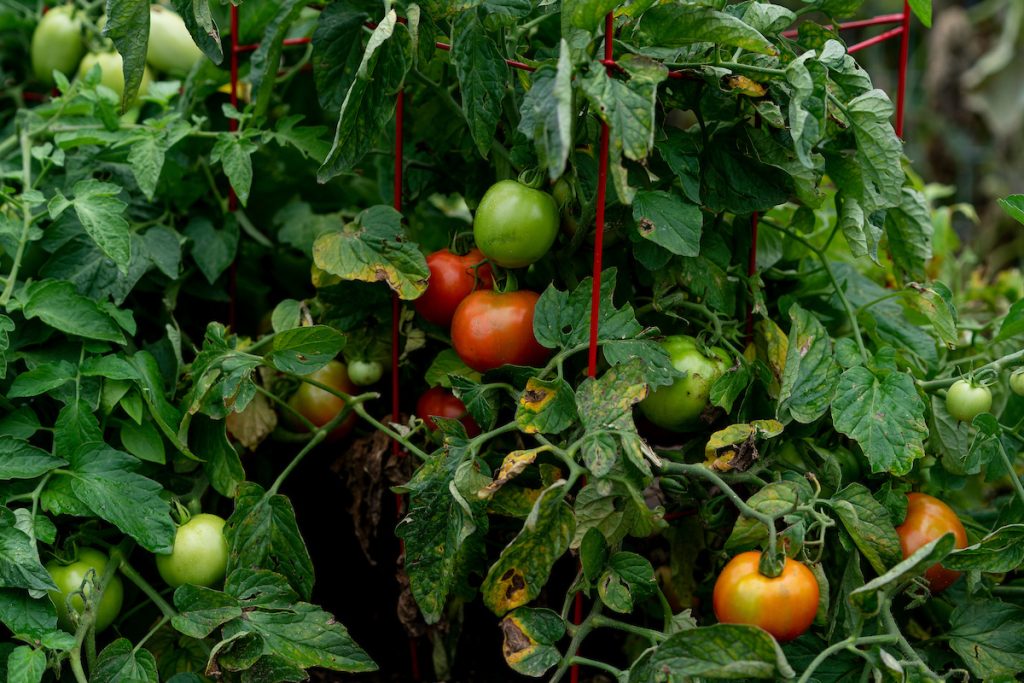
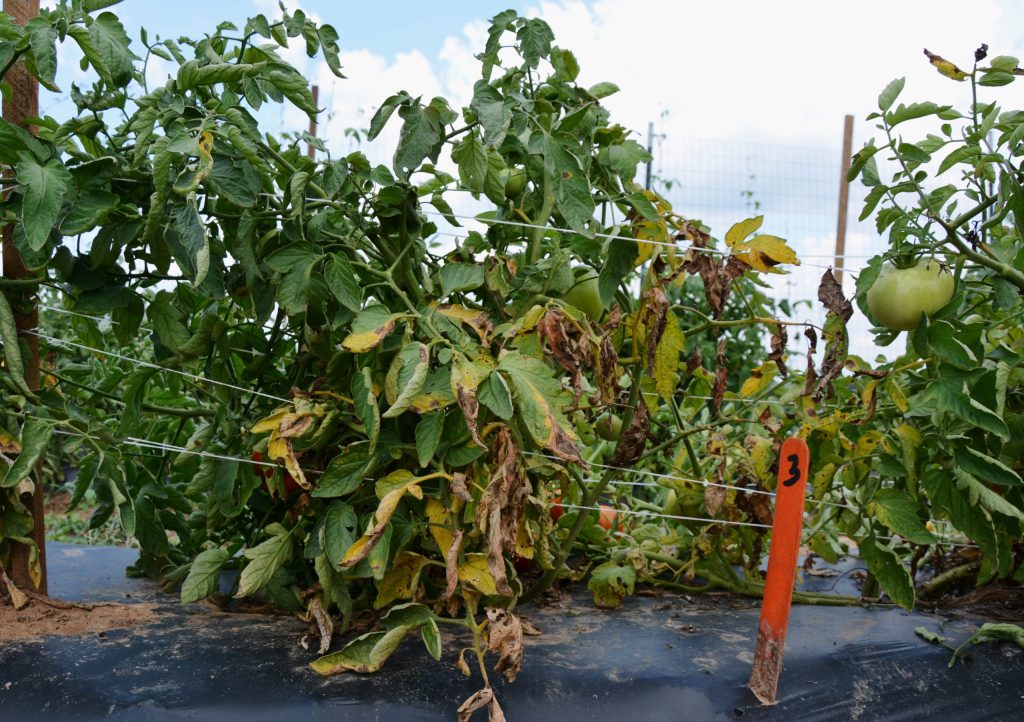
- Nitrogen deficiency causes older leaves to turn yellow and die.
- Iron deficiency causes yellowing in younger leaves.
- Magnesium deficiency often appears as speckled or spotted yellowing on older leaves.
How to prevent or cure nutrient deficiencies
Fertilize regularly with a balanced fertilizer and monitor soil moisture. Inconsistent watering can worsen these issues by limiting the plant’s ability to absorb nutrients. A simple finger test — checking moisture a few inches below the surface — can help guide watering decisions.
Leaf curling: usually caused by heat and water stress
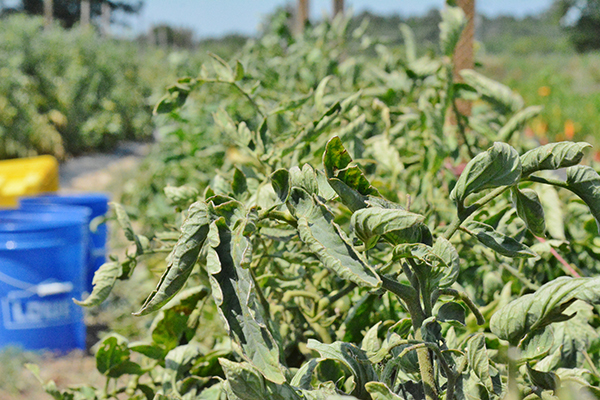
Leaf curling is often caused by environmental stress, not disease. While curling leaves may not cause permanent damage, Masabni said prolonged stress can reduce fruit production.
Leaf curling is commonly caused by:
- High temperatures.
- Irregular watering.
- Wind or physical stress.
How to reduce environmental stress effects
Water consistently and apply mulch to regulate soil temperature. Also, avoid overreacting to temporary plant stress during extreme weather.
Accidental herbicide damage
Curling or cupped leaves can also be a sign of herbicide damage. Tomatoes are highly sensitive to herbicides, even in small amounts.
Damage can occur from:
- Spray drift from nearby applications in lawns or pastures.
- Vapor movement under certain weather conditions.
- Residue remaining in compost or manure.
How to prevent it
Use caution when applying weed killers near vegetable gardens. In addition, carefully consider the source before using compost or manure that may be contaminated with herbicides in vegetable beds.
Other causes of leaf or fruit damage: pests and diseases
Texas heat and humidity create ideal conditions for fungal diseases and insect pests.
Some pests and diseases and what to watch out for include:
- Tomato hornworms can strip leaves overnight.
- Leaf-footed bugs cause hardened, speckled fruit.
- Broad mites, which are microscopic, distort new growth and cause leaves to curl or twist.
- Fungal diseases, like early blight and powdery mildew, usually start on lower leaves. They cause yellowing that gradually spreads upward through the plant.
- Viruses, such as tomato yellow leaf curl virus, are often spread by insects like whiteflies. They can cause both yellowing and curling.
How to control pests and prevent diseases
Remove damaged leaves quickly and use preventative fungicide treatments during humid periods before diseases become established. Neem oil, spinosad or insecticidal soap are popular options to deal with mites, whiteflies and other common garden pests.
Take early action to avoid tomato losses
In many cases, Masabni said, identifying and addressing the problem early can help prevent serious damage.
“The good news is that most tomato problems are manageable with proper care, regular monitoring and quick action when symptoms first appear,” he said.
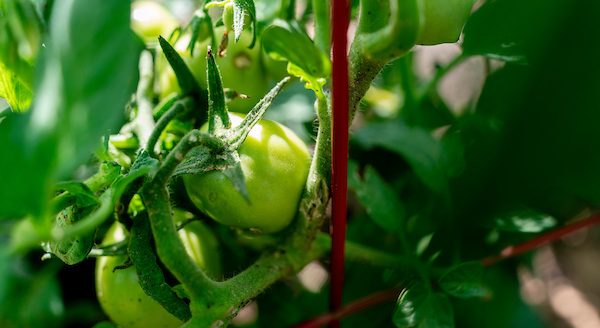
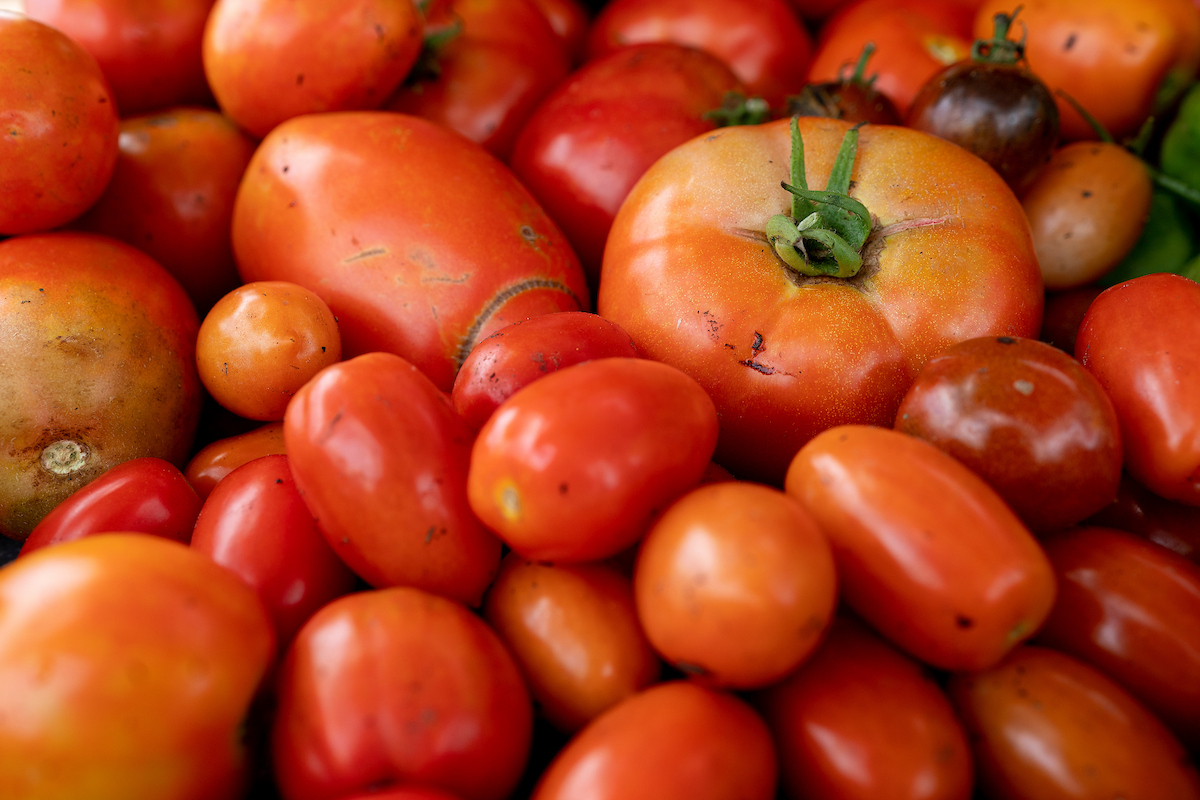
TOP PHOTO: Keeping tomato plants properly fed, watered and protected from pests and diseases can lead to a bountiful harvest for home gardeners. (Laura McKenzie/Texas A&M AgriLife)