
Life lessons from summers as a scale house girl
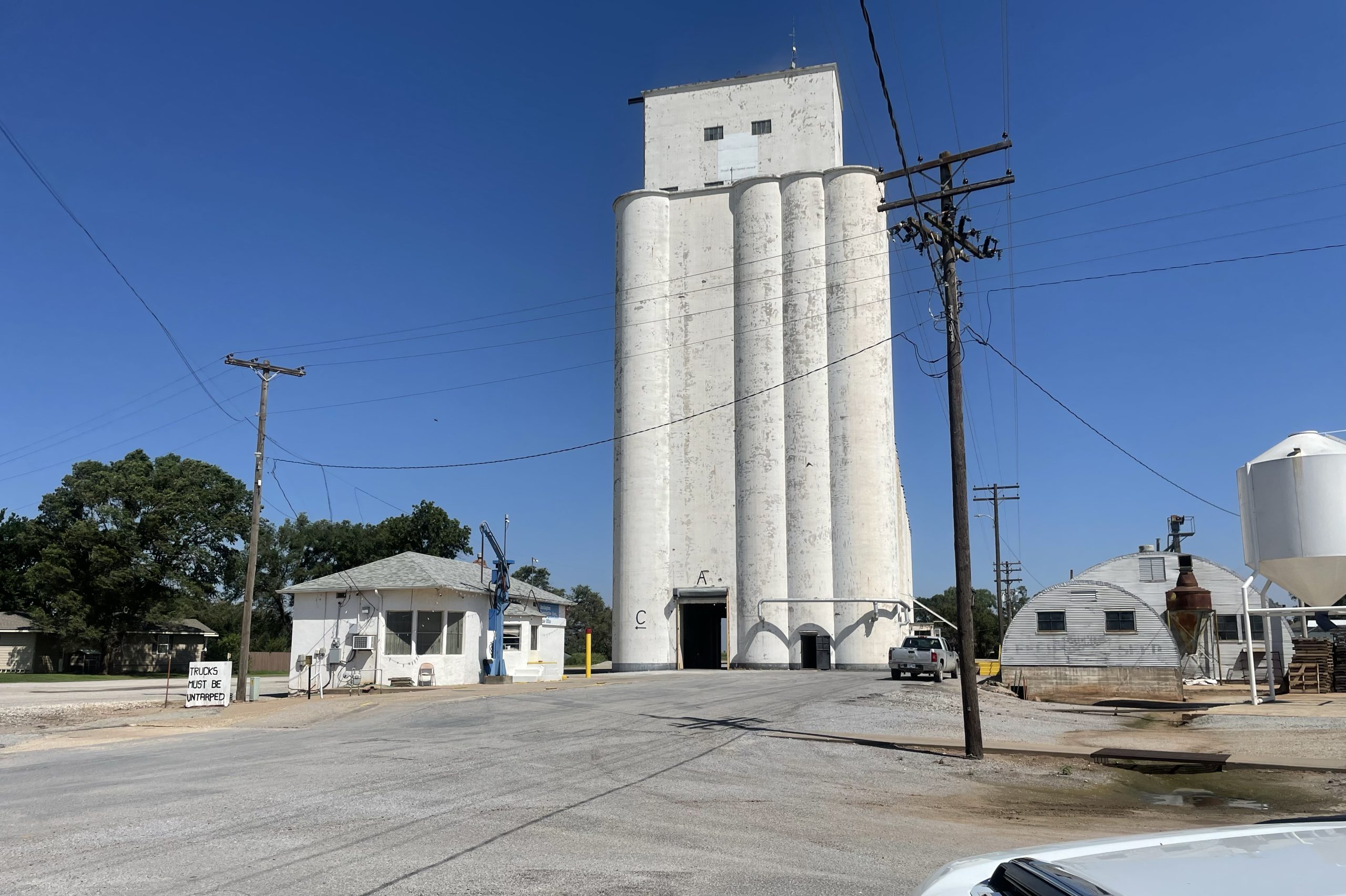
This is a photo of the scale house at the Burlington Cooperative where I worked as a teenager. (Courtesy photo.)
Everyone remembers his or her first job. For some, it is flipping burgers at Dairy Queen or bagging groceries at the local supermarket. One of my first jobs was working in the scale house at our local cooperative for several summers during wheat harvest.
My responsibilities included running moisture tests on wheat samples collected in Folgers coffee cans, weighing trucks, probing grain loads for samples, measuring test weight and dockages, and delivering grain tickets to drivers waiting outside.
Most of the seasonal help in the scale house consisted of teenage girls, and around the elevator we were known simply as “the scale house girls.” Decades later, many of us still use the nickname when we talk about those harvest seasons and the friendships formed or deepened during those summers.
At the time, I did not think it was an especially great job. The smell of sour wheat while cleaning out grain elevators could turn almost anyone’s stomach. It certainly was not glamorous. Looking back, however, I realize it was nearly the perfect summer job for a teenager.
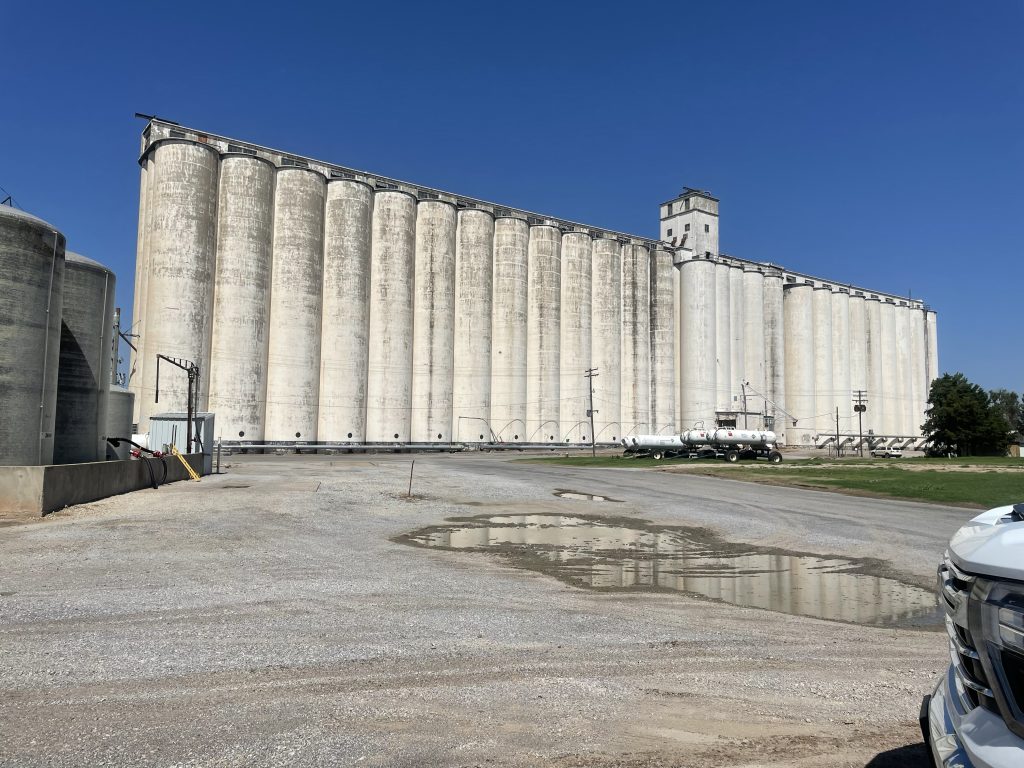
The work was temporary, typically lasting from late May through early July. Most of the shift was spent indoors with air conditioning, and during harvest there were plenty of opportunities to earn overtime. The long days and late nights that accompany wheat harvest often meant time-and-a-half pay for several weeks.
Compared with a traditional summer job at a restaurant or grocery store, harvest help in the scale house could earn significantly more money in a much shorter period. By the time harvest wrapped up, many of us had earned what might have taken an entire summer elsewhere. Better yet, the work commitment ended when the wheat was cut, leaving the rest of the summer open for travel, camps, sports or simply enjoying a break before school resumed.
Beyond the paycheck, the scale house taught lessons that have stayed with me for years. I learned the importance of showing up on time, bringing my lunch, working with a team, and handling responsibility. I learned the basics of grain quality, including moisture levels, dockage and test weights. I also learned how to operate equipment, solve problems and work long hours on very little sleep.
For a small-town teenager, the scale house also offered an unexpected window into the world. Although the cooperative was in my hometown, I met people from far beyond our community. Visiting with H-2A workers who traveled with custom harvesting crews were one of the most memorable parts of the experience. Hearing Australian and South African accents in a small Oklahoma town was a reminder that agriculture connects people across continents.
At the time, I saw the scale house as little more than a summer job. Years later, I appreciate it for what it really was: an opportunity to earn good money, gain practical skills and learn lessons that extended far beyond wheat harvest.



