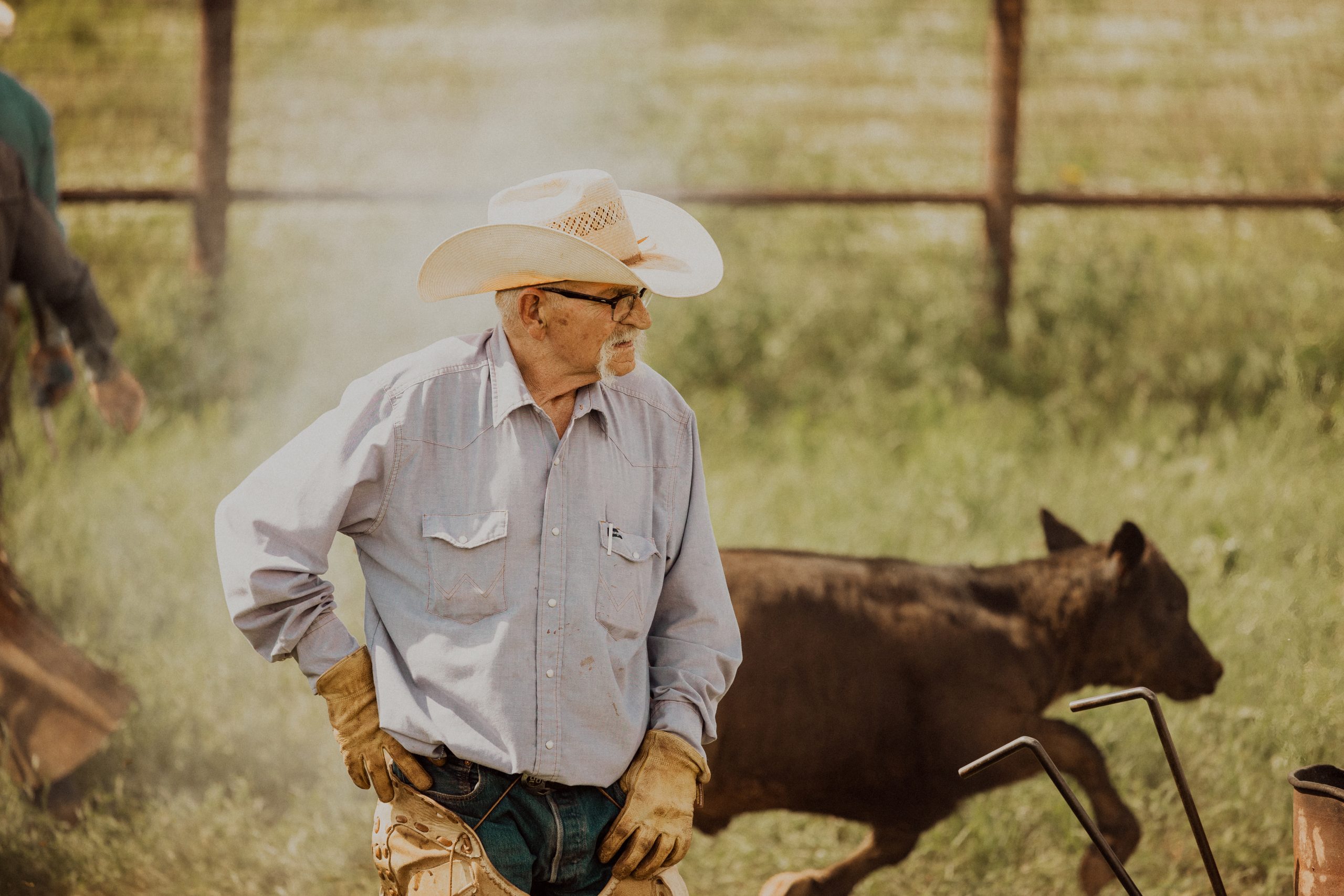
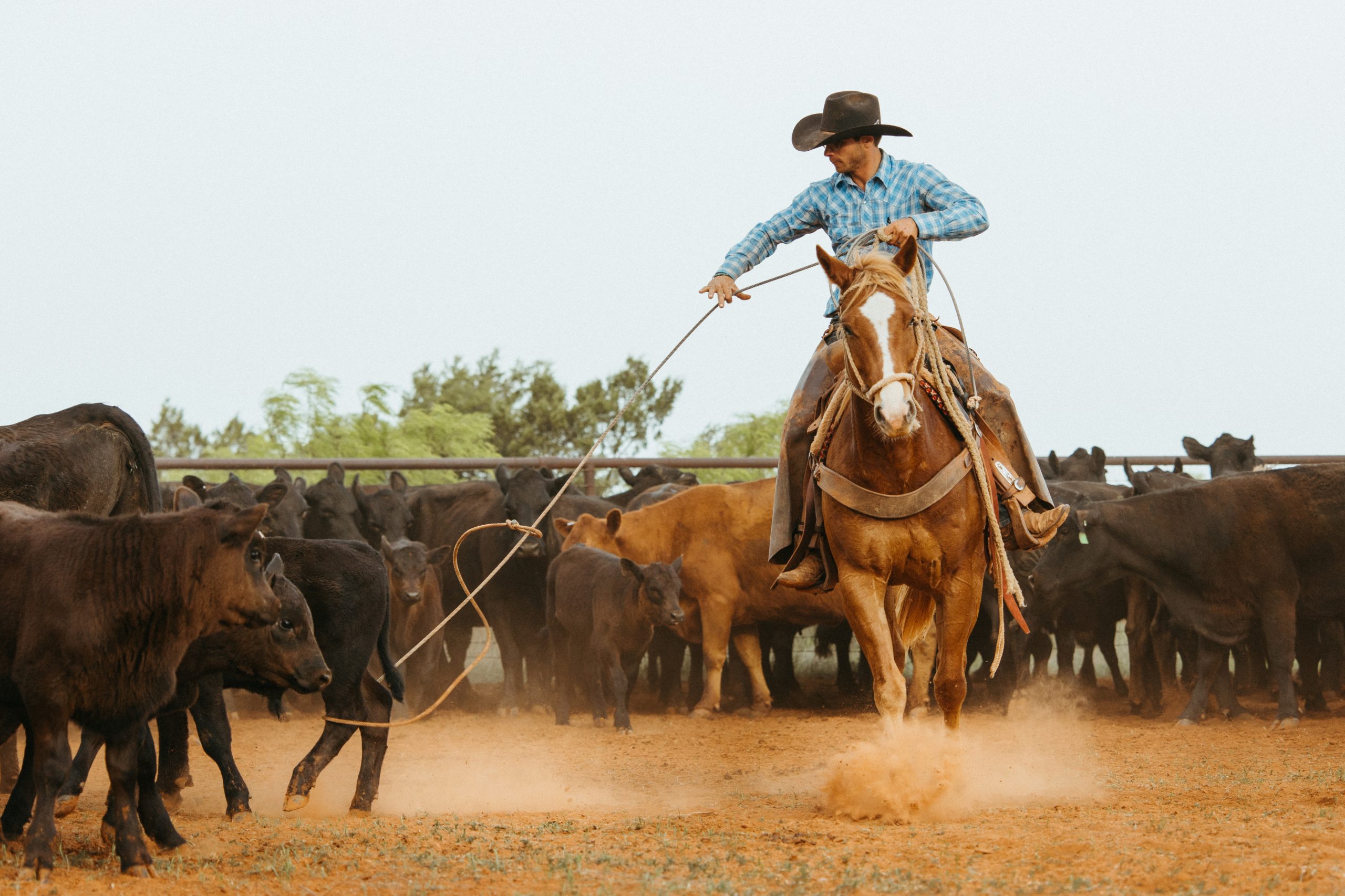
More than a century in the saddle at the Waggoner Ranch
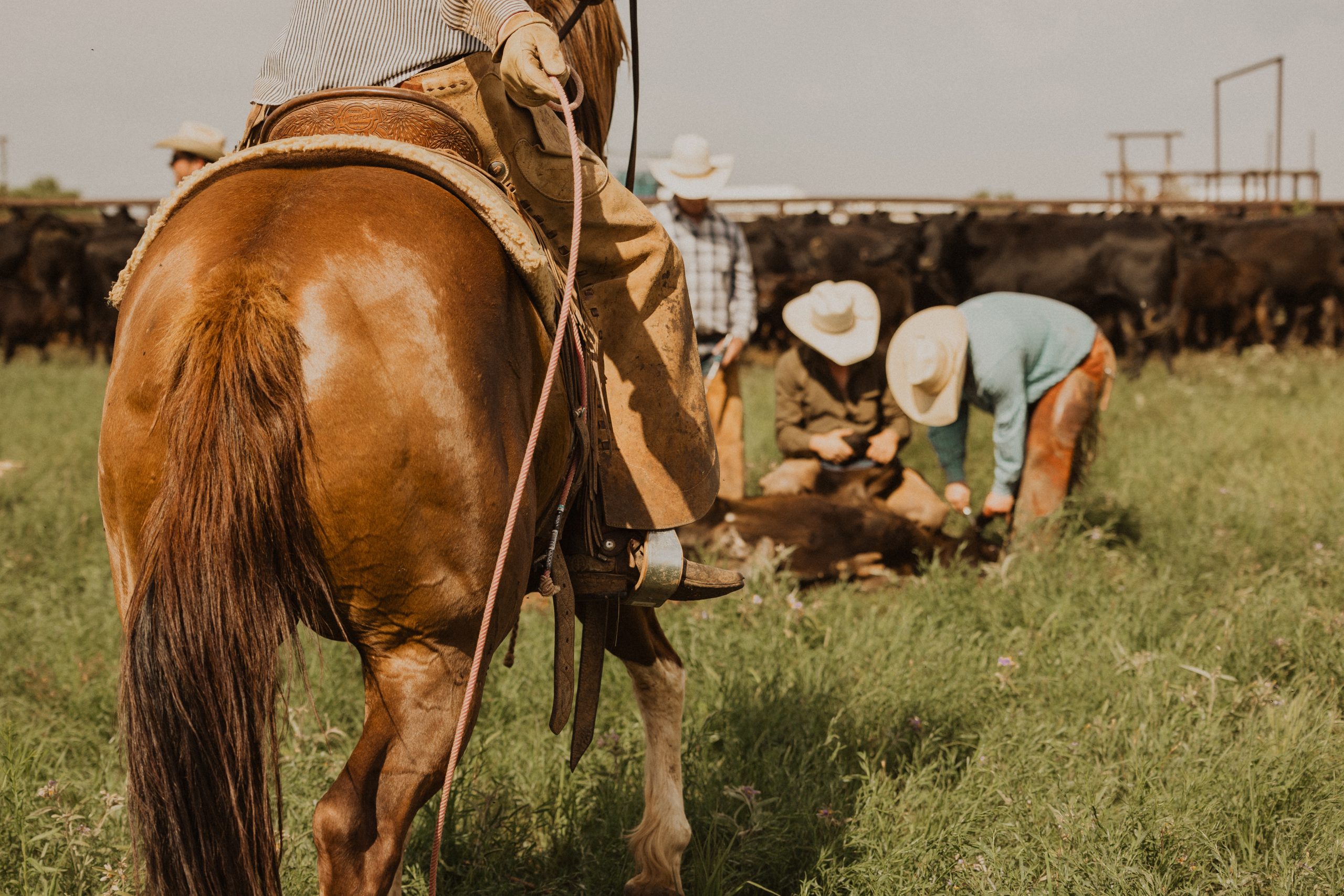
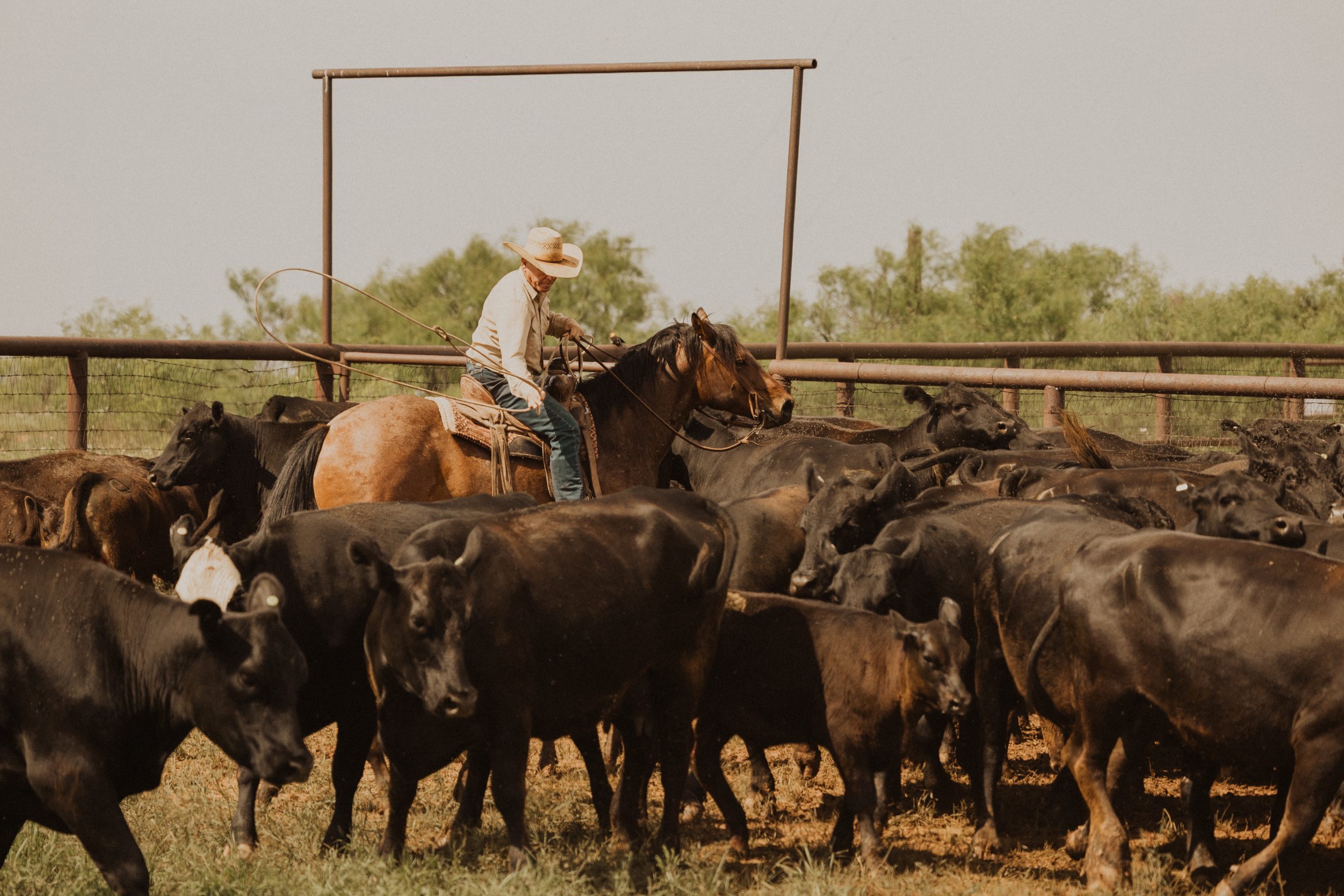
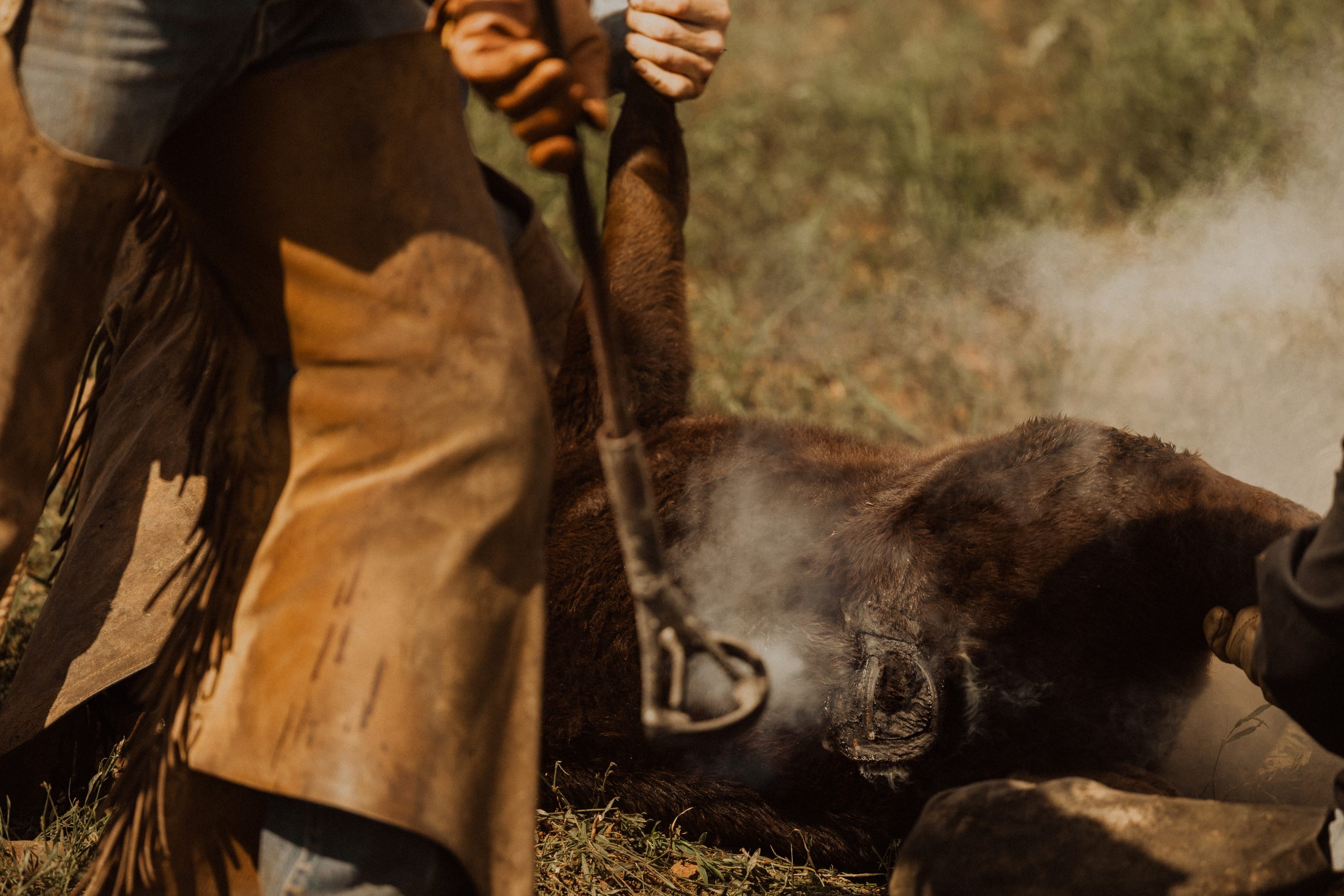
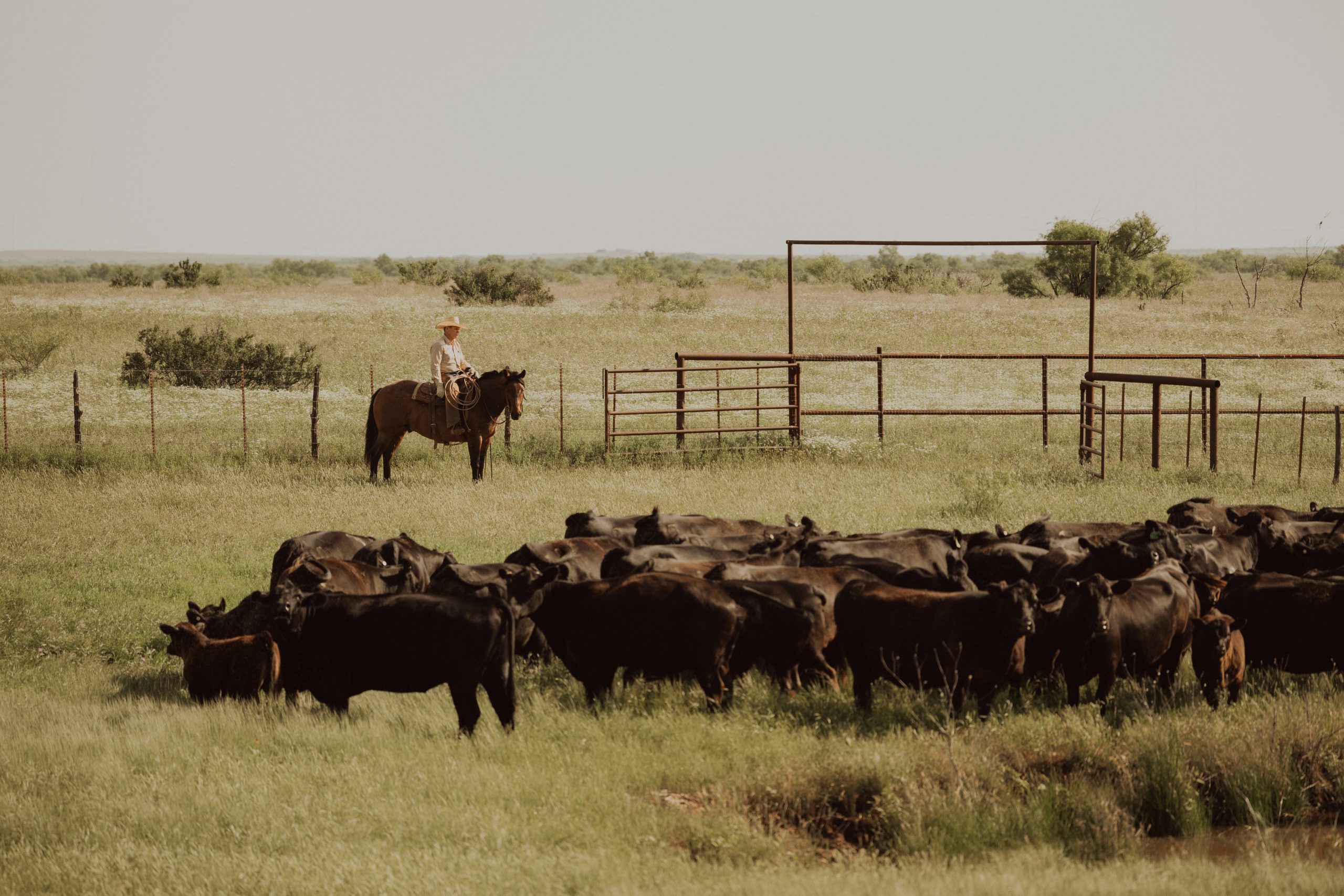
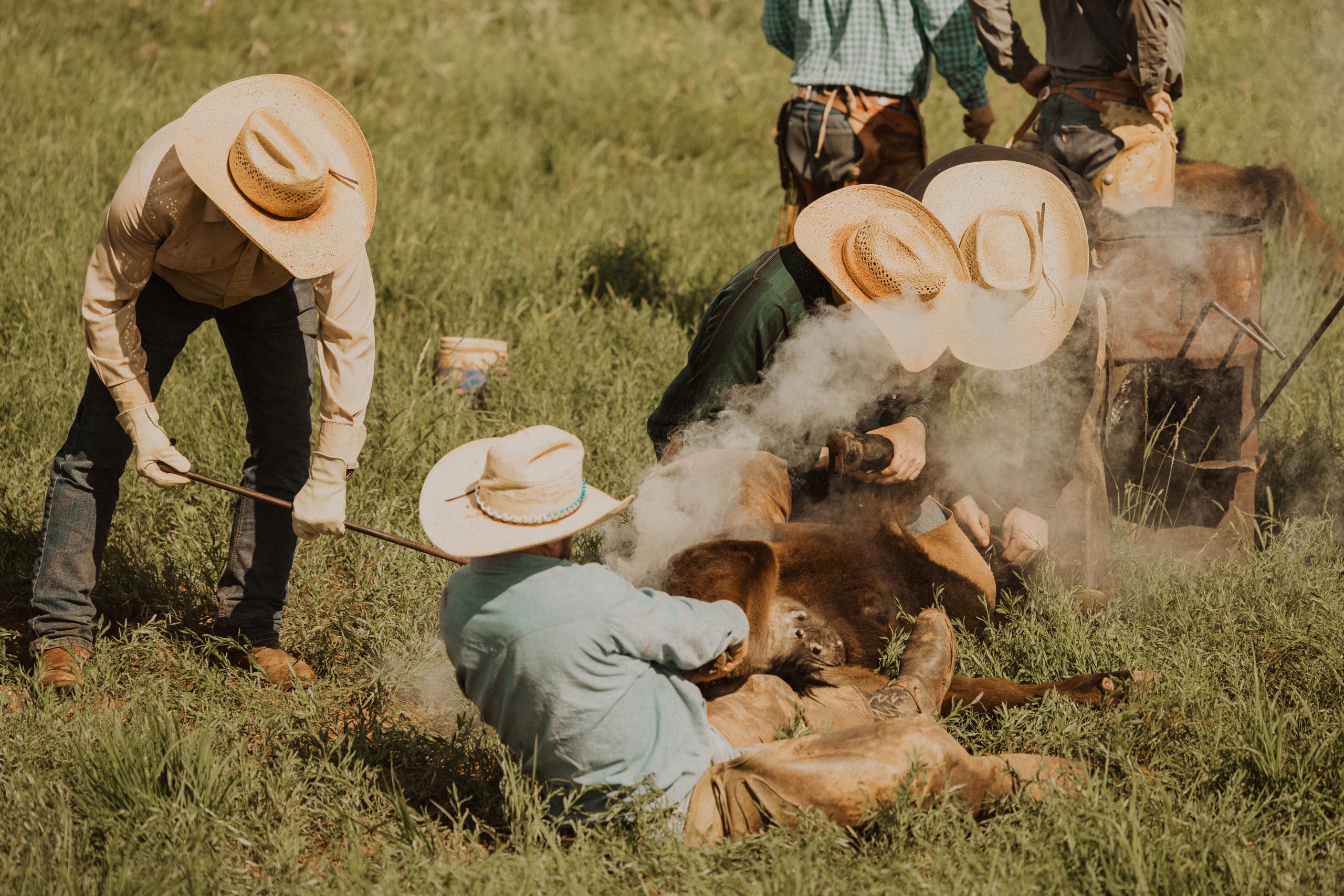
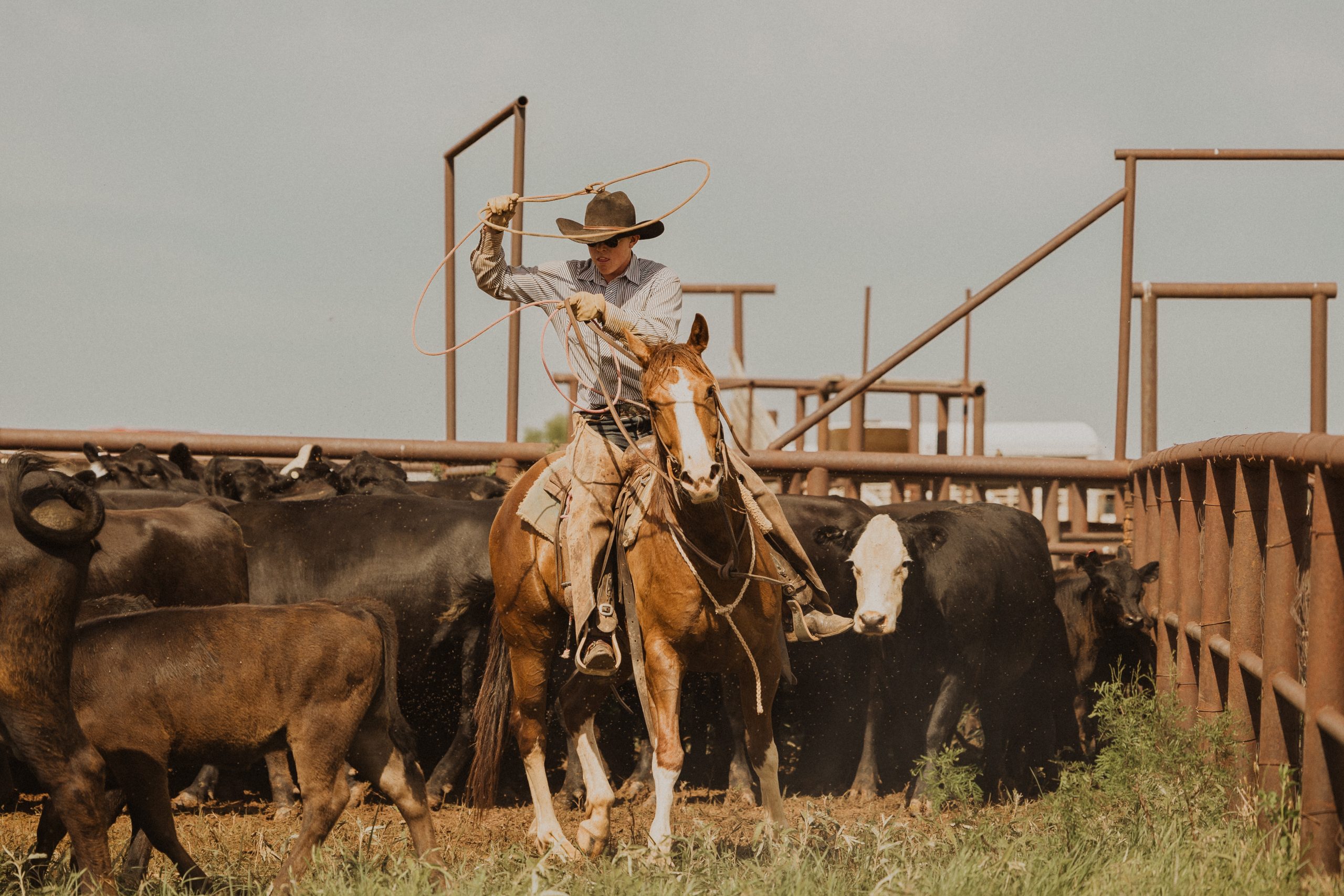
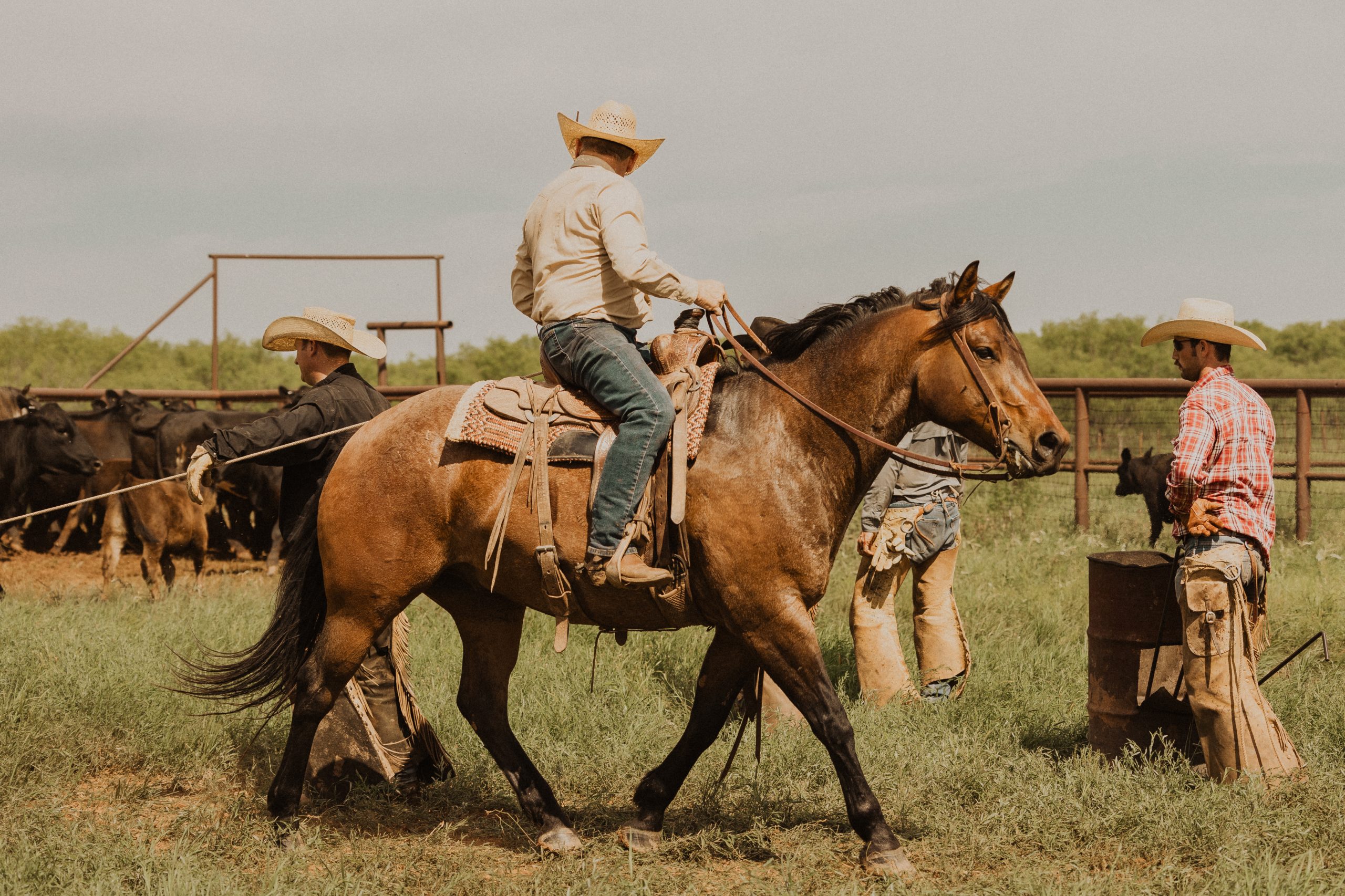
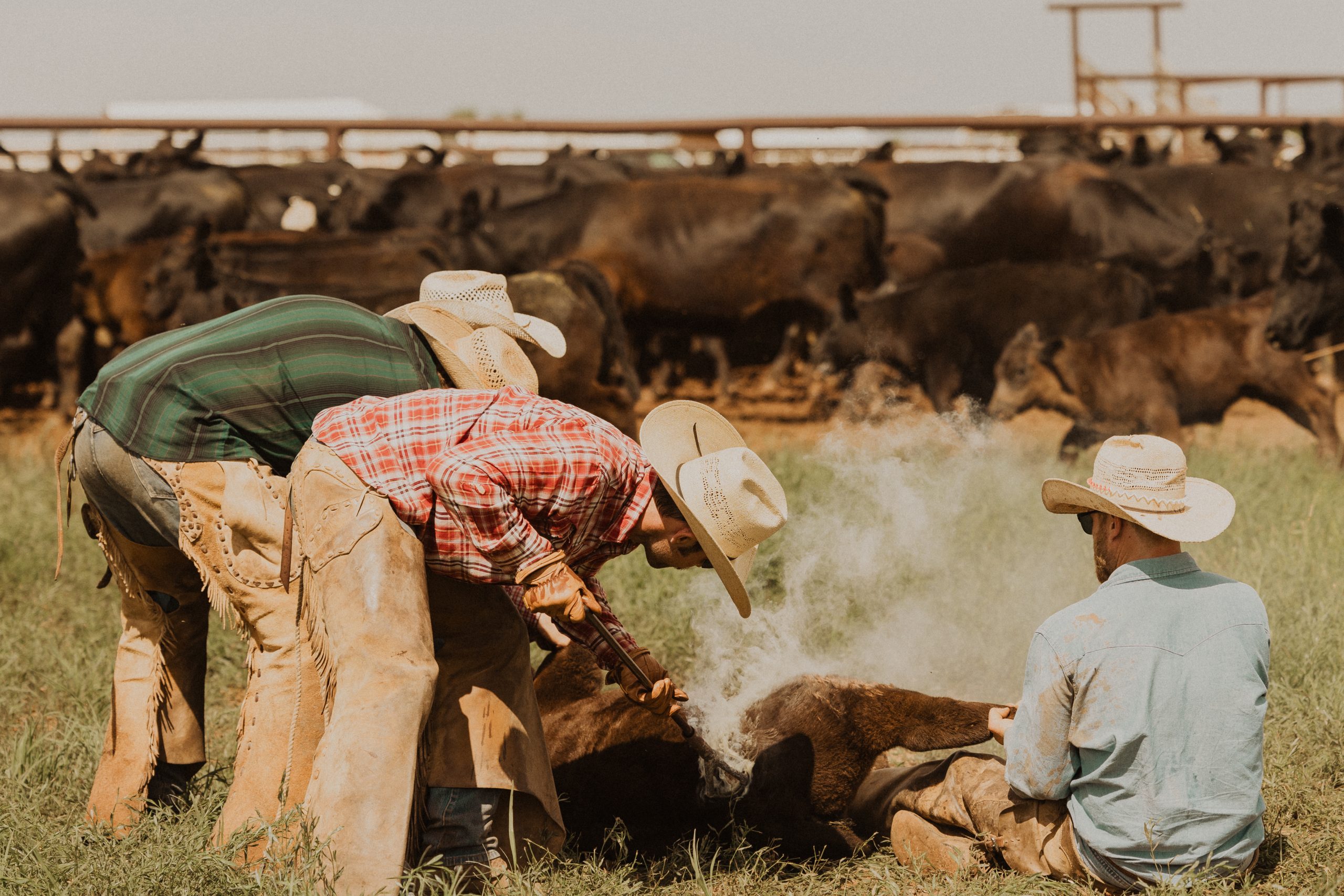
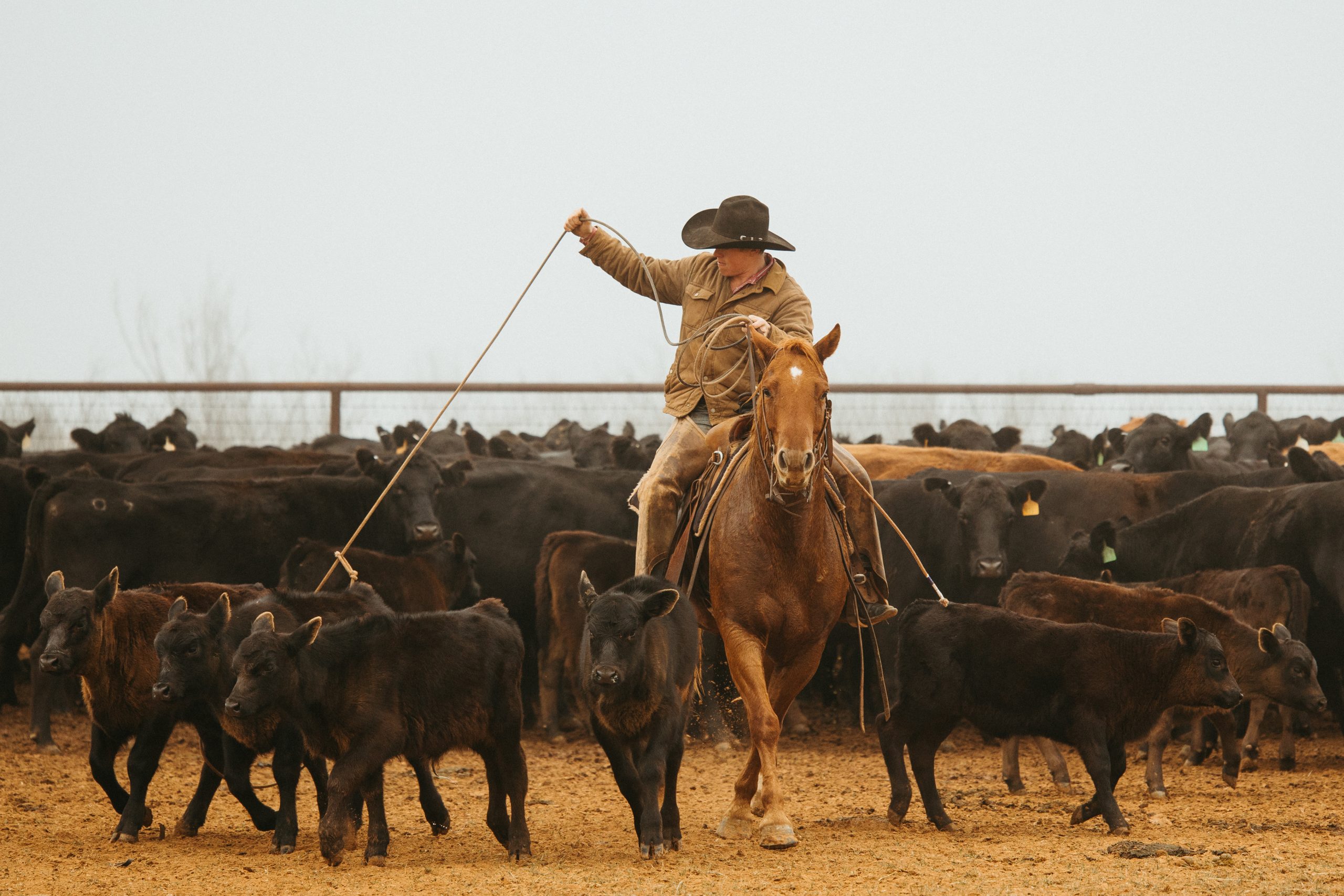
(Photo courtesy Mikkel Freeman Photography.)
When Wes O’Neal arrived at the Waggoner Ranch near Vernon, Texas, in 1957, the chuckwagon stayed out year-round, all a cowboy needed was a saddle, bridle and a bed roll, and the outfit was offering a monthly paycheck of $198.50—enough to attract a young cowboy from the Texas Panhandle.
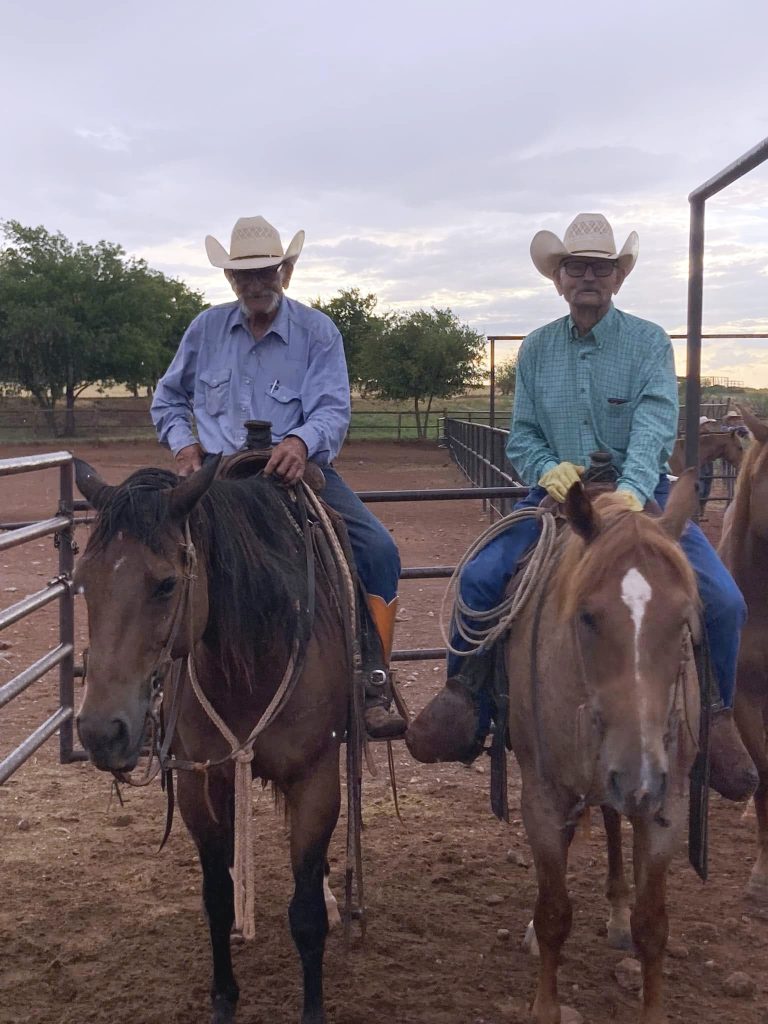
“It was a big deal to get on there,” O’Neal said. “You nearly had to know somebody.”
In 1976, Jimbo Glover walked onto the ranch for his first day as a cowboy. Five decades later, he is still there and ready to gather cattle any day of the week.
Between them, O’Neal and Glover have spent a century riding for the Waggoner, also known as the Three D Ranch for its distinctive cattle brand. O’Neal and Glover have seen the transition from chuckwagons to pickups with gooseneck trailers; the transition from Hereford cattle to commercial Angus genetics; and severe droughts that tested one of Texas’ largest ranches.
Founded in the early 1850s by Daniel and W.T. “Tom” Waggoner, the ranch eventually grew to more than 1 million acres and became one of the most influential cattle and Quarter Horse operations in the country.
Today it encompasses more than 535,000 acres under one continuous fence, making it the largest ranch of its kind in the United States.
“I’ve spent two-thirds of my life here,” Glover said. “The most rewarding part of it is just getting to trot around and look out between a horse’s ears. I like seeing Texas like that. It’s the best view in the world.”
Why the Waggoners mattered
The Waggoner Ranch was known not only for its size, but also for the role the family played in shaping the Texas cattle and horse industries.
In 1877, as cattle rustling plagued the open range and ranchers sought ways to protect their herds, Daniel and Tom joined fellow cattlemen, including Samuel Burk Burnett of the 6666 Ranch and Texas cattle baron C.C. Slaughter, in organizing what is now the Texas & Southwestern Cattle Raisers Association. Nearly 150 years later, TSCRA remains one of the nation’s leading advocates for ranchers and landowners.
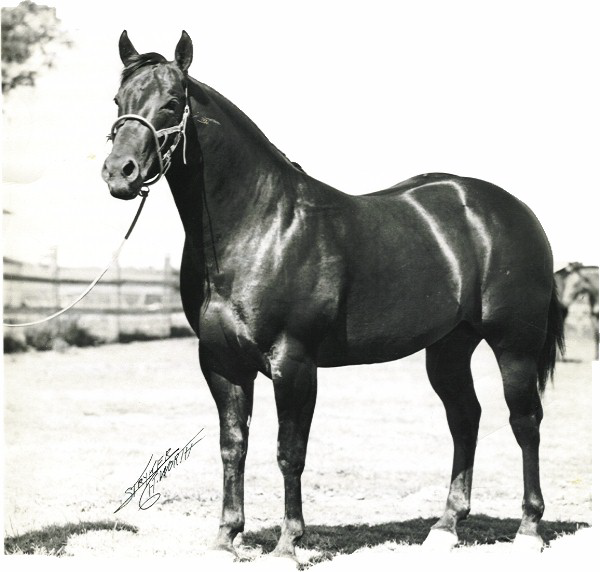
The family’s influence extended to the horse industry as well. Tom Waggoner and his son, E. Paul, were among those instrumental in establishing the American Quarter Horse Association in 1940, helping lay the foundation for what would become the world’s largest equine breed registry.
The ranch’s Quarter Horse program gained national attention with Poco Bueno, purchased by E. Paul Waggoner in 1945. According to AQHA, the stallion became one of the most influential sires in Quarter Horse history, producing 405 registered foals, including 36 AQHA champions.
Three of his offspring were inducted into the National Cutting Horse Association Hall of Fame, and Poco Bueno himself was inducted into the American Quarter Horse Hall of Fame in 1990.
The ranch’s legacy continues to be recognized today. The Waggoner has won the Texas Ranch Roundup five times and received AQHA’s Best Remuda Award for excellence in its ranch horse program. O’Neal said the quality of the horses raised on the Waggoner sets it apart from other ranches.
The evolution of cowboying
Glover and O’Neal lived through prominent ranching eras when both the Waggoner and the cattle industry slowly evolved with the times.
O’Neal retired in 2016 after 58 years, including 12 years as wagon boss and 25 as horse supervisor. Glover, now in his 50th year, served as wagon boss for 23 years.
O’Neal said when he started at the ranch, the cowboys moved cattle almost exclusively with horses, but later started using a helicopter, especially in the fall when it was crucial to round up all calves that needed to be weaned.
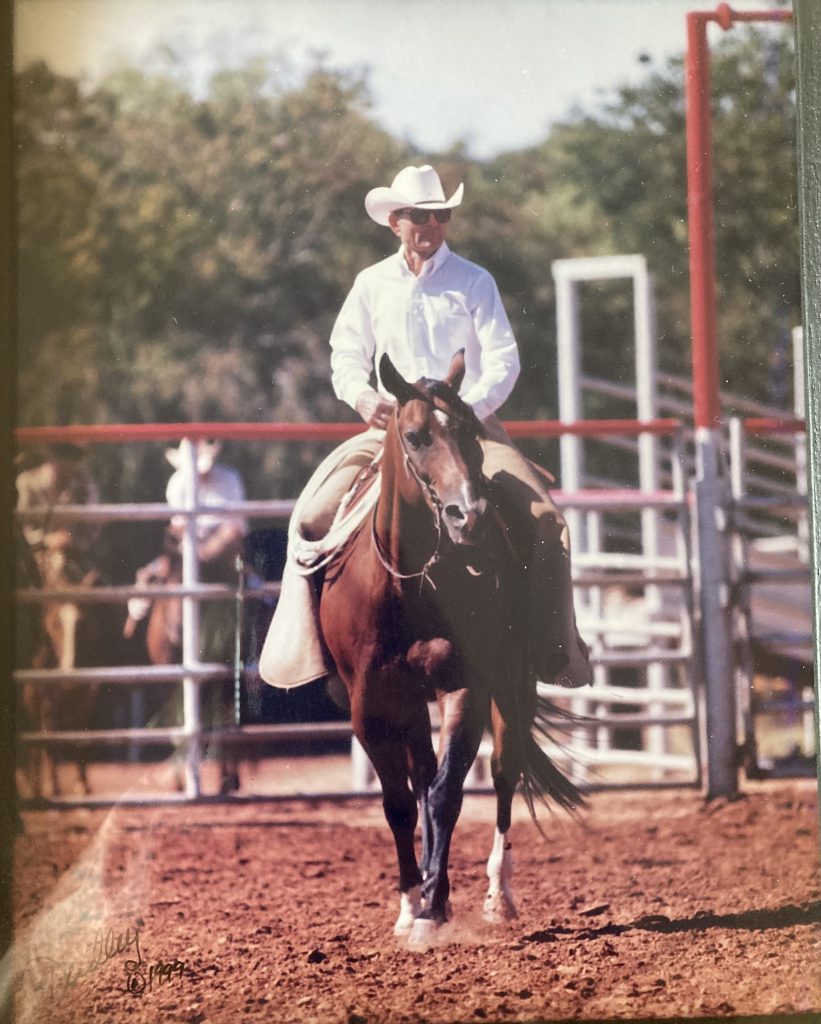
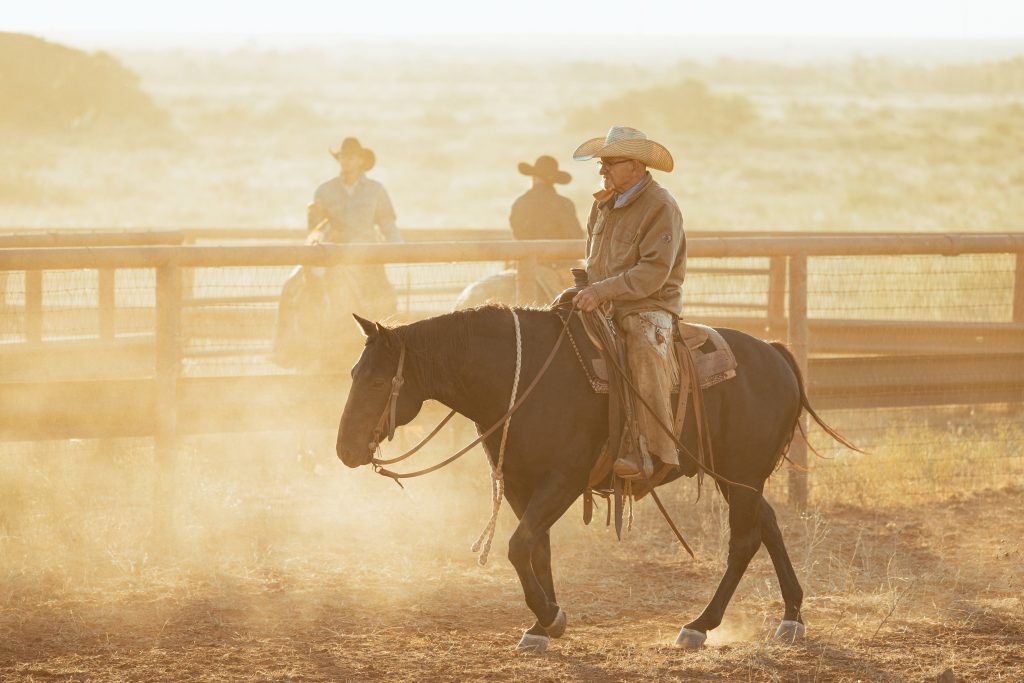
Additionally, O’Neal remembers the introduction of the gooseneck trailer in the mid-1970s as having a significant impact on the transportation of cattle.
“Up until then, we’d just saddle up and lope wherever we were going.” O’Neal said. “The gooseneck trailers came out, and we could just load them up and haul them around. That saved a lot of riding.”
He said the landscape has changed since he started in the late 1950s. Many of the pastures are smaller than they used to be, and brush control and pasture improvements have helped to make the terrain easier to navigate.
Glover said although new technologies have been incorporated over the years to make tasks easier, the day-to-day work is somewhat unchanged from when he started.
“We still work cows like we used to a long time ago, and that hasn’t changed a whole lot,” Glover said. “You cut your dry and undesirable cows out; brand and wean your calves and pick your bulls up.”
Changes in the cattle
The Waggoner Ranch consists of more than 10,000 cows at present. While technology has gradually changed how cowboys work, Glover believes the biggest transformation has been the cattle themselves.
According to the Texas State Historical Association, the Waggoners originally raised Durham Shorthorn cattle in the 1880s, but later transitioned to Herefords in the 1890s. Herefords were the dominant breed when O’Neal and Glover started at the ranch.
By the 1980s, the ranch started incorporating Angus bulls to produce black baldy cattle. Glover said several years later they started breeding the cows to Red Angus bulls, which produced red baldy offspring.
“A little bit later they introduced some Charolais bulls, which were a really good cross between the black and red baldies, because the calves weighed 70 to 80 pounds more at weaning,” Glover said. “When you’re in the cattle business, pounds are dollars.”
Today, most of the herd is commercial Angus cattle. Both O’Neal and Glover said the cattle’s temperament has changed over the years with the breeding. Both men said today’s cattle are much calmer than the Herefords they worked when they first arrived.
“The Hereford cows were hard to deal with,” O’Neal said. “They were just wild. These black cattle are just naturally gentle.”
The tough years
When asked about the most challenging times on the Waggoner, Glover and O’Neal referenced periods of significant drought. O’Neal remembered an extreme drought during the early 1960s that stands out over his many years at the ranch.
“There’s not a windmill on that ranch,” O’Neal said. “It’s strictly tank water and creek water. That year it was real dry, and we were moving cattle around to different places because we’d run out of water. That’s the only time I can remember having to move cattle from one pasture to another.”
Glover said he considers the drought that occurred between 2010 and 2014 to be the worst due to the intense heat and lack of grass.
“The ranch sent 3,000 to 4,000 cows north to Nebraska, North and South Dakota,” he explained. “That’s probably the toughest times I’ve seen. It was a four- to six-year stretch there.”
A lifetime on the Waggoner
Neither O’Neal nor Glover expected the Waggoner Ranch to become a lifelong career.
“I never expected to stay 58 years,” O’Neal said with a laugh.
He figured he would spend a few years on the ranch before returning to the Texas Panhandle, where he grew up. Instead, he met his wife, Patricia, raised a family and built a career that lasted nearly six decades.
Glover’s story followed a similar path.
“It’s been around forever,” he said. “It’s outlasted so many others. It’s still together and operating, and I think it’s just the history behind this place that’s kept it together for so long. I’ve had the privilege of being hooked up with this good organization that takes care of the employees like they do here. They’ve been awful good to me.”
Even in his 90s, O’Neal still finds himself at the Waggoner a couple of times a week to throw his leg over a horse and help move cattle.
“It’s been a great life for me and my family,” he said.
Asked whether there will always be a place for cowboys, O’Neal didn’t hesitate.
“As long as there’s a cow out there,” he said, “there’ll be a cowboy chasing her.”
Fifty years after he first rode through the ranch gates, Glover still has no plans to leave.
“This ranch is so massive,” he said. “There’s still things that I haven’t seen.”
Lacey Vilhauer can be reached at 620-227-1871 or [email protected].
Waggoner Ranch history
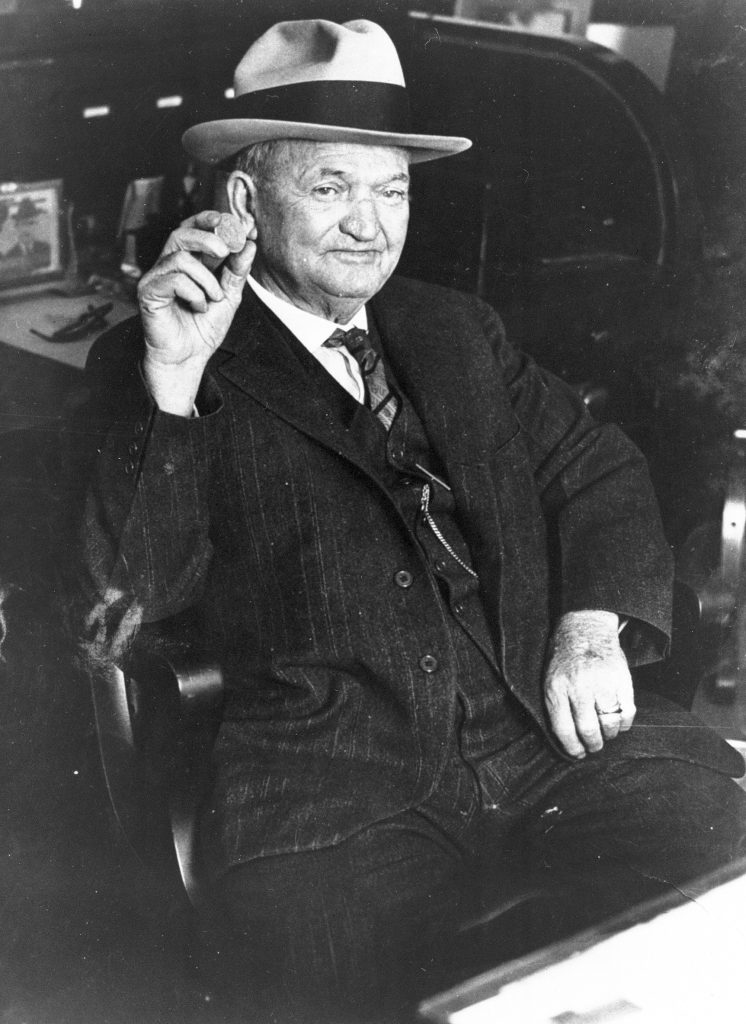
According to the Texas State Historical Association, it was in the early 1850s when Daniel Waggoner, his son, W.T. “Tom” Waggoner, and a teenage African American slave set out to drive 242 cattle and six horses to North Texas which would later become the Waggoner Ranch.
In 1866, the Waggoners adopted the reverse Three D brand, designed to make it difficult for cattle rustlers to duplicate. It remains the ranch’s iconic brand today.
After establishing herds in Wise County, the family gradually expanded westward, and the partnership of D. Waggoner and Son was formed in 1869. A successful 5,000-head cattle drive to Abilene, Kansas, in 1870, netted a whopping $55,000 profit for the ranch and cemented its future.
During the late 19th century, the Waggoners expanded their land holdings, first through open-range grazing and later through land purchases as fences replaced the open range. As it grew, the ranch became known for both cattle and horse breeding.
Daniel died in 1904, and Tom took over the Waggoner Ranch, which had grown to more than 1 million acres. Around this time, oil was discovered on the property, which added another revenue stream.
In 1923, Tom placed the ranch into a trust known as the W.T. Waggoner Estate. He died in 1934, leaving the ranch to his widow and children through the trust with a board of trustees at the helm.
In 2016, billionaire Stan Kroenke purchased the Waggoner Ranch for $725 million, ending more than 160 years of family ownership, but pledging to keep the ranch intact under one fence.
Nearly 175 years after the Waggoners first trailed cattle into North Texas, the ranch spans about 835 square miles across six counties. While many of Texas’ historic ranches have been broken apart over time, the Waggoner has remained intact under one continuous fence, preserving a scale few ranches can match today.
The historic past of the Waggoner Ranch
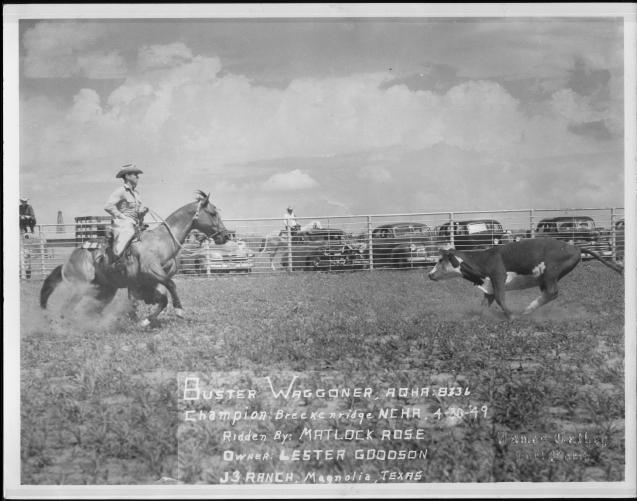
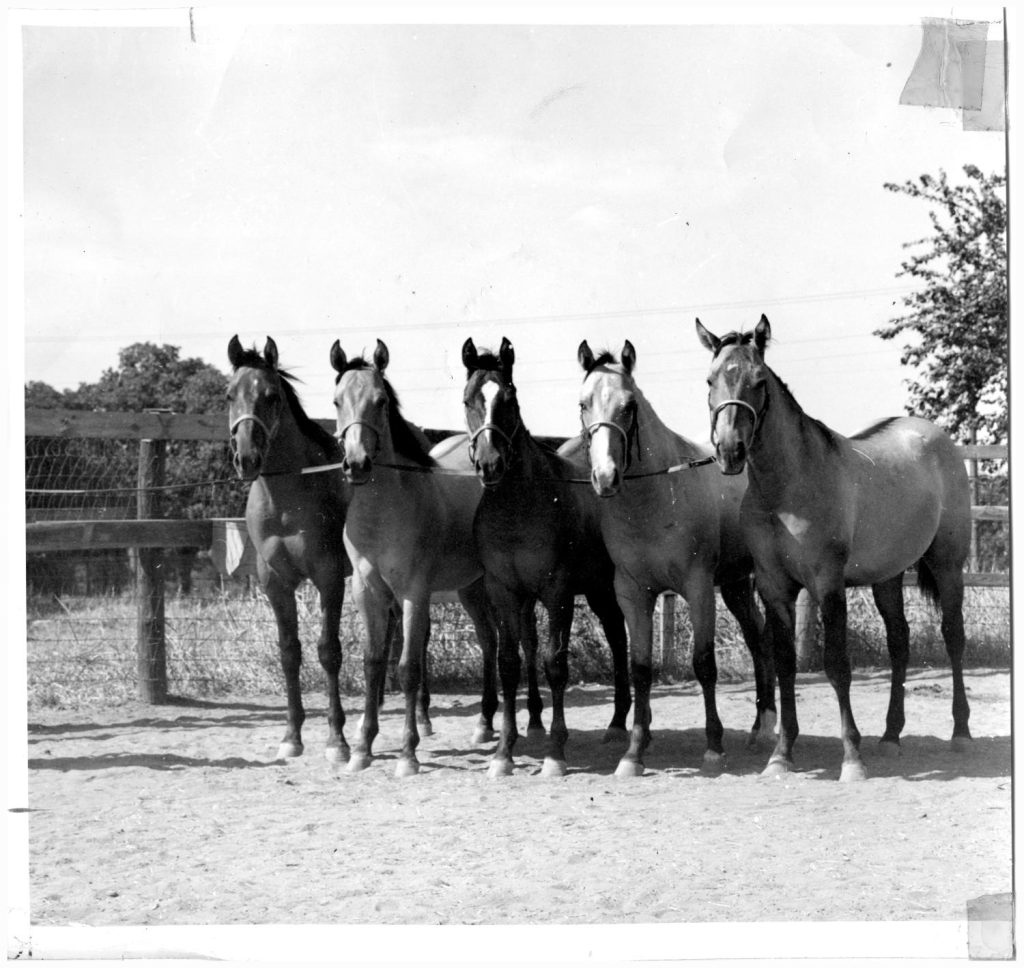
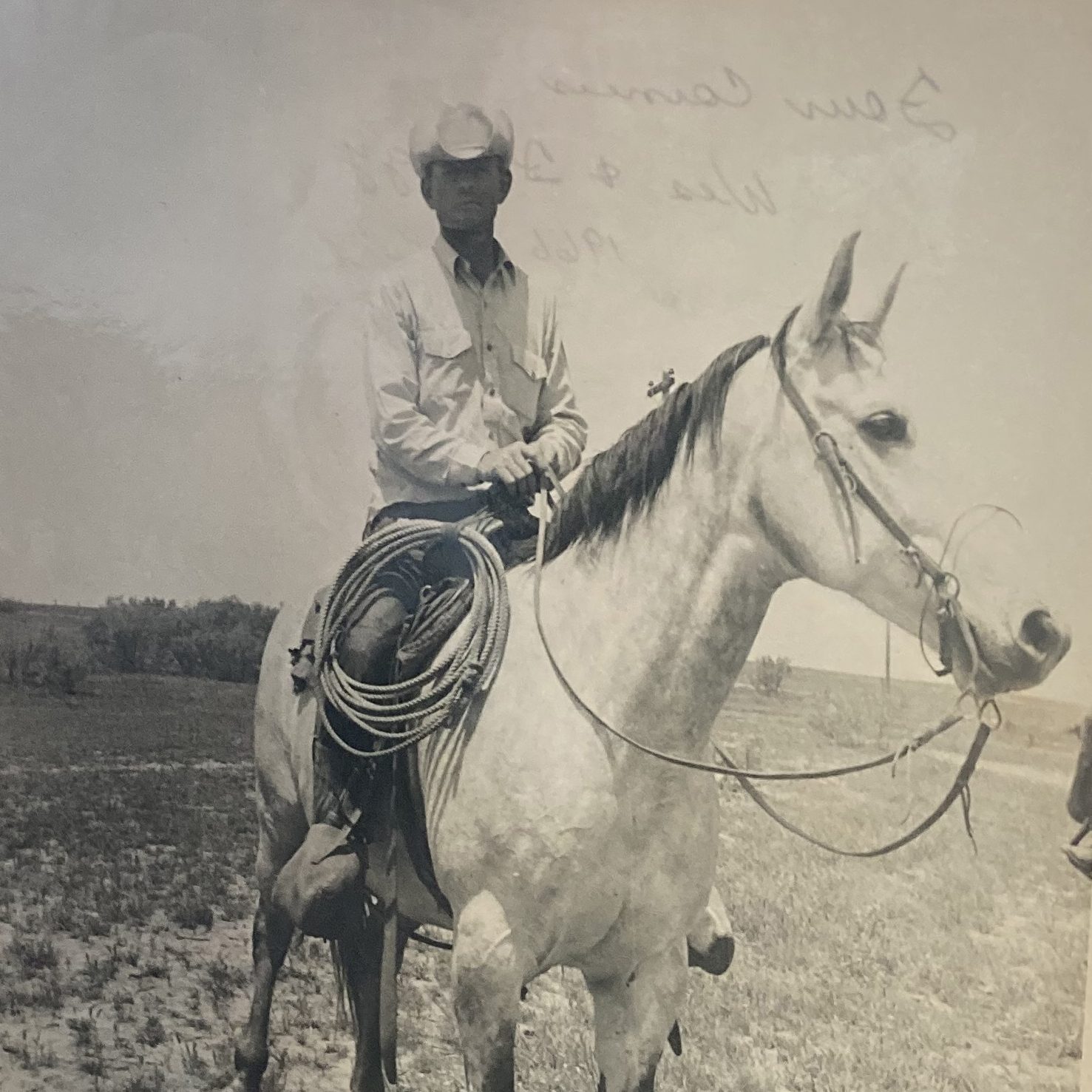
The modern day Waggoner Ranch
Photos by Mikkel Freeman Photography