
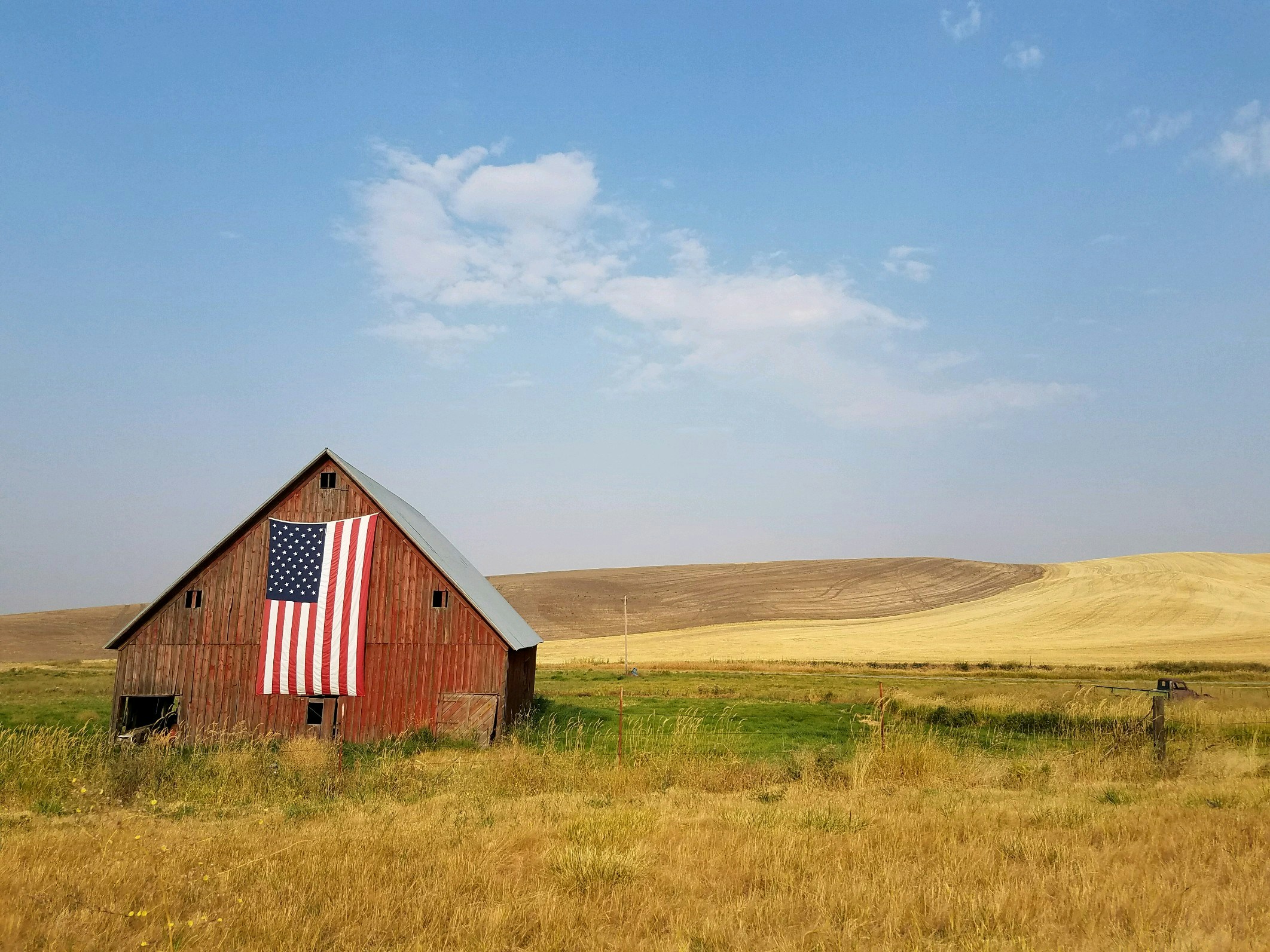
The Founding Fathers were risk-takers. They believed in their cause enough to openly rebel against Great Britain and sign a declaration that meant treason in the eyes of the British Crown.
If they had lost the Revolutionary War, many would have faced execution. It was a gamble that required conviction, courage and a willingness to stake everything on an uncertain outcome.
These same risk-taking characteristics can be found in everyday farmers and ranchers. They make significant financial decisions every day. They operate in an industry where success depends on factors largely outside their control.
A corn crop can be on its way to a high yield harvest one day, and by the next morning destroyed by an overnight hailstorm. Similarly, ranchers are at the mercy of cattle prices, demand and feed costs; not every risk pays off.
Farmers and ranchers rely on experience, instincts, good decision-making, and faith, and some years they are quite literally betting the farm. The uncertainty that comes with agriculture demands resilience, determination and a belief that tomorrow will bring another opportunity.
Perhaps that helps explain why so many of America’s founders came from agricultural backgrounds. Of the 56 men who signed the Declaration of Independence, more than half were farmers, planters or deeply involved in agriculture. That connection makes sense with the bold risks they took during the Revolutionary War.
George Washington considered himself a farmer before anything else. He managed nearly 8,000 acres at Mount Vernon and became known for experimenting with crop rotation and soil conservation practices long before the concepts were common. Additionally, during his presidency in 1791, Washington conducted the first agricultural survey.
“I’d rather be on my farm than be emperor of the world,” Washington reportedly said.
Thomas Jefferson was also a lifelong farmer and innovator. He improved upon the moldboard plow and devoted considerable attention to agricultural science and land stewardship at his estate in Virginia.
Benjamin Franklin promoted agricultural improvement through his writings and experiments. He advocated for the use of gypsum as a fertilizer and supported early ideas that resembled modern crop insurance.
Other notable farmer Founding Fathers included James Madison, James Monroe and John Adams, all of whom maintained farms and drew much of their livelihood from the land.
Agriculture helped shape the outlook of many of America’s founders. Long before they became statesmen, generals and presidents, they were producers who understood risk, hard work and the consequences and rewards of taking chances.
Those lessons were not learned solely from books or political debate. They were learned in fields, barns and farmyards, where success was never guaranteed, and perseverance was essential.
As Americans celebrate Independence Day and the nation’s 250th anniversary, it is worth remembering that many of the men who founded this country were farmers. They were willing to risk everything for an idea they believed in, and generations of Americans have benefited from their courage ever since.
Modern farmers and ranchers may not be fighting a revolution right now, but they continue to embody many of the same qualities—faith, perseverance and a willingness to bet on a better future. That thought makes me even more proud to be an American.
Lacey Vilhauer can be reached at 620-227-1871 or [email protected].
PHOTO: (John Warg via Unsplash.)



