U.S. corn farmers paying far more for inputs than Brazilian competitors, NCGA report finds
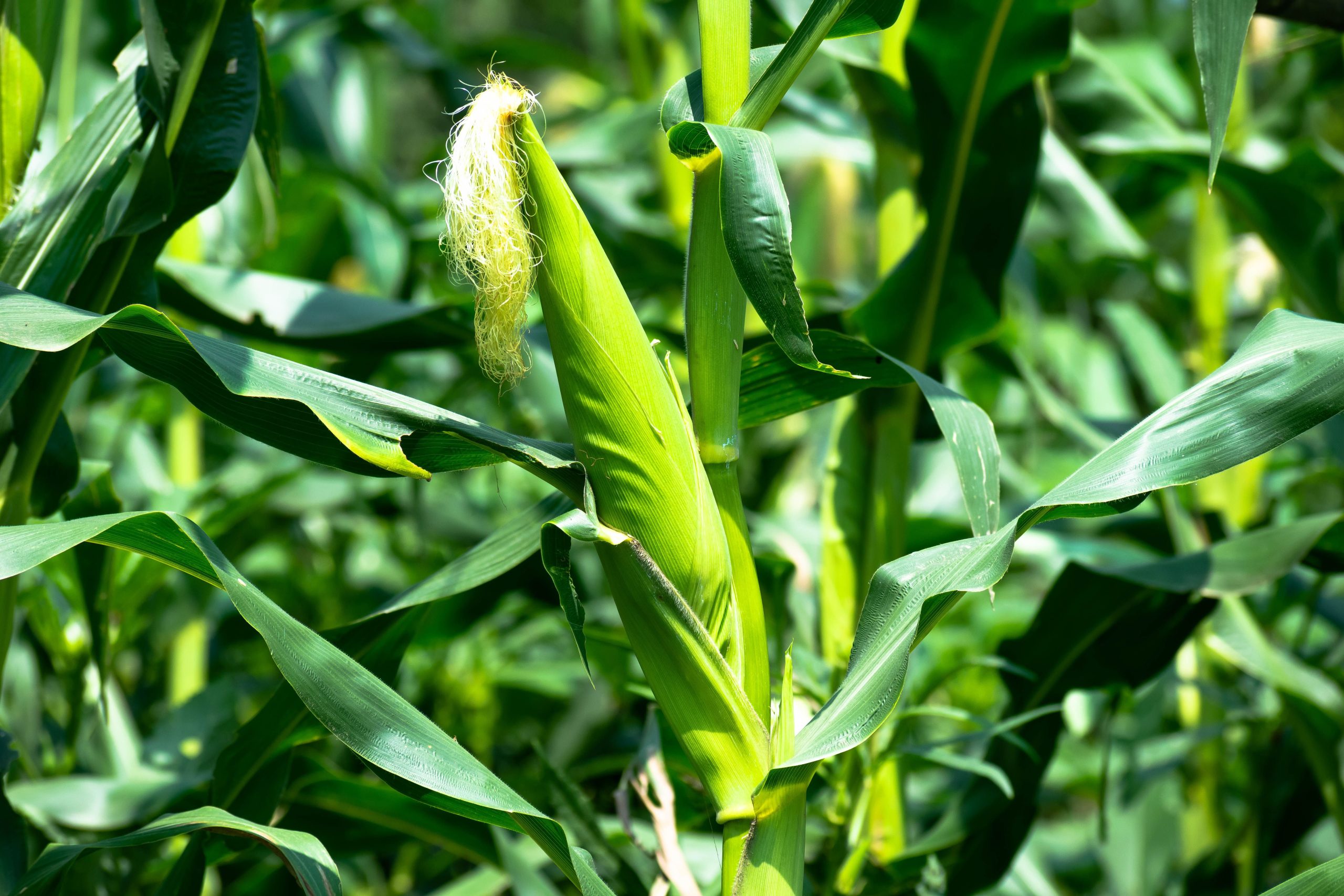
American corn farmers are paying substantially more for key crop inputs than their Brazilian competitors, creating a significant disadvantage in the global marketplace at a time when many farmers are facing a fourth consecutive year of financial losses, according to a new report released by the National Corn Growers Association on July 8.
The report compares prices paid by farmers in the United States and Brazil for major seed and crop protection products from 2023 through 2025. It concludes that while farmers in both countries sell corn into the same global commodity market, U.S. growers often begin the season with significantly higher production costs.
“U.S. corn growers are among the most productive farmers in the world but are often paying significantly more for the inputs needed to compete in that same global marketplace,” NCGA Chief Economist Krista Swanson said.
The study, prepared with market intelligence firm Kynetec, examined corn seed, soybean seed, fungicides, herbicides, and insecticides. Researchers focused on those categories because comparable farmer purchasing data were available in both countries.
Report details significant price differences
Among the report’s findings:
- U.S. corn seed prices averaged 68% higher than those paid by Brazilian farmers.
- Some fungicide comparisons showed U.S. prices at more than double Brazilian levels.
- Herbicide prices in many cases were nearly twice as high in the U.S.
- Corn insecticide prices averaged 87% higher than in Brazil.
Swanson said the findings confirm what many farmers have experienced firsthand in recent years as input costs have continued to climb despite lower commodity prices.
“It puts real data behind what many growers have been feeling in their budgets,” she said. “It’s easy to focus on corn prices when talking about the farm economy, but the other side of the equation is what farmers are paying to put their crop in the ground.”
NCGA officials emphasized that the report does not suggest farming conditions in the two countries are identical. Differences in regulations, production systems and available products exist, but the association argues that the pricing gaps are too consistent and too large to ignore.
The report also found that exchange rates explain only part of the disparity. According to Swanson, Brazilian farmers generally have greater access to generic crop protection products and single active ingredient formulations, while U.S. growers more often purchase premium premixed products sold by the world’s largest agricultural input manufacturers.
Those products may provide additional value through performance, stewardship and technical support, Swanson said, but the remaining price differences raise broader questions about competition, transparency and whether American farmers have enough lower-cost alternatives.
Higher costs squeeze farm profitability
From a producer’s perspective, those higher input costs translate directly into tighter operating margins because farmers cannot pass increased expenses on to buyers in the global commodity market.
“When U.S. farmers face a higher cost structure than their competitors, that risk lands directly on the farm balance sheet,” Swanson said. “Over time, higher costs mean tighter margins, greater financial strain, less flexibility to invest in new technology, and fewer opportunities to strengthen their farm for the future.”
Michigan corn farmer and NCGA First Vice President Matt Frostic, who chairs the association’s Inputs Task Force, said many growers have long suspected they were paying more than international competitors, but the size of the gap surprised members of the task force.
“Corn is a global commodity,” Frostic said. “We sell our products on the same market as our Brazilian counterparts, but if we’re paying far more for our inputs and yet selling our products for the same price, we’re being put at a distinct disadvantage.”
Frostic said the issue is especially concerning as corn growers continue to struggle with profitability.
“We certainly want to see higher prices for our corn, and NCGA works every day on building that demand, but we can’t ignore the prices we’re paying for inputs right now,” he said.
NCGA seeks policy changes
The report stems from work begun about a year ago after an NCGA action team identified rising input costs as a major concern for producers. That effort eventually led to the formation of the association’s Inputs Task Force, which was charged with identifying factors contributing to sustained high input prices.
Beyond the report’s findings, NCGA leaders also criticized what they describe as efforts by some agricultural chemical companies to use U.S. trade laws to limit access to lower-cost generic products.
Frostic pointed specifically to a recent petition by Bayer seeking countervailing duties on imported glyphosate, arguing such actions could further increase production costs for American farmers by restricting access to generic alternatives.
“We’re calling for increased transparency from input providers and for pricing to reflect the realities of the current economic environment,” Frostic said.
NCGA said it is pursuing policy initiatives aimed at improving the global competitiveness of U.S. agriculture, including expanding ethanol market access abroad and seeking legislative changes to the U.S. countervailing duty process that would require trade officials to consider the broader public interest when evaluating petitions.
Association leaders said the report is intended to spark discussions about competition, market structure and policies that could reduce unnecessary production costs while maintaining safety and environmental stewardship standards.
“The bottom line is this,” Swanson said. “U.S. farmers can compete with anyone in the world on productivity, but productivity alone cannot overcome a persistent cost disadvantage. If we want U.S. agriculture to remain strong for the long term, costs matter too.”
The full report can be found here: www.ncga.com/stay-informed/media/the-corn-economy/article/2026/07/productive-but-priced-out-the-input-cost-challenge-facing-u-s-corn-growers.
Lacey Vilhauer can be reached at 620-227-1871 or [email protected].