High Plains agriculture operates in a challenging environment of volatile commodity prices for corn, wheat, and soybeans, coupled with elevated input and land costs. With volatile prices and higher costs, farmer margins are being squeezed, prompting diversification.
Specialty crops—particularly identity-preserved pulses including yellow field peas, lentils, chickpeas, and dry beans—emerge as a strategic diversification tool. The USDA defines specialty crops to encompass fruits, vegetables, tree nuts, dried fruits, and horticulture. IP builds on this by ensuring traceability, segregation, and verification of unique attributes such as non-GMO status or variety-specific traits, enabling access to premium food markets worldwide.
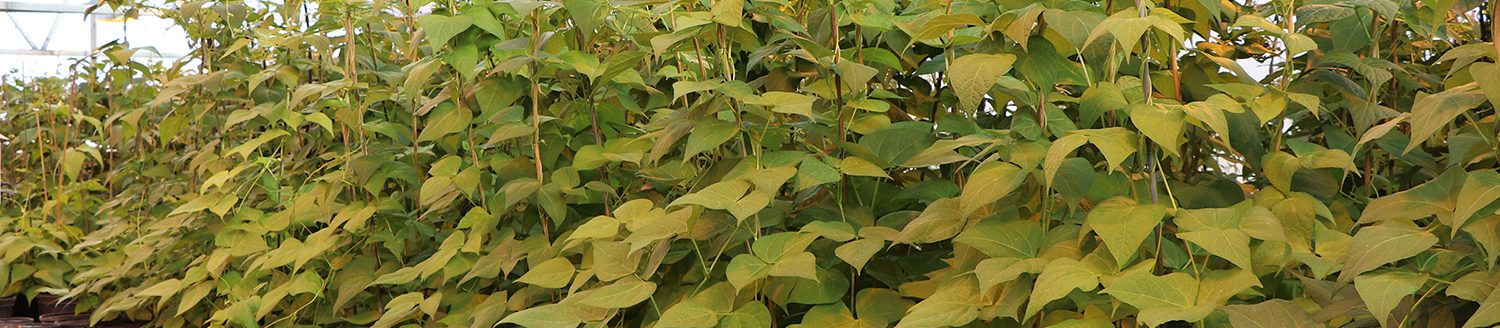
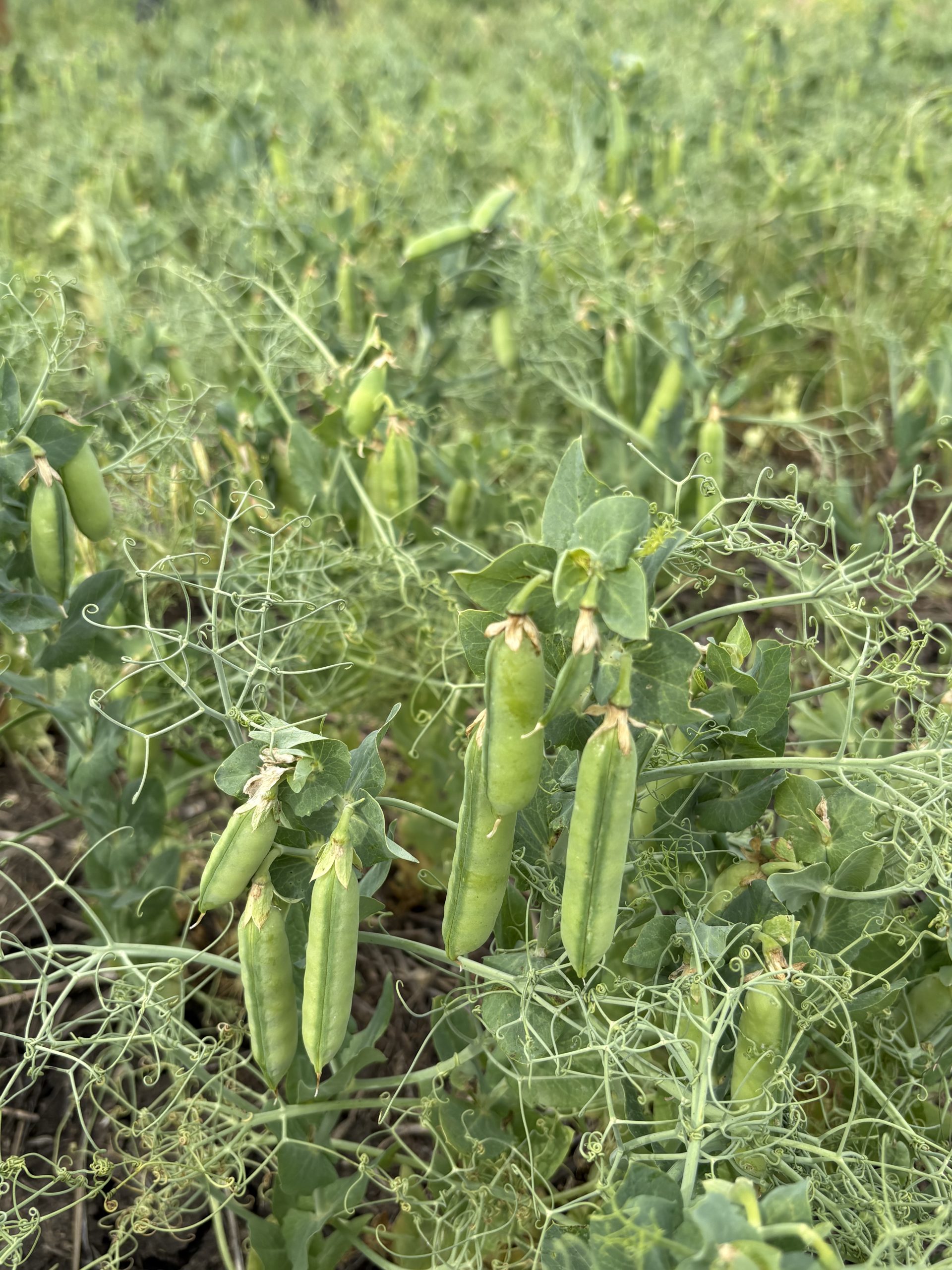
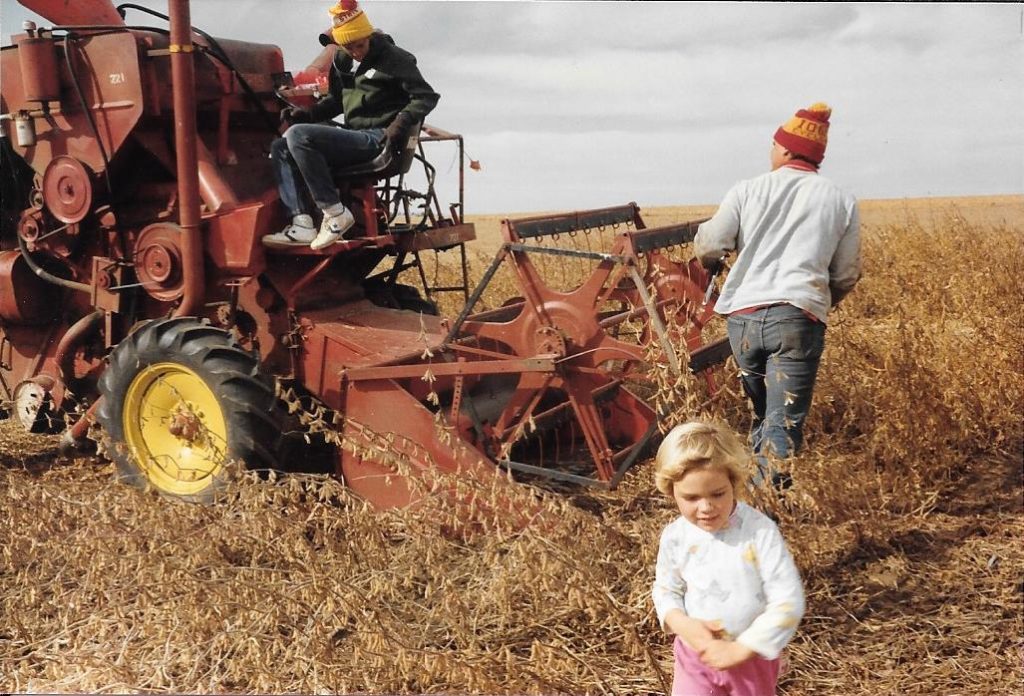
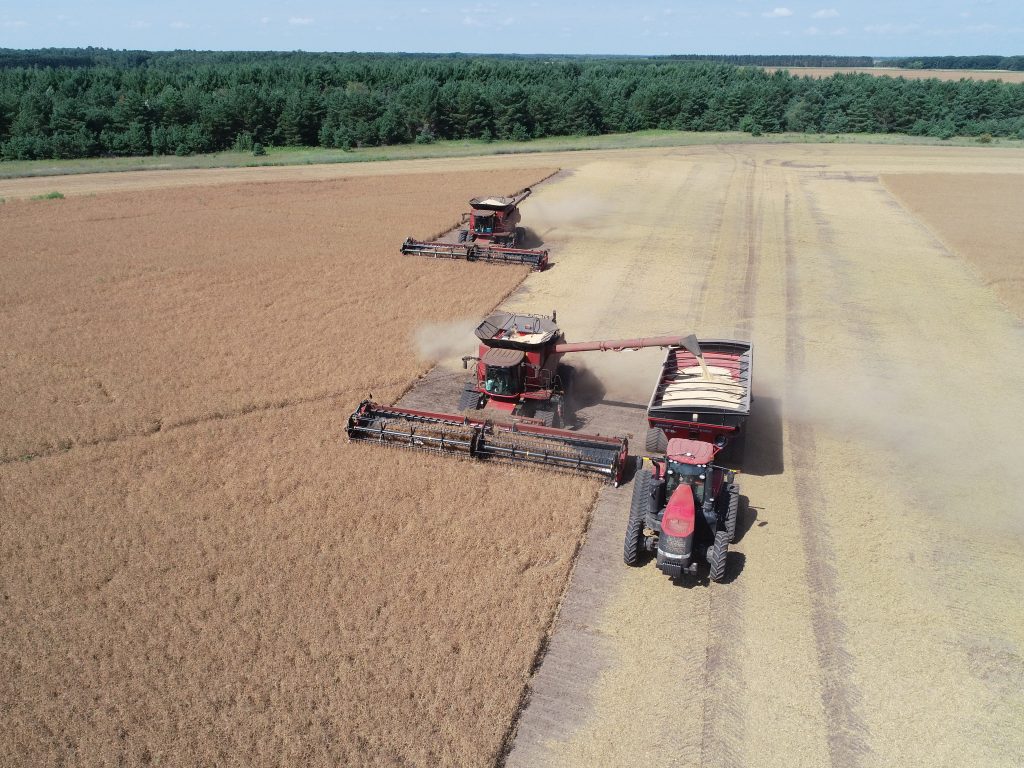
These crops align naturally with High Plains production systems. Pulses perform well in dryland rotations, fix nitrogen to improve soil health, and offer short-season cash flow. PURIS’ dedicated High Plains yellow pea programs for example, supply climate-resilient, non-GMO seed varieties backed by forward contracts and direct purchase, helping growers manage risk and transition acres effectively. (Pictured above is South Dakota Peas-Deadwood Farms.)
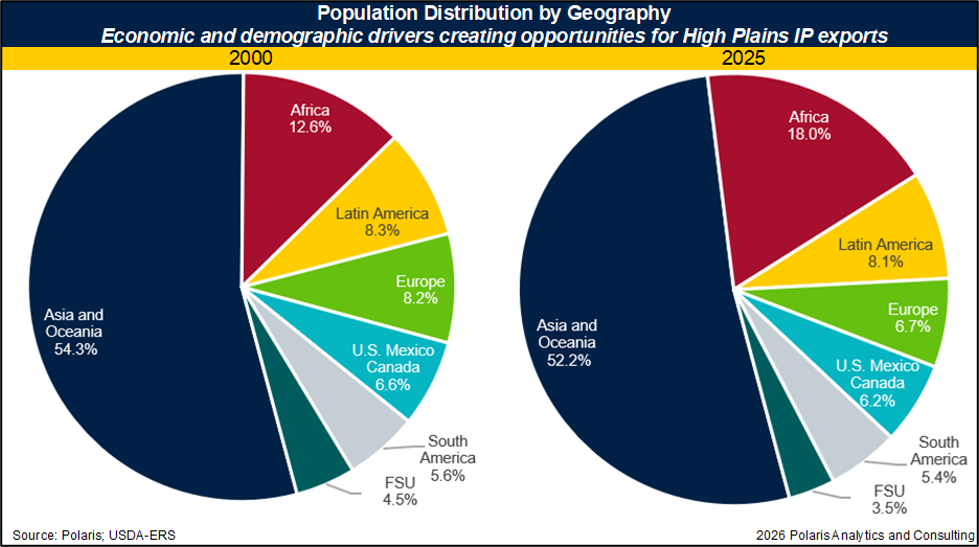
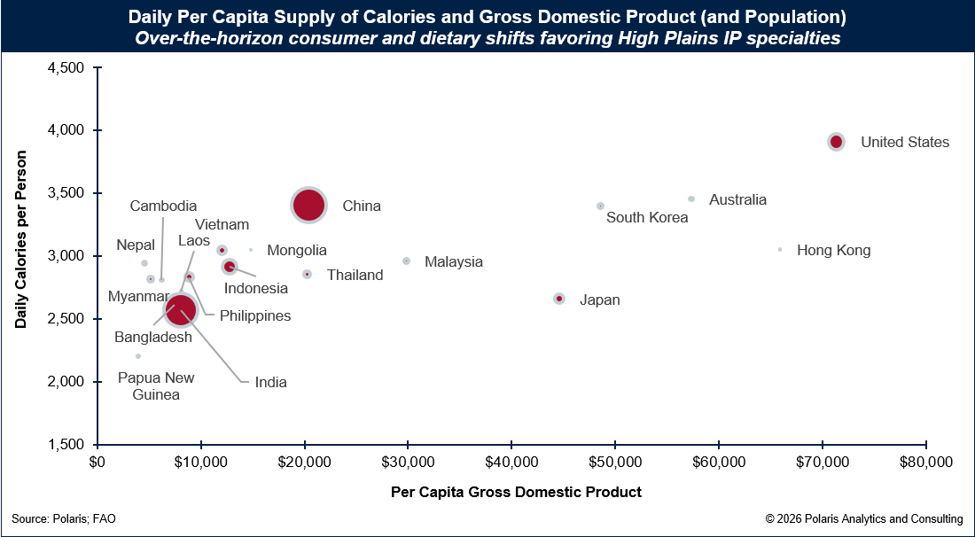
Macro trends provide strong tailwinds. Recent trends underscore Asia and Oceania’s projected 3.5% average annual GDP growth through 2029, with Southeast Asia leading at 4.4% and the U.S. growing 2.3%. Global population expanded from 6.3 billion in 2000 to 8.3 billion in 2025, accompanied by caloric and dietary shifts as incomes rise. Per capita daily caloric supply correlates closely with GDP, highlighting demand for higher-quality, nutrient-dense foods in emerging markets through traceable U.S. field crops.
Consumer demand, market opportunities and supply chain dynamics
Consumer preferences are shifting rapidly toward health, convenience, and sustainability. The rise of GLP-1 medications and updated dietary guidelines emphasizing higher protein intake (1.6–2+ grams per pound for muscle retention) are reshaping eating patterns faster than anticipated. Nicole Atchison, CEO of PURIS, observes: “GLP-1s have been very real and changing food patterns. With these consumers are shifting and changing dietary needs and wants.” This creates substantial demand for functional plant proteins that support lifestyle and weight management without major dietary overhauls.
PURIS innovates pea protein to be neutral, highly functional, and palatable, helping leading food and beverage manufacturers create high-protein products that are increasingly prominent at major retailers.
Atchison adds: “Consumer demand is shifting toward foods that support health and help people feel good. “””Our job is how to make pea protein fit into all products, add to and make it enjoyable and beneficial nutritionally while make it taste amazing.” The company’s vertical model—from proprietary seed to processing—delivers consistency that builds farmer trust and consumer loyalty.

PURIS’ newest innovation, H2-IZO, was developed to help address these challenges by improving pea protein solubility and enabling simpler ingredient systems across a range of beverage and dairy alternative applications.
“H2-IZO represents the next evolution of pea protein innovation,” said Tyler Lorenzen, CEO of PURIS. “Brands are looking for ingredient solutions that make it easier to develop products consumers enjoy while supporting scalable manufacturing and sustainability goals. H2-IZO helps address those needs by delivering improved functionality in a simplified formulation approach.”

Atchison said business remains strong despite challenges, with innovation driving value. “We started in 2015 when pea protein was mainly for pet food. Now we market it as taste neutral, clean and healthy.” Attracting growers involves highlighting rotation benefits, nitrogen fixation, and premium contracts: “It fits well with rotation and does great as a dryland crop. This allows the domestic value supply chain to be expanded while innovative efforts seek to keep acres.” With diminishing aquifers, pulses provide a key water enhancing tool. Organic segments show particular strength.

Market access depends on reliable supply chains. The United States Identity Preserved Alliance serves as “the leading voice for the industry that delivers traceable, high-quality, variety-specific field crops to food markets worldwide. Its members include producers, processors, suppliers and transportation allies whose work ensures integrity throughout the supply chain.” Its mission focuses on quality, stewardship, and innovation—core to sustaining premiums.
Transportation, however, remains the foremost obstacle. Gary Williams, director of transportation and regulatory affairs of the U.S. Identity Preserved Alliance, identifies it as the number one challenge for members: instability of sailings, frequent booking changes, and rolled containers lead to storage fees, chassis costs, and production disruptions. Transloading to maintain container availability risks food safety, custody, and IP integrity—issues from buyer quality assurance teams scrutinize closely. IP products destined to export markets often receive lower freight priority than imports, exacerbating competitiveness against Canadian advantages through a more favorable exchange rate. Industry advocacy targets federal agencies for greater transparency and accountability.
Williams again emphasizes the “Number one challenge is transportation for his members. This impacts market access and being competitive. Decisions are being made elsewhere and do not appreciate the opportunity and characteristics of USA exports.”
To help alleviate such transportation challenges, Tulsa Ports is developing an option for farmers in the High Plains to access global markets. The port has launched a unit train project to serve various industries with intermodal service connecting West Coast ports to and from Oklahoma and beyond. The unit train project is a $37.5 million effort that will serve intermodal trains that deliver containers between West Coast ports and Tulsa.
As part of the service, Tulsa Ports is promoting an “Ag-in-a-Box” campaign target these issues, offering intermodal services for IP crops—such as specialty grains, non-GMO soybeans, red sorghum, and premium wheats—to export markets in Asia through West Coast ports. According to officials at Tulsa Ports, this service will benefit farmers with direct market access, premium pricing, efficiency and product safety.
The unit train project is entering a critical phase with rail track about to be installed. The project is expected to be completed during late 2026 or early 2027. BNSF and WATCO will be the railroads serving the unit train operation and taking intermodal trains and IP grains in containers from the High Plains to export position on the West Coast.
These efforts align the 4-Rs +1 framework developed by Polaris for resilient agri supply chains:
- Reliable — Established integrated networks.
- Resilient — Multiple farm-to-market options.
- Resourceful — High volume and efficient throughput.
- Redundant — Flexible plug-and-participate systems.
- + Regenerative — Encompassing the supply chain are practices enhancing soil health, biodiversity, and long-term sustainability, as exemplified by pulse rotations, and fuel efficient and emission limiting logistics options.
Scenarios, innovation and strategic action
Looking ahead, optimistic scenarios unfold. Ongoing demand for proteins in the U.S. and strong Asia demand, combined with patent expirations on GLP-1s and generics in Southeast Asia, could dramatically expand protein demand. Regenerative attributes and domestic innovation (PURIS’ high-protein advancements) offset commodity headwinds.

Challenges include policy delays, transport volatility, and farmer economics but focused advocacy and vertical partnerships provide pathways.
Atchison stresses strategic execution: “We are building and feel like we are doing a good thing in the world.” PURIS’ focus on scaling while “playing to win” demonstrates impact. Williams and the Alliance push for transparency via federal agencies and elected officials.
Anchoring your future
High Plains producers can anchor their future by leaning into IP specialty crops and the 4-Rs +1.
At the horizon, evaluate rotations, contracts, and current infrastructure.
On the horizon, implement IP protocols and leverage projects like Tulsa Ports for efficient, traceable market access.
Over the horizon, anticipate GLP-1 impacts, U.S. domestic and Asia opportunities, and regenerative demands through continuous innovation and advocacy.
The U.S. Identity Preserved Alliance and partners like PURIS provide essential tools for integrity and competitiveness. In an era of volatility, those who invest in reliability, regeneration, and global connectivity will thrive. Anchor your future today, diversify strategically for sustained rural economic strength tomorrow
Ken Eriksen can be reached at [email protected].