State-By-State Hay Markets
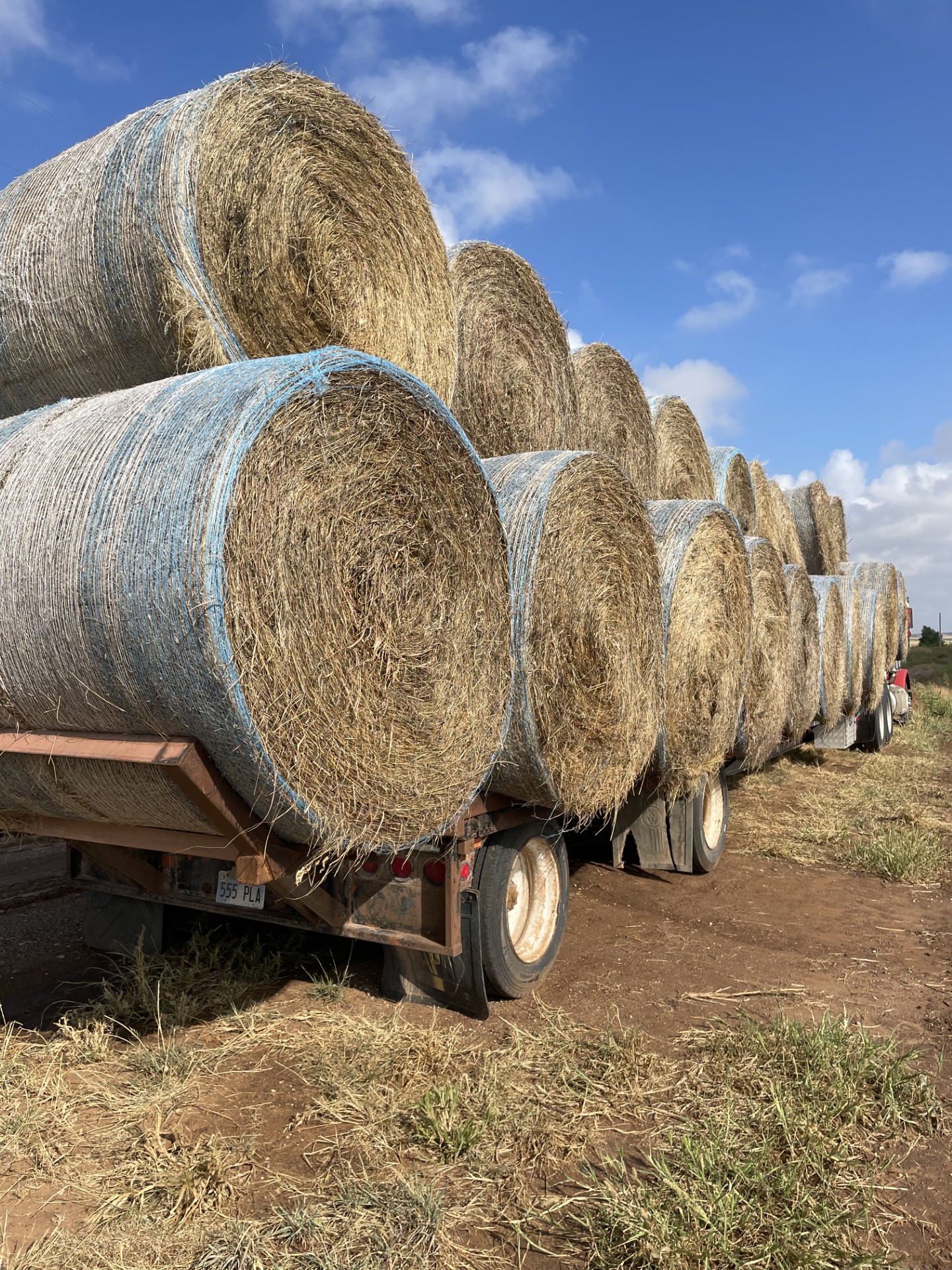
New Mexico—In June 19 report, compared to the last report, the hay market appeared steady to firm.
Colorado—In July 2 report, compared to the last report, Trade activity Moderate. Demand Good to Very Good on both old crop and new crop hay. Premium quality alfalfa hay and mixed grass hay small squares sold steady to $1/bale higher. Little movement reported on new trades in the feedlot and dairy hay markets. New crop activity picking up on new crop horse hay sales. The next available report will be July 16.
Missouri—In the July 9 report, The weather finally broke, and many gallons of diesel were burnt last week. One would have been hard pressed to find any hay equipment in the state that wasn’t being used. Although quality is questionable, moisture had kept undergrowth lush, and yields seem to be much more satisfying compared to what was being talked about by those few that managed to get any hay put up a month ago. Near 85% of the state is drought free, the SE remains in drought, but conditions have improved. Pasture conditions are rated 77% good to excellent and 20% fair which is quite impressive for mid-July. Hay demand is light, and supplies are moderate. Hay prices are generally steady. The Missouri Department of Agriculture has a hay directory at https://apps.mda.mo.gov/haydirectory or visit the University of Missouri Extension feed stuff finder at https://feedstufffinder.org.
Nebraska—In the July 2 report, compared to the last report, alfalfa in the east sold mostly steady. In the central alfalfa sold steady to $10 higher. In the west sold steadyto $20 higher on large square bales. Sun cured alfalfa pellets in the east sold $10 higher and dehy pellets in the Platte Valley sold steady. Ground and delivered hay steady. Interesting market this week as the west looks like its dollars a ton higher than places in the central and east but as you ship hay to the western side of the state from these areas the time it gets delivered the hay market is very similar. Some hay sellers said buyer inquiry has died down some in the last two weeks as spotty rain showers are aiding in the growth of summer grass pastures. Also, rain will help the meadow grass tonnage as that harvest is just around the corner after the 4th of July. Some feedlots or backgrounding lots are jumping in and trying to purchase all their bank account will allow as others are just hand to mouth in purchases. Some irrigation districts in the panhandle have finally turned irrigation water on and customers know they have limited inches of water this season.
Oklahoma—In the July 3 report, a lot of the same. Movement is still slow. The next report release will be on July 17.
Texas—In the July 10 report, compared to the last report, Hay prices and demand remain steady. The next available hay report will be July 24.
South Dakota— In the June 26 report, compared to last report, very good demand for all classes and qualities of hay, as drought conditions grip a very large region. Rains have been spotty, leaving many areas seeing little moisture at all which has greatly affected forage production. Cattle producers from western regions are in dire need of hay as grass is short and their hay crops look to be very limited. A large amount of wheat has been baled as growth was so poor across South Dakota. There were good rains across the central part of the state last week. Grass hay production is greatly diminished across a large section of the state. Second cutting of alfalfa underway East River, tonnage reduced in those dry areas.
Wyoming— In July 9 report, compared to the last report, hay prices fully steady. Demand was good. Most hay producers have been getting a lot of calls from all over the nation and are shipping quite a lot of hay out of state mostly in small squares. Some producers have been getting some irrigation water since the last report but total feet will be a lot shorter than normal. Spotty rain showers around the Powell area with daily reports of .10-.30 most days and it has been very hard to put-up top-quality hay in some areas from these daily rain showers. Tonnage was mostly light on the first cutting in most reporting areas.
Montana— In July 10 report, compared to last report(6-26-26): Hay sold generally steady to weak. The hay market is beginning to fully establish itself as producers finally have hay in the bale. Much of the new crop hay on this report has seen a shot of rain. Demand for feeder hay is good. Hay movement the past two weeks was active with many producers actively selling hay as soon as they can get it put up. Most ranchers are purchasing hay for winter needs as most have cows and calves turned out and are not feeding hay. New crop contracts have slowed as producers want to see how much hay they are going to be able to produce before they sell off more than they produce. Surrounding state hay prices have kept Montana prices in check, as producers are being forced to remain competitive with hay being delivered into the state. Hay is being delivered into Western Montana mostly from Washington and Eastern and Central Montana from the Dakotas for 225.00-250.00/ton depending on freight. Ranchers report that they are getting hay delivered out of Canada as well. Rains have been plentiful north of the border and heavy supplies are keeping prices very competitive. Much of the hay being brought into Montana out of Canada is $200.00/ton and under delivered. USDA freight assistance programs have also aided ranchers in bringing in hay from surrounding states. Timely rains have helped boost production yields as many ranchers are putting up their own hay and are less reliant on having to buy hay for winter needs. First cutting continues to be put up at higher elevations and 2nd cutting is underway in many locations in southern and eastern Montana. All hay listed in the report below is new crop hay unless otherwise notie According to the drought monitor 52.91% the state is in Moderate drought or worse, down 23.75% from 2 weeks ago. 20.58% of the state is in an Severe drought or worse, down 10.72% from 2 weeks ago. 0.61% of the state is in Extreme drought or worse, down 5.80% from 2 weeks ago. 0% of the state is in Expectational drought, unchanged from 2 weeks ago. Notably, 85.90% of the state is abnormally dry, unchanged from 2 weeks ago.