If I were to tell you I met a couple from Hollywood that have careers in media while I was in Brush, Colorado, for Independence Day, your first thought might not reflect how this really played out.
Seth and Charlie come from very unique backgrounds. Seth is from New York, Charlie is from the United Kingdom and so we have two city slickers in the midst of about 3,500 Colorado-area people at the rodeo, but nobody had a better appreciation for the ranching culture than these two.
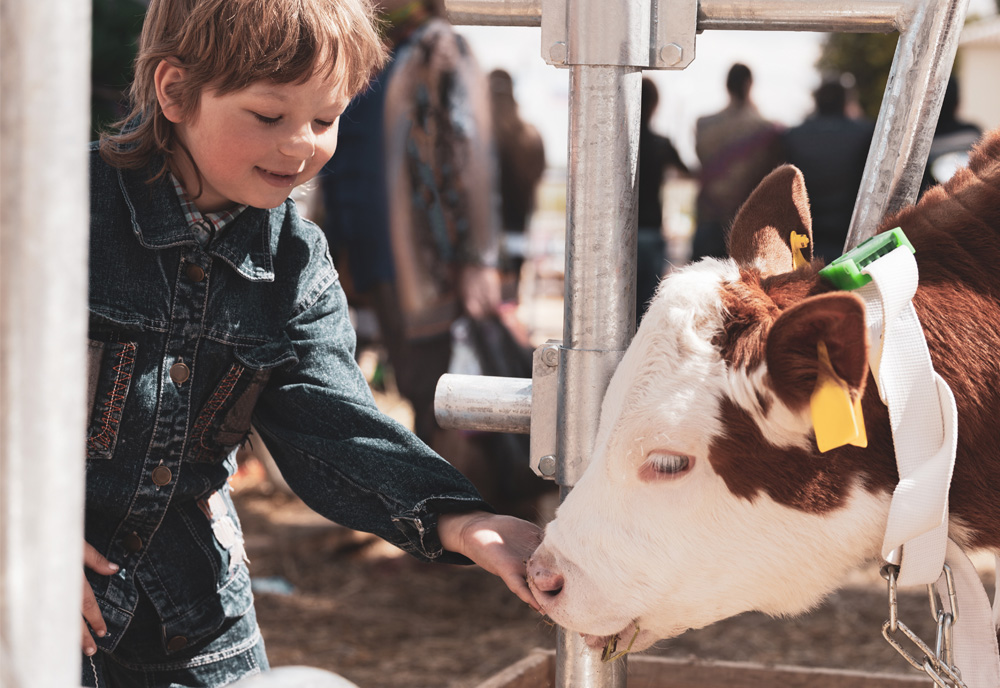
It turns out that they have now authored four books in the theme of Ranch Raised Kids, from the kids’ perspectives. They interview the kids and do not let parents interject or influence the kids in any way. The photography skills these two have are absolutely incredible. They have been commissioned by different cattlewomen’s organizations to spend four to six months residing in each respective state, immersed in the culture with ranch families and bring the story to life in the form of a book. The next book, set to be released this fall, will focus on kids in South Dakota.
I want you to meet Seth and Charlie “as they see themselves” in this endeavor so I am going to share with you what they have written on their website, RanchRaisedKids.com.
Seth Joel and Charlie Holland are professional photographers based in Los Angeles. They have enjoyed a long marriage and successful career as Seth Joel Photography. This project, Ranch Raised Kids, was inspired by the amazing children that they met in Arizona—kids who proudly represent the ranching lifestyle and show the good manners, cowboy-ing skills and hard-working attitude that the community values.
Seth’s portraits capture beautiful moments in the life of a child raised on a ranch, and the images shot through his honest and empathetic lens show the reality, not the myth, of contemporary ranching. Through the kids’ thoughtful words we all understand a little more about this unique traditional lifestyle and see how ranching practices are being modified to produce beef more efficiently in the C21st.
Seth and Charlie are easy to spot as the people who are ‘not from around here’ at rodeos, calf sales, round ups and ranches. They are thrilled and humbled by the experience of photographing and interviewing Ranch Raised Kids. They learn something new from every kid, every day, on every ranch.
As I think about my lifetime in farming and ranching, there have been big swings in the thought process of farm kids and their parents. In the 1980s, parents across the country told their kids to go to college and get a degree so they could get a job that pays better than one on the farm. Fortunately, that was not my experience as my parents were supportive of me following the passion they helped to instill in me for agriculture.
About 10 years later, the worm turned and kids decided they needed to get a trade school education and put it to work on their family operation. At some level, that still exists today because the trade schools are doing a fantastic job. However, in July 2026, we are at a spot where inspiring the kids to come back is our second priority because our No. 1 challenge is to ensure they have something to come back to.
If you really listen to the kids today, most of them want the lifestyle they grew up with as kids. And clearly that is my perception of what they want, but maybe the beauty of the concept that Seth and Charlie have put together is that we do need a couple of outsiders to really listen to what our kids think about being ranch raised instead of letting us old folks plant ideas in their heads.
We need the best and brightest to be the future stewards of our natural resources and providers of food for the world and we also need the right and ability to keep the land in food production. We’ll need the good ones to make sure that happens too.
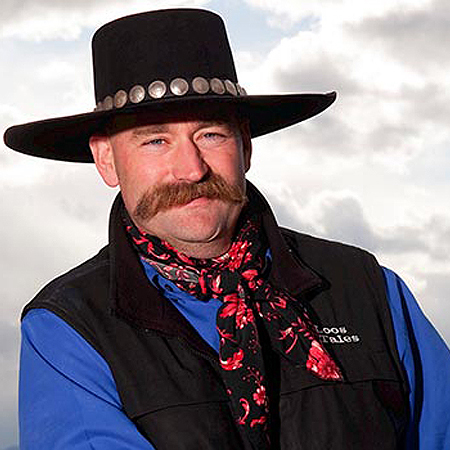
Editor’s note: The views expressed here are the author’s own and do not represent the view of High Plains Journal. Trent Loos is a sixth generation United States farmer, host of the daily radio show, Loos Tales, and founder of Faces of Agriculture, a non-profit organization putting the human element back into the production of agriculture. Get more information at www.LoosTales.com or email Trent at [email protected].