25 years after 9/11, their service continues
Twenty-five years ago, America changed in a single morning.
On Sept. 11, 2001, we watched smoke rise from the World Trade Center and the Pentagon, learned of the extraordinary courage of the passengers aboard United Flight 93 and mourned people we had never met as though they were our neighbors. Across the country, young Americans also made decisions that would shape the rest of their lives. They volunteered to serve.
Some were still in high school on 9/11. Others were in college, beginning careers or starting families. In the years that followed, they left hometowns, farms, schools, and loved ones for Afghanistan, Iraq and places most had previously known only from maps. Many would deploy more than once as part of an all-volunteer force that carried the burden of more than two decades of war.
The war in Afghanistan began with a mission to dismantle Al-Qaeda and deny terrorists the sanctuary from which they had attacked our country. Operation Enduring Freedom became part of a 20-year conflict, America’s longest war. Iraq followed in 2003. Missions changed, operations were renamed and national objectives evolved, but behind every military operation were people and families whose lives were forever changed.
There were soldiers missing Christmases and birthdays, Marines leaving newborn children for deployments, National Guard members stepping away from civilian careers and military spouses holding families together while someone they loved served thousands of miles away. There were parents who worried whenever the telephone rang unexpectedly. Most painfully, there were families whose loved ones never came home.
Thousands of American service members lost their lives in Afghanistan and Iraq, and tens of thousands were wounded. Many others returned carrying injuries that could not easily be seen, including traumatic brain injuries, post-traumatic stress, the effects of toxic exposures, and memories of friends who did not return with them. For some, returning home brought another challenge: Determining what came next after years of belonging to a team, fulfilling a mission and knowing others depended on them.
For many veterans, part of that answer has been found in American agriculture. I have seen what happens when veterans discover farming and ranching and recognize that the qualities they carried through military service—discipline, perseverance, leadership, adaptability, and responsibility—also have a place in agriculture. There is something powerful about planting a seed knowing someone will eventually be fed because you cared for it. There is purpose in caring for livestock, repairing a fence before sunset or watching a crop emerge from soil prepared with your own hands.
At the Farmer Veteran Coalition, we have the privilege of seeing that purpose every day. Our members raise cattle and bison, grow fruits and vegetables, keep bees, produce specialty crops and build agricultural businesses across the country. Their farms are as different as their military experiences, but many share something important: the desire to continue contributing to their families, communities and country.
That commitment matters, especially in rural America. Many communities that sent their sons and daughters to serve after 9/11 now face challenges including disappearing farms, aging agricultural producers, declining populations and fewer economic opportunities. Veterans who choose agriculture bring leadership, determination and entrepreneurial energy to these communities while helping strengthen the future of our nation’s food system.
Twenty-five years after 9/11, our obligation to this generation did not end when the wars did. Veterans need access to healthcare, education, agricultural training, land, capital, mentorship, and markets that can help them build sustainable businesses and secure futures for their families. Helping veterans succeed in agriculture is more than thanking them for what they have already done. It is an investment in what they can still accomplish and in the future of American agriculture.
On this anniversary, bells will toll, flags will be lowered and the names of those lost on Sept. 11 will again be read aloud. Families will gather at memorials, and Americans will remember where they were when the world changed. But remembrance should also compel us to remember the generation that answered that day with courage and service
Today, many of those veterans begin their mornings caring for livestock, walking fields, checking crops, running businesses and providing for families and communities that depend on them. Twenty-five years after 9/11, their commitment to America remains rooted in the values that first called them to serve. Across farms and ranches throughout this country, they are writing another chapter of that service—caring for our land, strengthening rural communities and helping feed the nation they pledged to defend.
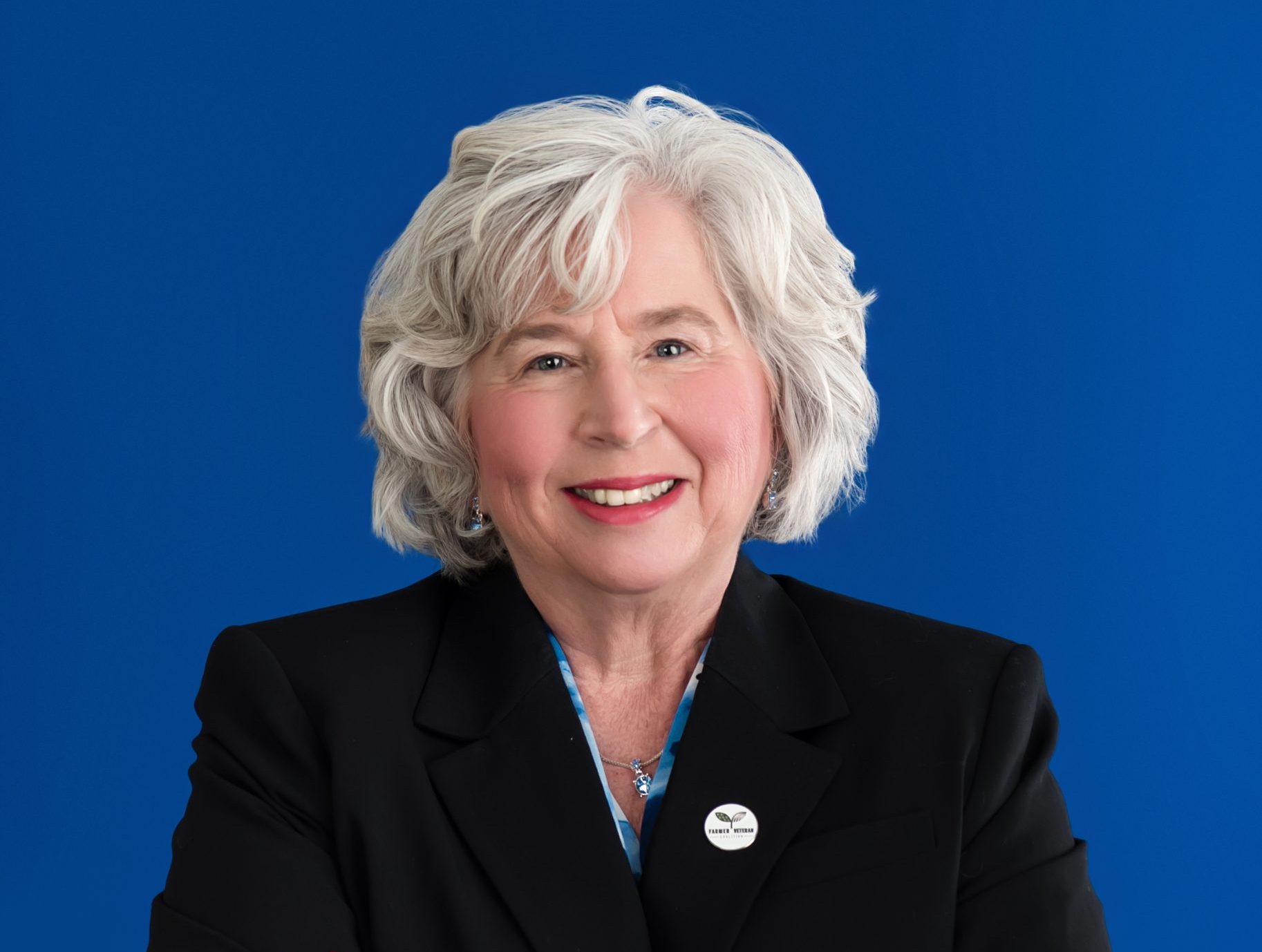
Jeanette Lombardo is CEO of the Farmer Veteran Coalition.