Senate agriculture committee passes farm bill
With the return of U.S. Sen. Mitch McConnell, R-KY, the Senate Agriculture Committee was able to advance its version of a five-year farm bill on a party-line vote Sept. 16.
What happens next is anyone’s guess. Senate Majority Leader John Thune will need to schedule the bill for a vote.
U.S. Sen. Roger Marshall, R-KS, a member of the committee, believes there will be a vote this year. It will need 60 votes to pass the Senate.
The legislation includes year-round E15 and five years of certainty for farmers. It builds on $65 billion in crop insurance funding that was part of the One Big Beautiful Bill Act, signed into law in July 2025, with higher reference prices, as well as 22 priorities requested by Kansas farmers, he said.
The farm bill would address other matters over a five-year period. The last farm bill was passed in 2018, and since it expired, Congress has extended it with one-year resolutions.
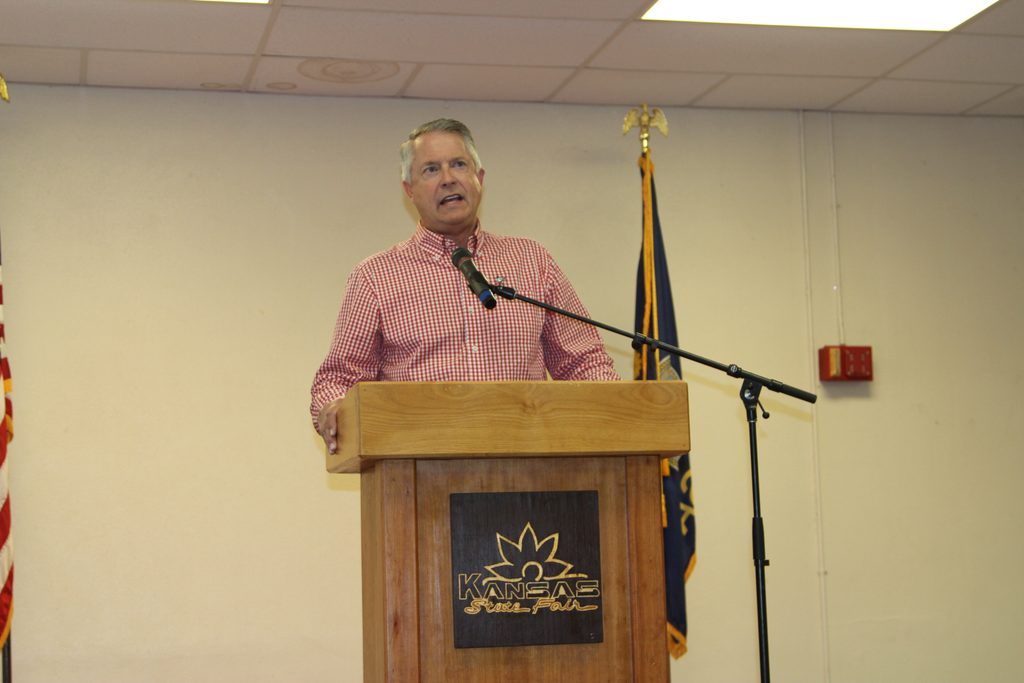
During a call with the media Sept. 17, Marshall said the sticking point appears to be a dispute over the Supplemental Nutrition Assistance Program. Both sides agree a 6% error rate is a reasonable goal, he said. However, Democrats want additional time to reach 6%. Marshall said the U.S. Department of Agriculture defines the compliance number as an error rate, but he calls it a measure of fraud.
The SNAP figure was tied to the OBBBA, also known as the Working Families Tax Cuts Act. Marshall said when he first served on the House Agriculture Committee, the SNAP budget was $80 billion and is now $150 billion. The USDA helps low-income families, and those programs allow schools to offer free breakfasts and reduced-price lunches, for example, and he supports those programs.
Kansas had traditionally been at 5% in its SNAP error rate, but its rate had climbed in recent years to about 12%, he said. Kansas is working to meet compliance by the fiscal year 2028 deadline, he said. States out of compliance initially by October 2027 would have to shoulder more of the costs. The GOP, in its draft, has proposed adding another year, and Democrats have asked for a longer extension.
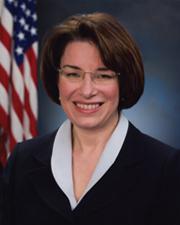
Ranking Member Amy Klobuchar, D-MN, said the sticking point was the inconsistency of the policy. She said some states, like Alaska, that had higher non-compliance rates were granted grace period while other states that were steadily improving were given a hard deadline. Alaska, in effect was given a two-year delay when its error rate was 23%, but Minnesota and other states that were at 12% were not given the same delay.
Thune, from South Dakota and a member of the ag committee, said the one-year extension, which he said was reasonable, could save states up to $17 billion, and his advice was that all senators needed to find out the status of each of their states. While the farm bill encompasses SNAP, he said it is called a farm bill because it is to address the needs of farmers and ranchers.
Food assistance programs have historically been included in the farm bill, and Marshall said he did not favor splitting them out of the farm bill, because it is built on the principle of bipartisanship.
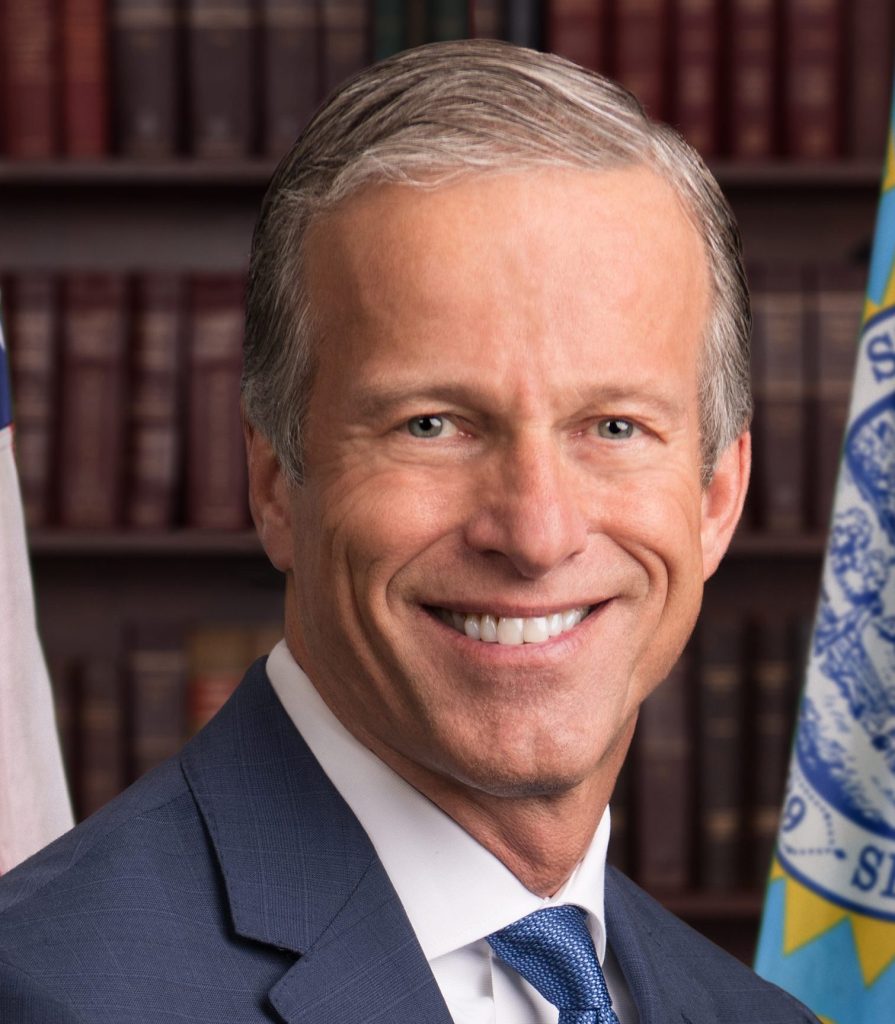
Klobuchar said will continue to work toward a bipartisan ag bill. She recognized that farmers and ranchers have suffered under headwinds of President Donald Trump’s tariff policies, the closing of the Strait of Hormuz and high fertilizer prices have him them hard.
She added that people across the country have also been affected by tariffs. Several notable studies said tariffs added $1,800 to their cost of living in 2025 and is expected to hit $2,500 this year, particularly with tariffs that Canada began to impose in September in retaliation to Trump’s tariffs.
“It’s critical that we stand up for them too and that’s why we (Democrats) think it’s critical that we stand up for them, too,” she said.
Senate Agriculture Committee Chairman John Boozman, R-AR, said it was time to move a bill to the full floor.
“Farm country is hurting and needs results now,” Boozman stated in a news release. “Advancing this bill out of committee is a critical step forward getting a fully updated farm bill signed into law. While this is clearly welcome progress, we need our colleagues’ votes to reflect the urgency of supporting farmers, ranchers, forest landowners, and rural communities. I will always stand with the families who feed America and the world. They continue to have my commitment on getting bipartisan Farm Bill 2.0 across the finish line.”
U.S. Sen. Michael Bennet, D-CO, a senior member of the Senate Agriculture Committee, said he opposed the bill because it did not go far enough to help farmers and ranchers.
“Farmers and ranchers want certainty, strong markets, and a safety net they can rely on. The question we need to ask is whether this bill makes it more likely they can stay in business five years from now. At a time when Colorado producers face rising costs, shrinking export opportunities, extreme drought, worsening wildfires, and growing pressure just to make a living, I do not believe this bill does enough.”
U.S. Sen. Jerry Moran, R-KS, a member of the committee, said in a statement that besides year-round E15, the bill also modernizes farm loan limits, strengthens conservation programs, expands trade promotion and transfers the Food for Peace program from the State Department to the U.S. Department of Agriculture.
“When farmers are successful, rural America is successful,” he said. “I will continue working with my colleagues to get this farm bill across the finish line and to the president’s desk to be signed into law.”
The CRP Improvement and Flexibility Act increases flexibility for livestock grazing on conservation land, he said. It also adds money to help rural hospitals.
Marshall said the Senate bill also provides money for the ReConnect Program, which builds out high-speed internet across rural America, and puts a priority on healthy food choices in SNAP. Under USDA direction, many beneficial food programs help Americans of all ages.
Marshall also believes it is important to have a bipartisan farm bill. He said he and Bennet had field hearings in both states about challenges producers faced, including water issues. He said legislation to increase domestic fertilizer production was the result of lawmakers from both sides of the aisle working together.
Dave Bergmeier can be reached at 620-227-1822 or [email protected].