USDA is cutting red tape, not standards, on farm and ranch loans

When farmers and ranchers need access to affordable credit, timing matters. For instance, sometimes equipment needs to be replaced, or there’s an opportunity to pick up some ground, or the market is just right to increase the herd.
But if a producer doesn’t have quite enough capital to close the deal, spending three months wading through mounds of paperwork to secure financing can seem like more trouble than it’s worth. I can relate, as I’m a farmer and have been there myself.
That’s what we’re working hard to fix at the Farm Service Agency. Effective Oct. 1, we’re changing our lending practices for the better by simplifying steps and reducing paperwork for qualified applicants. Whether you borrow directly from FSA or we guarantee a loan through an approved commercial lender, these improvements in our lending process mean quicker decisions on financing when you need it most.
One of the most significant changes is making the Application Fast Track process permanent. This process gives certain low risk direct loan applicants with a proven track record of repayment a faster path through the loan approval process. By reducing unnecessary bureaucratic hoops that producers have had to jump through for years, we free up valuable time for FSA staff, who can better focus on the needs of our borrowers. After we initially piloted the Application Fast Track in 2023, the results were clear. About 23% of direct loan customers qualified for the faster process, and on average, their applications were processed eight days faster.
If you’re waiting to buy equipment, cover operating costs, or make an important investment in your ag operation, eight days can represent a lifeline. Our lending improvements also help agricultural producers who work with private lenders. To provide guaranteed loans, FSA partners with banks, credit unions, farm credit organizations, and other commercial lenders. In essence, the lender makes the loan, while FSA guarantees a portion to offset some of the lender’s risk.
Thanks to this administration’s commitment to common sense governance, lenders with a strong record of working with FSA and meeting our requirements can now handle more of the review process themselves. As a result, we are able to process those loan guarantee requests much more efficiently, again setting up borrowers for success instead of delays. Also, beginning in early 2027, lenders will be able to submit guaranteed loan applications electronically, if they so choose. Similarly, the U.S. Department of Agriculture will be able to send notifications electronically instead of relying on an antiquated manual process, finally bringing federal systems into the 21st century.
To be clear, we are not loosening our requirements or otherwise adjusting our lending standards. Applicants still have to meet the same rigorous qualifications that ensure taxpayer dollars are being put to good use. But at the end of the day, we know there is a producer waiting on the other side of the application whose livelihood and way of life might depend on receiving an answer before time runs out. It’s our job to efficiently provide that answer, so that they spend less time waiting and more time doing what they do best—feeding, fueling and clothing America and the rest of the world.
If you think an FSA direct or guaranteed loan might help your operation, come into your local county office and sit down with us. We’re happy to talk through your situation and the resources the U.S. Department of Agriculture has to offer. Under the bold leadership of President Trump, we are protecting the men and women who farm and ranch in America, one loan at a time.
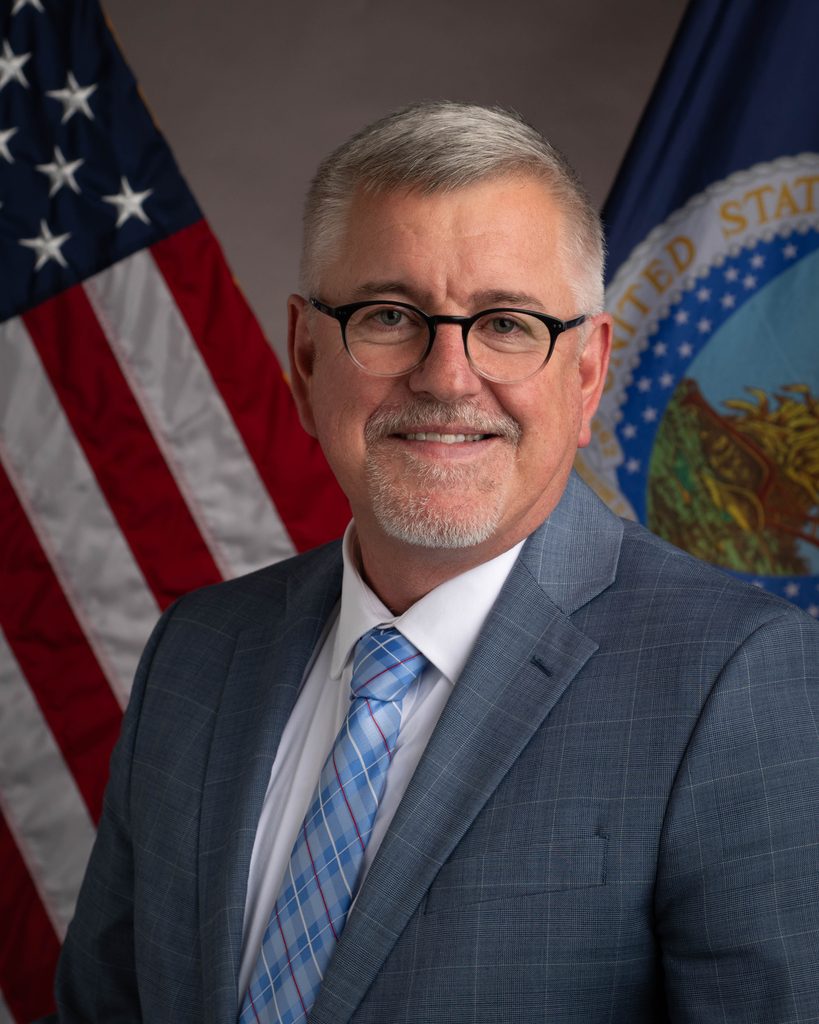
Richard Fordyce is the USDA under secretary for farm production and conservation.