Rural Development continues to meet its mission

The U.S. Department of Agriculture’s undersecretary for Rural Development said the agency continues its legacy of helping farmers, ranchers and communities.
The early years of Rural Development focused on the daunting task of providing electricity to farms and ranches, said Under Secretary for Rural Development Glen R. Smith. Today, Rural Development continues to deliver modern infrastructure, affordable housing and economic opportunities for rural communities. Clean water, reliable power, broadband connectivity, health care facilities, emergency services and affordable housing all play a part in helping local economies to grow.
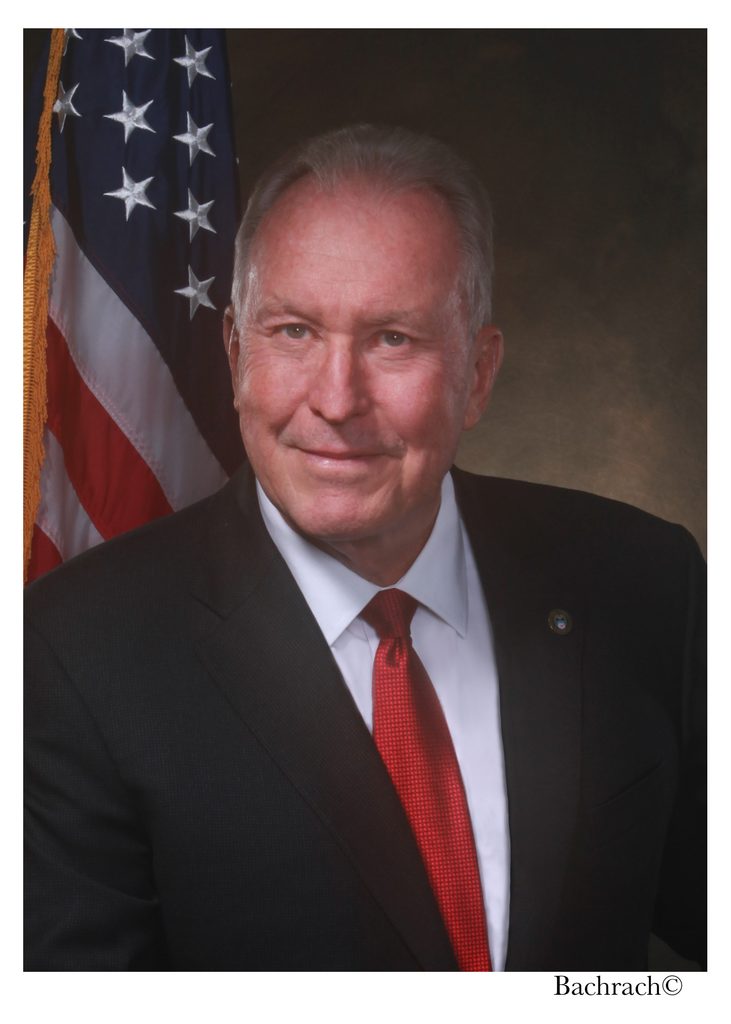
Smith was born and raised in Iowa and has farmed for more than 50 years, growing soybeans, corn and hay. He also founded Smith Land Service Co., an agricultural service company specializing in farm management, land appraisal and farm brokerage. He most recently served on the Farm Credit Administration board of directors and was appointed chairman by President Donald Trump, serving in that role from 2019 to 2022. He began his duties with Rural Development in August.
Since starting his new role, Smith has visited about eight to 10 water treatment plant projects.
“Water systems, those are critical for a rural community to grow,” Smith said.
Without infrastructure and utilities, such as wastewater and water systems, rural communities face difficulties, he said. Rural Development works with state and local entities to improve those conditions.
Rural Development has invested nearly $25 billion in loans and grants in fiscal year 2026, which concluded Sept. 30, Smith said. A USDA news release outlined the agency’s investments:
Rural Development reported investments in the following areas in fiscal year 2026:
Water and Environmental Programs: Rural Development invested $1.3 billion to build and repair water and wastewater systems, protecting public health and supporting economic growth in small towns nationwide.
Electric Programs: Rural Development invested $9.7 billion to enhance the reliability and affordability of rural electric infrastructure.
Telecommunications: Rural Development invested $267 million to expand Internet access to rural households, farms, businesses and community institutions.
Community Facilities: Rural Development invested $897.8 million to build and improve hospitals, fire stations, first responder equipment and other essential community facilities.
Business Programs: Rural Development invested $1.8 billion to support rural small businesses, value-added agriculture and job creation through loans and grants that strengthen local economies.
Housing Programs: Rural Development invested $10.9 billion to help rural families achieve safe, affordable homeownership and to support the development of affordable rural rental housing.
Disaster Recovery: Rural Development invested $100.5 million to help rural communities rebuild critical infrastructure following natural disasters.

Smith said those investments mirrored the agency’s success in 2025, which he credited to President Donald Trump’s leadership.
Much work lies ahead, Smith said, including continued support for high-speed broadband expansion, particularly in rural areas where technology is critical to farmers and ranchers.
Farmers and ranchers use precision application technology in many aspects of today’s operations. Early adopters began using global positioning systems in their equipment, and precision application technology allows farmers to plant seeds and apply fertilizer in ways that minimize waste and increase efficiency, Smith said.
During testimony before the U.S. Senate, Smith said the Rural Electrification Act of 1936 transformed rural communities by bringing electricity to farms and ranches. Rural Development continues to support that essential mission.
“I put broadband in that same category,” Smith said. “For communities and businesses rural broadband puts them on the same plane with global competition and for our schools to be successful we need it.”
Smith remains optimistic that at least $25 billion will be included in the 2027 Rural Development budget to cover all its programs. Senate leaders have continued to show bipartisan support for the agency’s work. Senators understand costs continue to rise and believes there is bipartisan support for increasing the budget to meet those needs, he said.
“When we work together, it really works; it doesn’t matter where you’re at—rural is rural,” Smith said.
Rural Development is making improvements that will ultimately benefit program participants, he said. One finding in the past year was that Rural Development relied on what Smith termed “old legacy IT” that was time-consuming and inefficient for department employees and customers. His experience as a farmer and businessman taught him that customers should come first and should expect to speak with someone who can answer their questions.
“We are adopting a new IT platform that should significantly deliver to stakeholders that are applying for loans or grants,” he said. “We are optimistic we can make great headway next year.”
Smith expects the new platform to be fully implemented in 2028. The decision reflects the administration’s desire to improve service in rural areas and customer service in the process.
“No one wants to be put on hold, and I hope we can deliver on that promise because that’s important to me,” Smith said. “There is a right way to treat people. We love to see people move ahead based on merit. Hard work will get you ahead, and that attitude and work ethic I bring with me every day.”
Dave Bergmeier can be reached at 620-227-1822 or [email protected].