By now you have heard about the announcement that Vice President JD Vance made while speaking in North Platte, Nebraska, on Oct. 22.
The U.S. Department of Agriculture is gifting another $1.3 billion, this time to domestic “fertilizer” manufacturers. First off, no one should argue with the fact that we need to be self-sufficient in as much as possible. Clearly, we have become dependent on far too many of our inputs, so the motive is applauded.
The approach and application are; however, ridiculous in cost and feasibility, in my opinion. From the stage, Vance named one of the eight businesses that will be gifted the largest payment: Talus Renewables. A quick dive shows it only focuses on the carbon-free production of green ammonia and that is where this story takes a turn.
I knew nothing about green ammonia before researching Vance’s statement.
I watched a video of the founder of Talus Renewables where he said, “It takes a lot of power to make this happen.” The process involves captured nitrogen from the atmosphere and water. The company uses power to separate the hydrogen from the oxygen in the water and blend the two together to make green ammonia for fertilizer. Quick research shows the power requirement amounts to 12 megawatts per ton of fertilizer produced.
I don’t know what you are paying for electricity, but in Nebraska we will use the number of 12 cents per kwh. There are 1,000 kilowatts in a megawatt so math says just the electricity cost of making green ammonia is $1440 per ton. We have been complaining about $1,000 a ton fertilizer and now government subsidies are embracing fertilizer that costs $1,440 per ton just for the electricity to manufacture it, in my opinion.
Here is the other part of the story. The company plans to use only wind and solar for its sources of energy. There is data that reports the cost of solar is between three to seven times more expensive per unit of power than power generated from natural gas or coal. If you look at the subsidies given to solar, you could argue that the cost is only double what the cost of gas or coal would be, but the U.S. taxpayer is still footing the bill.
I believe the best short summary comes from Norman Rogers who writes about energy and is the author of the book Dumb Energy:
The Higgins plant can provide about three times as much electricity at a fifth the cost per megawatt hour compared to the Gemini solar plant. It works day or night whether or not it is cloudy. It requires 66 acres of land, not 7100.
The U.S. is only responsible for about 12 percent of world CO2 emissions and the U.S. electric power industry is only about 3 percent. U.S emissions are declining due to increased use of low carbon natural gas. China and India emit 3 times as much CO2 as does the U.S. and their emissions are skyrocketing.
I found, in the IRS Tax Code, that the Inflation Reduction Act created a new set of tax credits which were modified by the Big Beautiful Bill, but somehow green ammonia production still qualifies for the 45V Tax Credit.
The primary federal incentive for green ammonia is the 45V Clean Hydrogen Production Tax Credit, which provides up to $3 per kilogram of clean hydrogen produced. Since producing one ton of ammonia requires approximately 180 kg of hydrogen, this credit translates to several hundred dollars per ton of ammonia, effectively bridging the cost gap between green and grey ammonia in supported markets.
To qualify for the maximum credit, producers must demonstrate a lifecycle greenhouse gas emissions intensity of less than 0.45 kg CO2e per kg of hydrogen. The credit value is further multiplied by five if the facility meets prevailing wage and apprenticeship standards. While the 45V credit applies to the hydrogen input, green ammonia projects may also leverage 45Q tax credits for carbon capture and sequestration if applicable to their specific production process.
I grew up in the 1980s and we believed if you invest, work hard and have a good dose of luck, you could live the American Dream. When did the American Dream get hijacked by attorneys who know how to search the welfare state and receive tax money from hard working people to create a free-for-all for an elite subclass carefully handpicked by the government?
The real Americans need to take back their dreams and help put a stop to the nightmare created by big government.
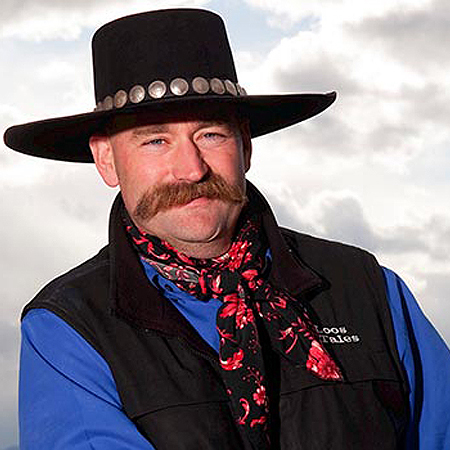
Editor’s note: The views expressed here are the author’s own and do not represent the view of High Plains Journal. Trent Loos is a sixth generation United States farmer, host of the daily radio show, Loos Tales, and founder of Faces of Agriculture, a non-profit organization putting the human element back into the production of agriculture. Get more information at www.LoosTales.com or email Trent at [email protected].
PHOTO: Tractor spray fertilizer on green field. (Photo: iStock – moiseXVII)