Character building opportunities out there if you recognize them
I’m a sucker for history. Old buildings with their ornate facades, gigantic windows, and brick coverings do something for my soul. Same with biographies and family history. While I’ve never done any of my own research on family history, I cling to what I do know and tell anyone when I get the opportunity.
Being a writer, surprisingly I’m not one to sit down with a book on a cloudy or rainy afternoon, but I will read something a little shorter online. But lately it’s been videos on social media that get my attention. There was a reel on Facebook recently that featured legendary rodeo announcer Bob Tallman. Look him up. His voice is iconic.
He was on the Let’s Freakin’ Rodeo podcast at the end of October, and the clip of Tallman talking about his childhood and how he was raised in Nevada was worth watching. The 79-year-old rodeo announcer has been at it for most of his adult life and recently faced some health issues and had to scale back announcing. In this video his thoughts of yesteryear struck a chord with me.
“You were judged by or attained your character by your accomplishments. You built character by being honest. You built character by working hard,” he said.
Cowboys back then were paid nominal wages—$30 to $60 a month, Tallman said. In modern times, those cowboys who perform day work for farms or ranches only make a couple hundred dollars, depending on the situation.
“You do it because you can stand the loneliness, but appreciate the silence,” he said.
Tallman said his Italian mother would butcher chickens when he was a child, and his job of chopping off heads, wasn’t a fun one, but it taught him something at a young age. He can appreciate it now the work ethic that was instilled in him, and the sense of accomplishment of a job well done can bring to a person.
“Character—how you were raised, where you were raised—makes all the difference in your character. Your grandparents, your parents, your brothers, your sisters—how they act reflects on you,” he said.
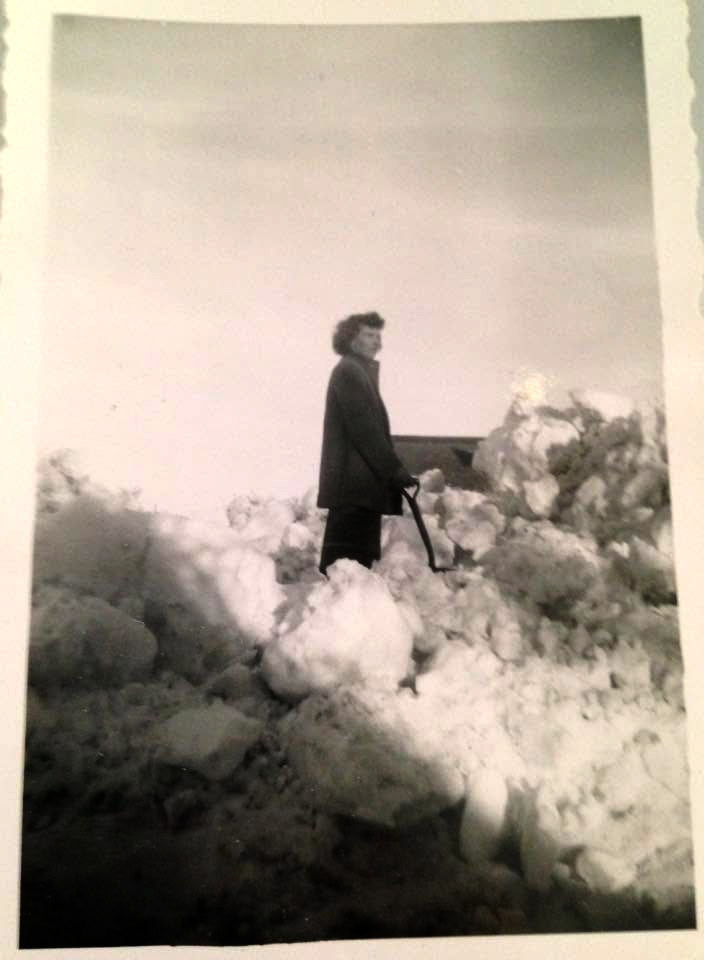
Tallman’s thoughts got me to thinking about my own history. My grandmother Orebaugh was frugal and saved and reused many things. One of my fondest memories of her was how she always had her hair curled and covered whenever she went outside. She always wore heels and when she had to be away from the house and outside, she had her galoshes on. The black, five-buckle overshoes were the style worn back then.
There was one time she was tasked with picking tumbleweeds out of the barbed wire fence in the pasture. She packed us girls up in the car and off we went. She tucked many of the tumbleweeds in the trunk of her car, yes car. I’m not sure what she did with them once we got back to the house, but I can still picture her with her kerchief on over her hair, her long coat covering her dress paired with her galoshes tossing tumbleweeds out of the fence. Of course, she let us drive the car once we got too cold. “Keep it straight and don’t go fast,” she ordered. You didn’t dare disobey her or Grandpa Roy.
My husband’s grandma Pauline was much different than my grandmother. She was the ultimate host. I remember every holiday I spent around her she had all her decorations out and always set the table like she meant it. The good Christmas dishes and pretty glassware. Heck even on an ordinary day, she offered a sweet treat and a cold drink on real dishes. She loved being around people and talking about what was going on in their world. What my Orebaugh grandparents lacked in affection; grandma Pauline made up three-fold.
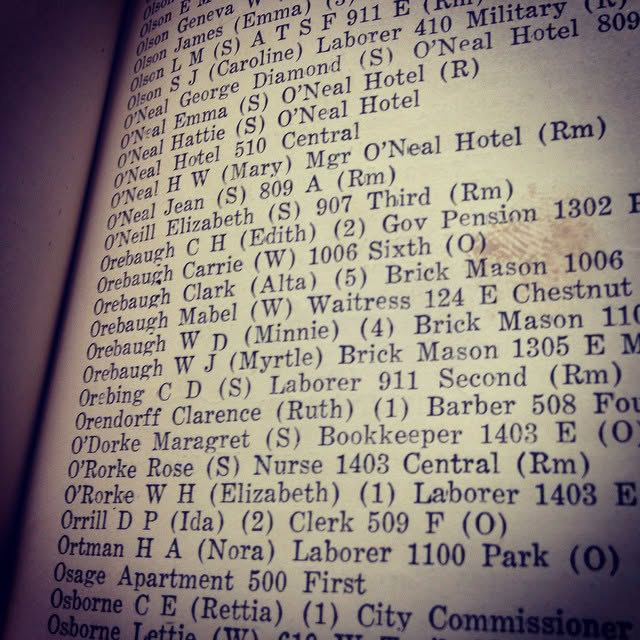
I see people who still have all their parents and grandparents and think to myself just how lucky they are. My paternal grandparents were killed in a car accident in 1988 and my great grandparents on that side were gone before I was born. However, I still cling to the fact that once upon a time, the Orebaughs in Dodge City were brick masons, and the brick streets in downtown town had some of those bricks either made by or laid by an Orebaugh, even though they might have been a cousin and not a direct relative. It’s still a part of our family history.
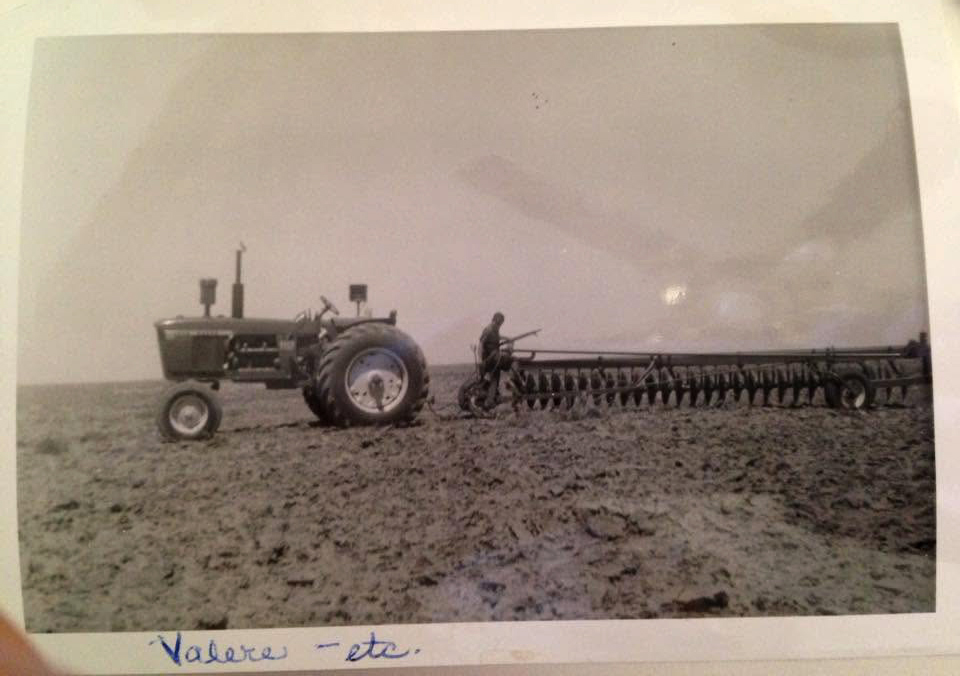
To me history and tradition go hand in hand. In the agricultural world that sentiment rings true too, and on the cowboy side of things even more so. Many cowboy traditions are rooted deeply in how the generations before did them, and like Tallman said, character was how and where you were raised.
Another one of those videos that caught my attention featured one of my favorite singers, Evan Felker of the Turnpike Troubadours. Felker has roots in ranching and cowboying as well as music. He said in the western world as well as songwriting, it’s important to be your authentic self.
“Because there’s not a lot of room for people that are pretending in this world, even though you see so much of it,” he said. “But if you actually go somewhere and work with someone, they’ll see through you in a second.”
Felker said being around ranches and working can be a humbling experience for some people.
“You really have to accept what level you’re at,” he said. “You might have yourself built up in your head, but you’re really only capable of what you’re capable of at that exact moment. To be capable of more you have to put in the work.”
That all changes when the work is done, and a person knows more and can handle the pressure of a job. We need more people who know how to work hard and get their hands dirty. We need more people who are willing to teach the job that needs done too.
Kylene Scott can be reached at 620-227-1804 or [email protected].