(Photo by Aleksandr Dovianskii via Vecteezy.)
If a time machine transported us back to the feedlots of the 1960s and early 70s, one thing would stand out compared to the industry today: We are producing enormous cattle in comparison to 50 years ago. According to National Beef Wire, the average fed cattle live weight in January 2026 was 1,464 pounds—the heaviest in United States history.
Ty Lawrence, professor of animal science and director of the Beef Carcass Research Center at West Texas A&M University, said the shift to heavier carcasses started in the mid 70s. Before the weights started trending upward, fed cattle averaged about 1,000 pounds, Lawrence said. He said now it’s not uncommon to see individual animals weigh over a ton and outgrow the pen by a longshot.
“Cattle are gaining at least 5 pounds a year in carcass weight,” he said. “That’s the trend with modern growth and there’s no downturn that we’ve mapped in the last 50 years.”
Economics on a per pound basis
The obvious reason for developing heavier cattle is the economic incentive, which is based on poundage, Lawrence said.
“The more pounds you sell, the greater ability for you to offset your costs,” he said. “Whether those are fixed or variable costs (it) really doesn’t matter. The cost of doing business, with very few exceptions, goes up every year, and so the only thing you have to offset that is pounds in most cases. Nobody in our industry is incentivized financially to produce a lighter weight, smaller, slower growing animal. That is antithesis of beef production.”
Lawrence said cow-calf producers have been able to accomplish these results through genetic selection, hormone implants, anthelmintics, and ionophores. Additionally, in the 1980s larger continental breeds were added to the genetics of the beef herd in the U.S., which influenced frame size and overall weight. The only caveat is the concern of making the cow larger in the process, which is not the goal. However, Lawrence said most of the extra growth is accomplished at the feeder level, which is considered the biggest contributor to carcass weight on the rail.
“The cattle feeder is probably the kingpin of adding weight, more so than anyone else in the beef segment, because they realize the value of selling a heavier animal tomorrow than they did today,” Lawrence said. “The cattle feeder has arguably made the biggest leap forward in weights, more so than the cow-calf producer, but they both see the value in heavier animals and selling more pounds. The other reality is that in making the animal bigger, it’s more attractive to the cattle feeder than selling the cattle now and taking a risk on the next calf.”
Multiple segments of the beef industry are constricted by time and number of stock, so upping the weight is the most cost-effective strategy whether it’s the feeder or the processor.
“These are the realities of the market, and the beef processor realizes the same thing,” Lawrence said. “They’re limited by speed, and how fast they can run. There’s an absolute maximum number of cattle that can be processed in a given day. The only way they can offset their cost is also to make them heavier.”
How heavy can they get, and is there a cost?
Although there is no sign of weights trending downward the long-term question becomes is there a ceiling.
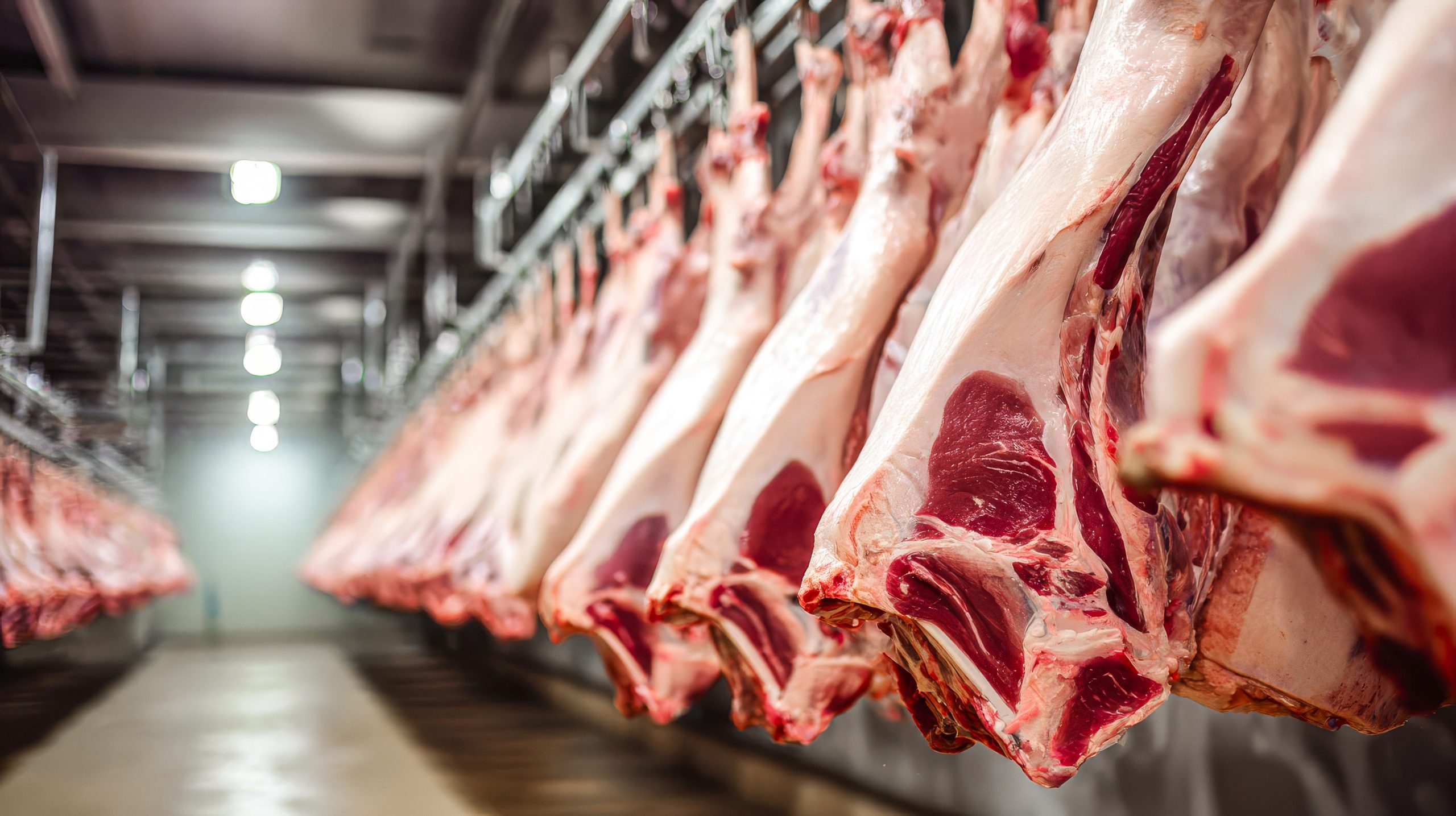
“There may be a biological maximum because the body may not be able to sustain its own weight at some point,” Lawrence explained. “The other maximum is what can literally fit into the plant, go down the single file stunt alley, fit into the restrainer and what can fit onto the gut table.”
Lawrence said some plants have had to adapt their facilities to accommodate these large cattle. He said the Tyson facility in Amarillo, Texas, recently built a new kill floor with a raised rail. JBS did the same in Grand Island, Nebraska, several years ago.
“They will be able to handle an even larger carcass for many years to come,” Lawrence said. “We’re likely to see more of those upgrades or improvements in the ability of a particular location to handle a bigger carcass and a bigger live animal.”
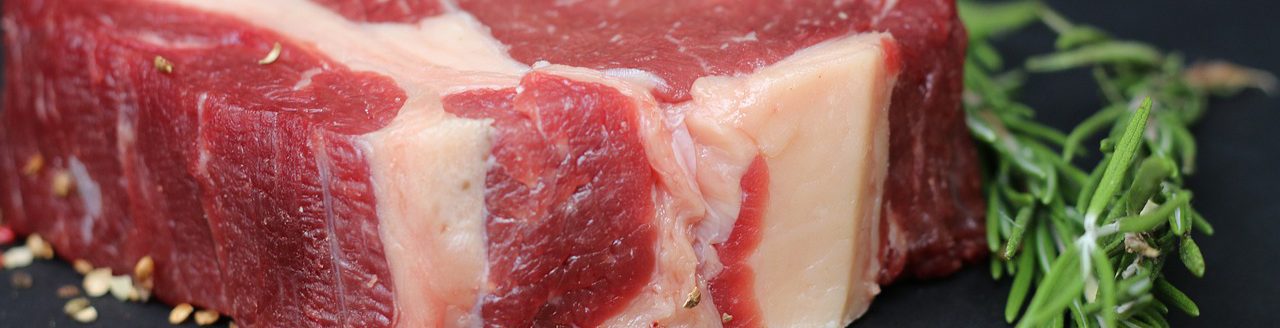
The size of the animal does play a part in the size of meat cuts, which Lawrence said has some pros and cons. He said to expect ribeye and striploins to be larger, and for certain cuts to be cut into more portions because of the overall size.
“In time, we’re probably not going to sell the consumer a whole slice of ribeye,” he explained. “When you go to the store and you get the lateral or medial end of a ribeye, you don’t get the whole thing. If you want an 18-inch ribeye that’s an inch thick, it might weigh a pound and a half.”
Lawrence said soon ribeye and striploin will be cut into portions, similar to the way sirloin has been marketed for years. It will be an adaptation for consumers, but they will still receive the same amount of meat. Fortunately, a heavier animal almost always means improved marbling, palatability and tenderness.
“The other potential negative is as we make the cattle higher quality, we’re increasing the level of trimmable fat,” Lawrence said. “This means more tallow production and 50/50 trim that ends up in ground beef.”
He said this is usually a discount because lean meat is worth much more than fat. Tallow has a limited value, and although 50/50 trim is worth a little more than tallow because it’s half lean and half fat, it’s still a much lower value product.
“Producing extra fat is just one of the trade-offs in producing a higher quality carcass,” Lawrence added.
However, these discounts are usually far outweighed by the additional high-quality lean product available when harvesting these larger cattle, and the payouts mean these heavy weight animals are here to stay.
“Carcass weights are not likely at all to come down. A rebuilding of the beef herd won’t dramatically change anything except the number of cattle, because the lesson won’t change the fact that the math points to make a bigger animal.”
Lawrence said the only factor that could affect weights would be if feed costs skyrocketed in the future.
“If the cost to produce or feed changed dramatically, then that would change the carcass weight outcome,” he said.
Lacey Vilhauer can be reached at 620-227-1871 or [email protected].