K-State beef cattle experts say minimizing stress during key stages of gestation can help protect herd reproductive success
Transporting pregnant cows may seem routine, but timing and management decisions can have significant impacts on the success of the herd, according to experts from the Kansas State University Beef Cattle Institute.
During a recent episode of the BCI Cattle Chat podcast, veterinarians and beef cattle experts emphasized that moving pregnant cattle requires careful consideration to avoid unnecessary stress and potential pregnancy loss.
They emphasized one of the most critical factors is the stage of pregnancy. Experts noted that early gestation is the most vulnerable period for embryonic loss, particularly when cows are exposed to stress from handling or transportation.
“Early pregnancy is a time when we need to be especially cautious,” cow-calf specialist Jason Warner said. “Stress during that period can increase the risk of losing that pregnancy.”
Transportation itself introduces multiple stressors, including handling, loading, travel conditions and environmental changes. These stressors can impact not only pregnancy retention but also overall animal health and performance.
“Anytime we move cattle, we’re adding stress,” Warner said. “The goal is to minimize that stress as much as possible, especially for pregnant females.”
To reduce risk, producers are encouraged to evaluate whether transportation is necessary during early gestation. If movement cannot be avoided, proper handling techniques and planning become essential. This includes minimizing time in transit, avoiding over-crowding and ensuring cattle are handled calmly throughout the process.
In addition, maintaining consistency in nutrition and environment before and after transport can help cattle adjust more effectively. Sudden changes in feed, water access or weather conditions may compound stress and further increase the risk of complications.
While transportation later in pregnancy may pose less risk for embryonic loss, experts still recommend careful management to protect both the cow and developing calf.
Ultimately, specialists stress that thoughtful decision-making around transportation can help producers protect reproductive success and maintain herd productivity.
For more on this topic, listen to the full episode of Cattle Chat, produced by K-State’s Beef Cattle Institute. Questions on this and other topics also may be sent to [email protected].
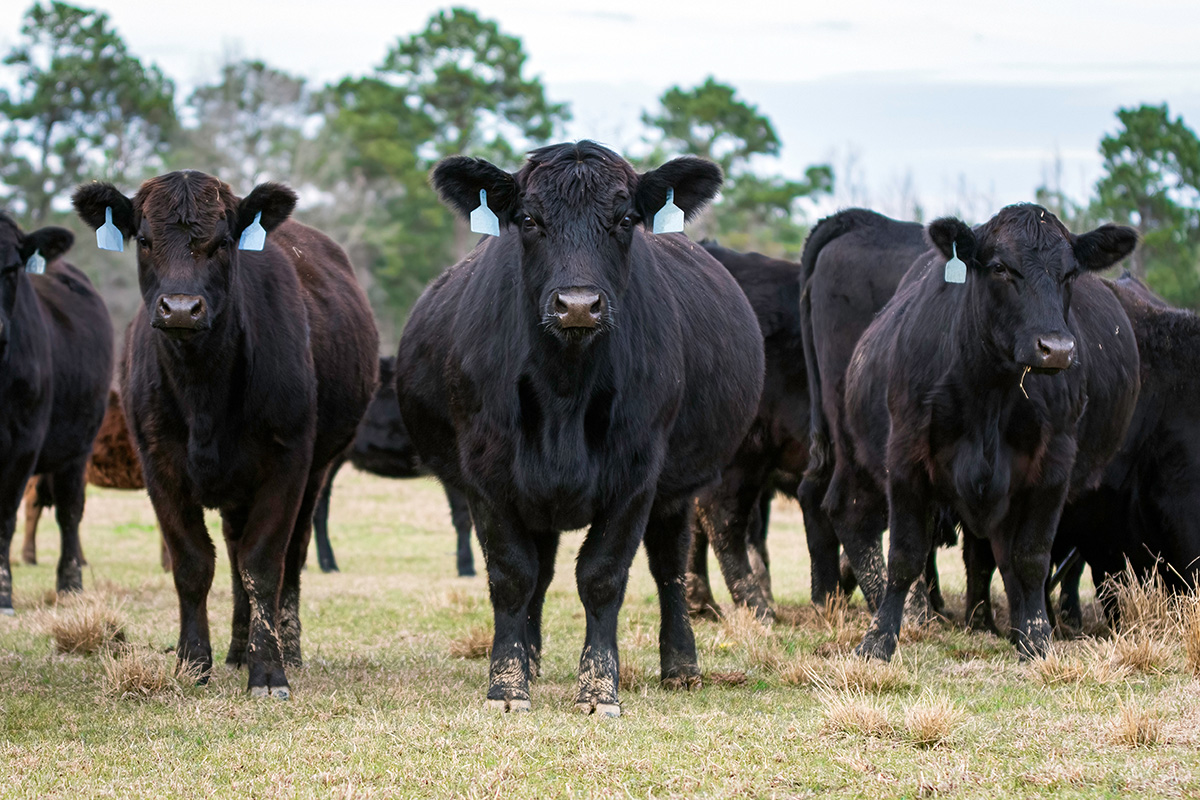
PHOTO: Heavily pregnant cow. (Adobe Stock │ #594195930 – jackienix)