Monitor carbon dioxide to help protect grain quality during spring warmup

With the transition to warm spring weather, protecting the quality of stored grain is essential. Keeping grain consistently within safe storage temperature and moisture parameters is key to preventing spoilage and protecting the value of farmers’ crops.
Bryan Reimer, GrainVue product manager for GSI, Assumption, Illinois, said monitoring carbon dioxide levels provides an added line of defense in keeping grain in condition.
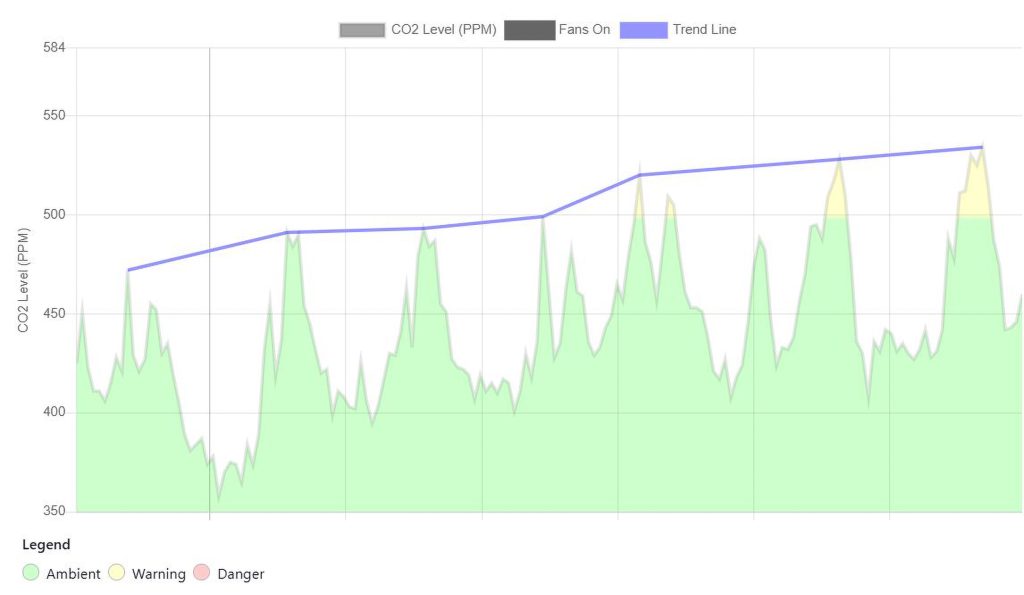
“Elevated CO2 levels are often an early warning sign of spoilage in the bin,” Reimer said. “CO2 will detect spoilage days or even weeks before temperature increases can be identified through cables, enabling farmers to address potential issues before they become a big problem.”
CO2 in grain bins is primarily caused by the respiration of insects, mold and fungi as they consume stored grain. Moisture content above recommended levels fuels mold and insect activity that produces CO2, which leads to hot spots and increased temperatures in bins.
GSI’s GrainVue system offers a digital cable system to monitor grain temperature, moisture and inventory.
“Automated fans are turned on and off to either cool or warm the grain based on weather conditions, which takes the guesswork out of aeration management,” Reimer said.
He said the system also monitors CO2 levels, alerting farmers to the potential for grain spoilage. Users can then run fans and monitor future CO2 readings to ensure an area of spoilage has been addressed.
Managing stored grain
GSI recommends the following steps to protect grain quality during warming weather:
- Factor in grain moisture when stored. In addition to grain temperature, optimal storage conditions also depend on the grain’s moisture level when stored. To help make this determination, safe storage charts are available from university extension services and other resources.
- Raise the grain temperature as outside weather heats up. A large temperature differential can cause condensation to form inside bins as they warm up. Keep the two temperatures as close together as possible by slowly warming the grain with aeration. The industry standard is a differential of 10 to 15 degrees.
- Use automated bin monitoring tools. Review your monitoring system regularly to identify changes in temperature and CO2, set alerts and use automated fans to keep grain in condition.
- Check grain weekly. Climb safely to the top of the bin and—while not entering to avoid the risk of entrapment—visually inspect the top layer of grain and around the interior wall. Signs of crusting could indicate grain spoilage, which can also be detected by smell. It is important to run aeration fans to let in fresh air and equalize bin and outdoor temperatures.
- Move spoiled grain. If grain crusting is present in a small amount, blending it off may solve the issue. However, it is difficult to know how far down the problem extends. If unable to get it under control, the grain should be removed from the bin and marketed as quickly as possible, even though it may receive a docking at sale. Leaving out-of-condition grain in the bin creates a risk of clogging during unloading, which can lead to safety hazards.
For additional grain management information, farmers can contact their GSI dealer or visit grainsystems.com.