AgriLife Extension entomologist explains chigger habitat, bites and prevention
If you’ve ever dealt with the intense itch of chigger bites, you know how important it is to avoid them when outdoors.
Chiggers are the larval stage of mites in the Trombiculidae family found worldwide. Chiggers in the genus Eutrombicula are common in Texas. These tiny, six-legged parasites normally feed on lizards, birds and small mammals, but they also bite humans.
Molly Keck, Texas A&M AgriLife Extension Service senior program specialist in the Department of Entomology, Bexar County, said understanding chiggers can help you avoid their itchy bites.
Keck gets calls from Texans every spring about chiggers, and cases typically rise as spring transitions to summer.
“Chigger season in Texas begins in late spring and lasts to early fall,” Keck said. “Temperatures above 80 degrees combined with moisture create ideal conditions, and overgrown habitat that provides protection to small animals makes an ideal chigger environment.”
What to know about chigger bites
Chigger bites cause intense itching, but many people don’t know how these bites occur.
- Chiggers wait on foliage and cling to clothing of passing hosts before moving to feeding sites on the skin.
- They prefer tight clothing areas – waistbands or socks – and moist spots – armpits and behind knees.
- They do not burrow into the skin or feed on blood.
Instead, chiggers anchor themselves to the skin with hooklike chelicerae, inject a tiny droplet of saliva that breaks down skin cells, allowing them to drink dissolved skin cells and lymph. While the chigger remains on the surface, this process of salivation and drinking is repeated over and over forming a tiny tube in the skin.
The chigger leaves, and the saliva triggers an allergic reaction, causing:
- Redness.
- Swelling.
- Itching, sometimes with raised itchy bumps.
The itching usually begins hours after the chigger detaches. Not everyone has an allergic reaction to bites, but they can last several days in severe cases and may take up to two weeks to fully heal, Keck said.
Because chiggers leave the body after feeding, home remedies like nail polish or bleach won’t help and may worsen irritation.
“There are ways to relieve the itch, but once you’re bitten, the reaction has already started,” Keck said. “Prevention is key.”
How to avoid chigger bites
Chiggers don’t establish populations in homes, and they don’t move from person to person.
They need direct contact with a host, so understanding environments that chiggers prefer and preparing before going outdoors is key to preventing bites.
Chiggers are often found in:
- Transition zones such as along trails; areas of low-lying vegetation next to taller vegetation.
- Overgrown or undisturbed areas.
- Moist environments near ponds, creeks and rivers.
Overgrown grass around well-maintained lawns can harbor chiggers under the right conditions, so staying cautious is important.
To reduce your risk of chigger bites:
Before going outdoors
- Wear long pants and tuck them into socks.
- Use repellents such as DEET, sulfur powder or plant-based oils.
- Treat clothing with permethrin — do not apply directly to skin.
After outdoor activity
- Remove clothing immediately.
- Shower as soon as possible.
- Scrub with soapy water and a washcloth.
If you suspect chigger bites
Quick action can reduce both the number and severity of bites.
“If you think you’ve been exposed, shower right away,” Keck said. “Scrubbing can remove chiggers, though it may be too late to prevent all bites.”
- It is advisable to apply antiseptic ointment to prevent infection.
- Persons who are hypersensitive to chigger bites should consult their physician for treatment.
- Over the counter products containing antihistamines can reduce itch.
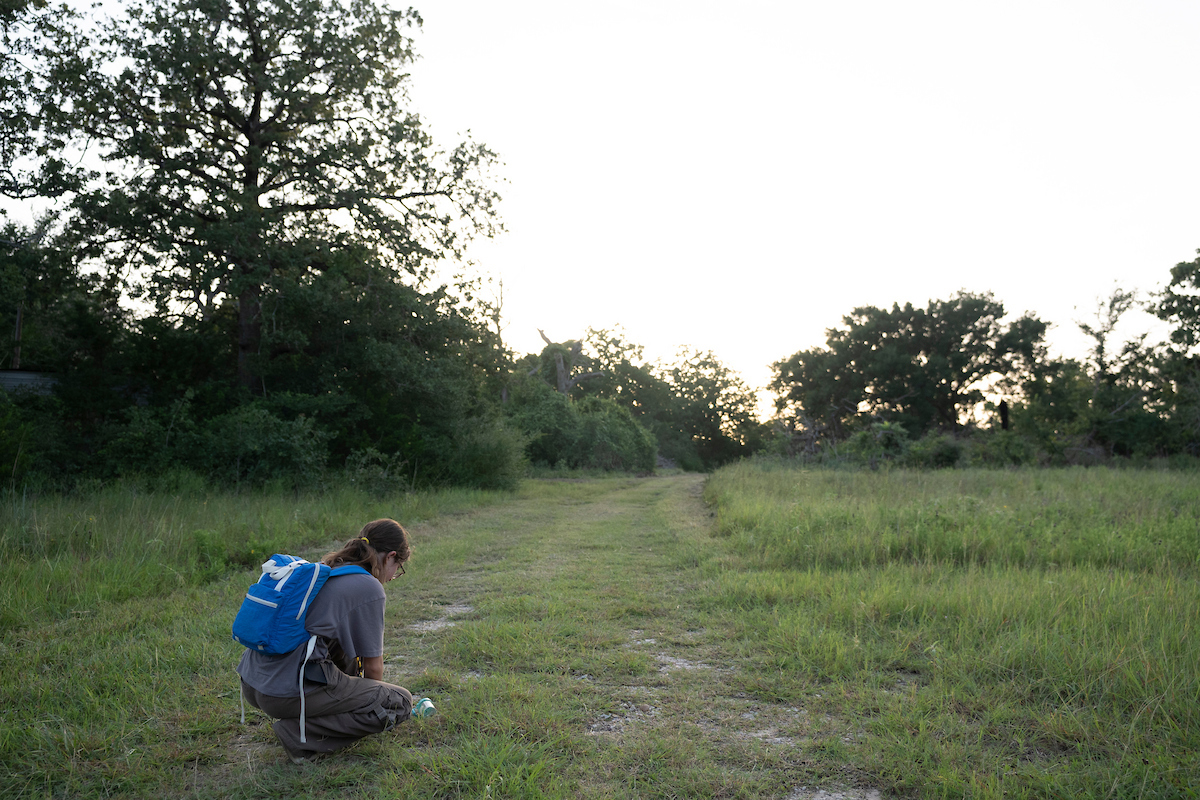
PHOTO: Taking precautions before and after you venture into places that make ideal hiding spots for chiggers can prevent the itchy, scratchy bites they can leave behind. (Chris Swann/Texas A&M AgriLife)