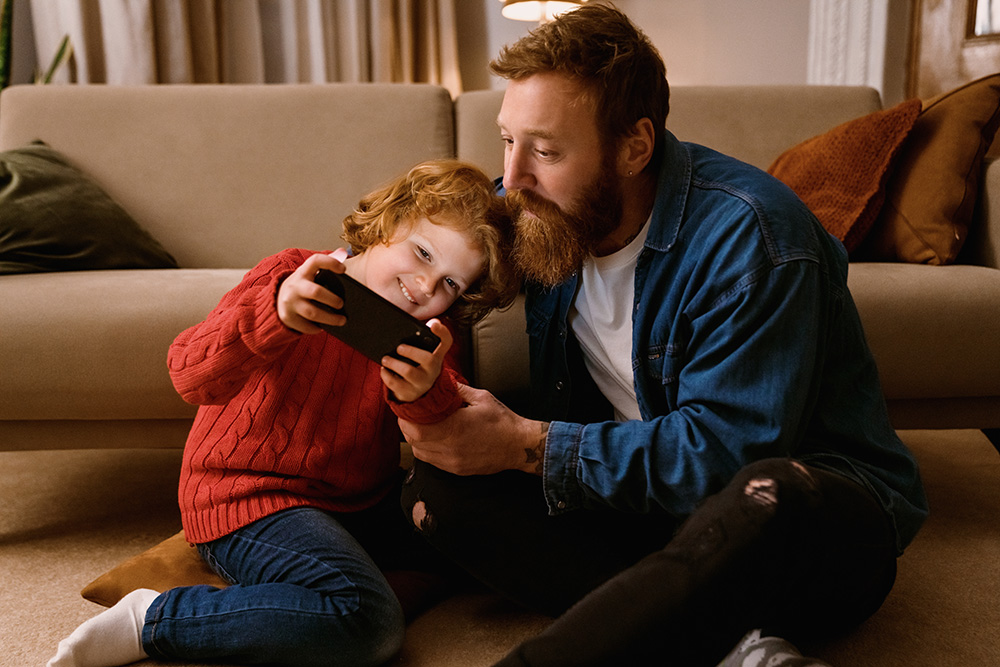
While 82% of American families report playing digital games with their children at home, many parents find themselves increasingly frustrated by a gaming landscape that feels vastly different from the one they grew up with. To address these challenges, The Science of Parenting podcast recently hosted a special three-part series featuring Soyoung Park, an Iowa State University doctoral student specializing in digital game culture and family life.
The series aims to help parents move from a place of confusion and control to one of connection and guidance by understanding the “living environments” that modern games have become, said Mackenzie Schelling, a health and human sciences educator with ISU Extension and Outreach.
A new era: ‘Gaming as a service’
Parents often remember games with a clear finish line — once you beat the game, you were done. Today, however, games operate as gaming as a service, meaning they are designed to never truly end, Park explained. These platforms constantly update with new seasons, events and limited-time rewards that create a powerful sense of fear of missing out — often referred to as FOMO.
Furthermore, the social structure of gaming has shifted. Children are often part of online teams or guilds where other players depend on them.
“When a parent demands that a child turn the game off, the child may keep it on. To the parent, keeping the game on seems like defiance. However, to the child, turning it off can feel like a breach of social commitment,” Park said.
The ‘amusement park’ monetization model
One of the most confusing aspects for modern parents is the monetization of free-to-play games. Park compares these systems to an amusement park: “You can enter for free, but once you’re inside, almost everything requires extra payment.” These microtransactions — small, frequent purchases for items like skins or battle passes — can quickly add up to significant monthly totals.
A critical gap for parents is that traditional rating systems, such as the ESRB (Everyone, Teen, Mature), primarily evaluate content like violence or language, but they do not evaluate systems.
“For example, parents may believe that a game like Roblox is a creative, child-friendly platform. However, it is actually a complex digital marketplace and social network with its own virtual economy, which may include risks of exposure to strangers,” Park said.
Smart parenting strategies: Connection over control
Rather than relying solely on strict rules or surveillance, the research suggests that parents take an authoritative parenting approach — balancing clear boundaries with warmth and support.
“Game literacy doesn’t mean parents have to become gaming experts,” Park noted. “Instead, it involves asking key questions about the game’s systems: Does it have virtual currency? Can the child chat with strangers? Can the game be paused?”
Practical tips for reducing household tension include:
- Shifting the Lens: Move from asking “Is gaming good or bad?” to “How does this game work?”
- The 10-Minute Rule: Spend just 10 minutes watching your child play or asking them to explain what makes the game fun for them.
- Natural Break Points: Instead of a random cutoff time, set boundaries around natural break points, such as “finish this match” or “stop at the next save point.”
About The Science of Parenting
The Science of Parenting is dedicated to connecting families with research-based information that fits their unique needs, said Schelling. Beyond this series on digital gaming, ISU Extension and Outreach offers a wealth of resources through their website, scienceofparenting.org.
- The Science of Parenting Podcast: A weekly series available on Apple Podcasts, Spotify and other major platforms, providing expert insights into family life
- Workshop Series: Interactive sessions designed to provide parents with practical, evidence-based strategies for various stages of child development
- Self-Paced Online Courses: Four dedicated online modules that allow parents to engage with parenting research at their own speed and on their own schedule
PHOTO: Father and son playing online game on mobile phone together while sitting on floor. (Adobe Stock-#553398947 │ Drobot Dean)