New World screwworm reaches 2 states as USDA confirms fifth U.S. case
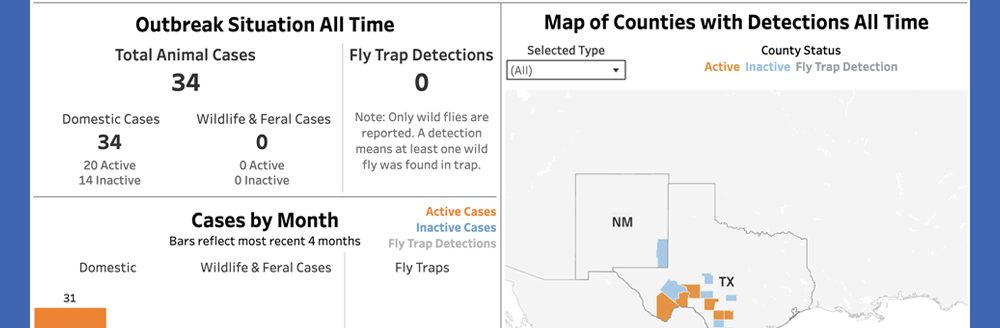
The U.S. Department of Agriculture has confirmed five cases of New World screwworm in the United States as of June 8. The cases include Zavala County, Texas, where the two initial cases in calves were detected in early June; one case in La Salle County, Texas, of a calf; one goat in Gillespie County, Texas, and a fifth case was reported in Andrews County, Texas, in a dog.
The USDA has reclassified the dog case in Andrews County, now stating the dog resided in New Mexico, but the veterinarian that reported it practiced in Texas. This means the pest has been confirmed in two states.
USDA said the case is believed to be isolated, but the dog’s recent travel and exposure history remain unknown. Federal and state officials have begun inspecting additional animals at the residence, increasing outreach efforts in the area and continuing to investigate the animal’s movement history.
“This situation is evolving, and we expect new information to emerge as our investigation continues. USDA is committed to sharing what we learn quickly, accurately, and transparently, so animal owners and local communities have the information they need to stay vigilant,” said Dudley Hoskins, USDA undersecretary for Marketing and Regulatory Programs.
APHIS and New Mexico officials are implementing response measures outlined in the agency’s New World Screwworm Response Playbook. Actions include continuing the epidemiological investigation, sampling additional animals at the household, conducting fly trapping, preparing for the possible release of sterile insects and increasing outreach to encourage reporting of suspected cases.
USDA and the Texas Animal Health Commission are gathering additional information about the goat case, establishing surveillance and testing efforts in the area, and distributing outreach materials to animal owners.
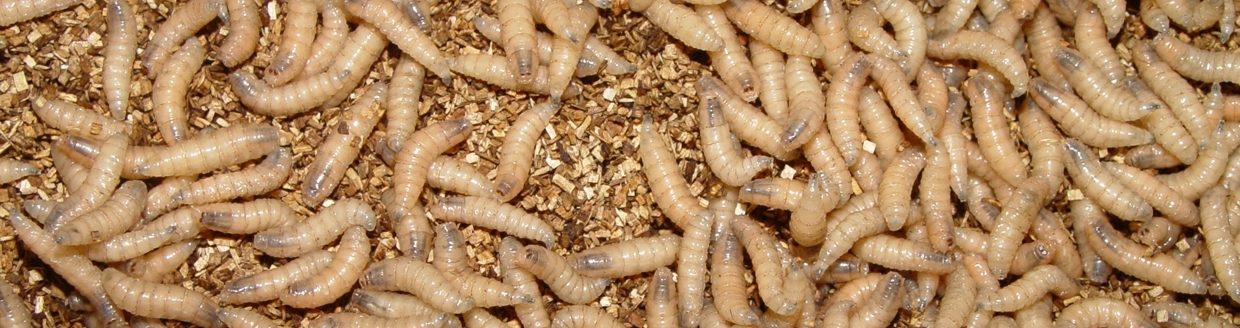
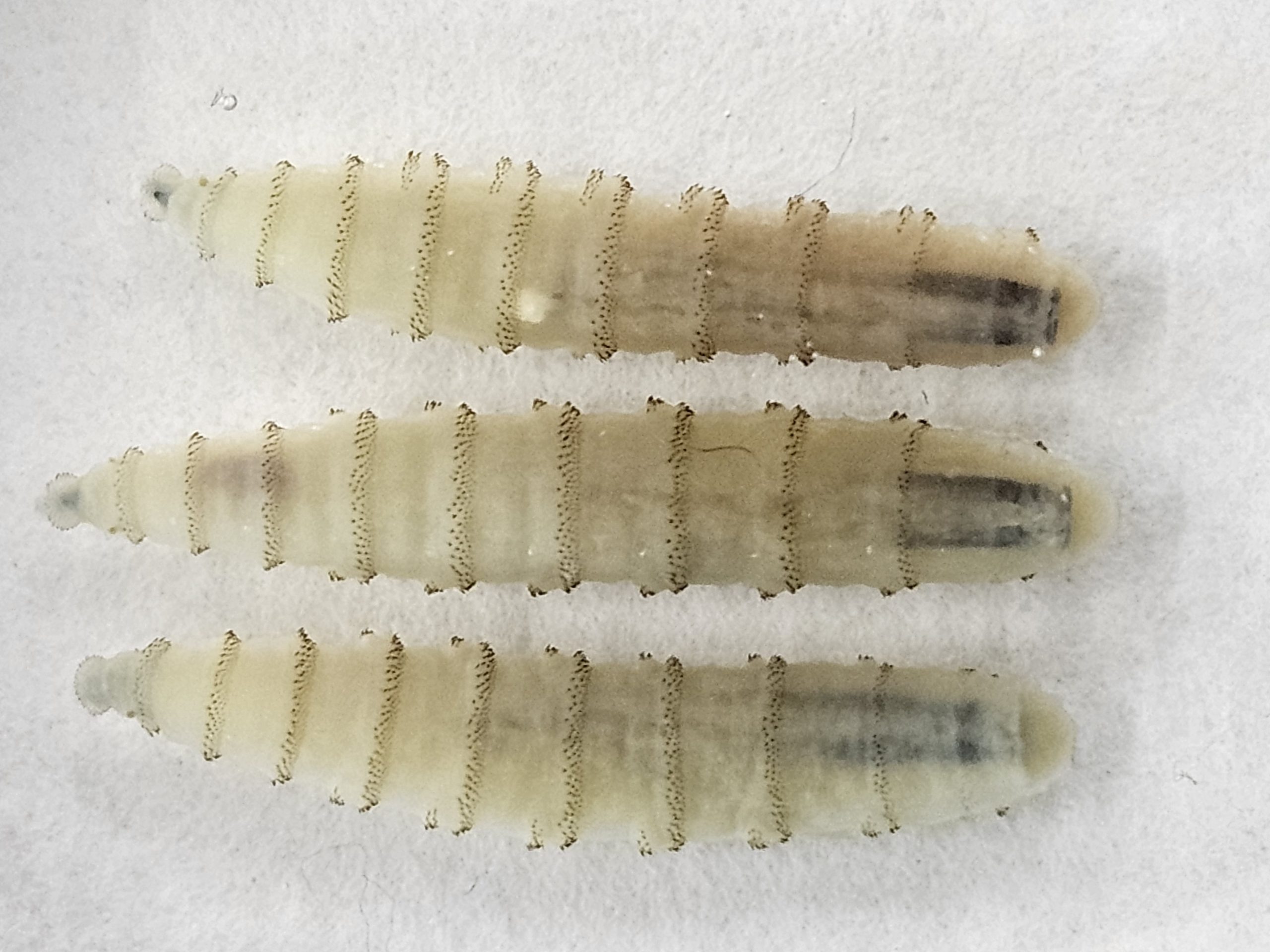
The agency is urging livestock and pet owners in affected areas to inspect animals daily for draining or enlarging wounds, maggots or egg masses, signs of discomfort or irritability, and lesions around body openings such as the ears, nose, genital area and umbilicus.
Anyone who suspects a New World screwworm infestation should contact a veterinarian, state animal health official or USDA immediately.
Lacey Vilhauer can be reached at 620-227-1871 or [email protected].