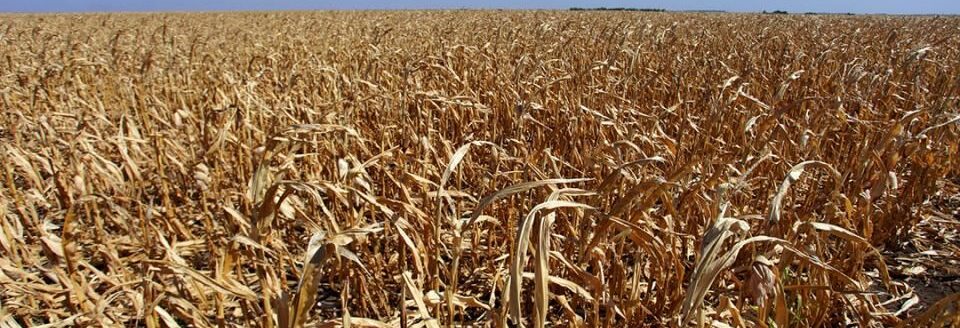
Texas growing conditions split by rain: improved moisture, lingering drought
Growing conditions for summer crops are a mixed bag of results based on rainfall over the past 90 days, according to Texas A&M AgriLife Extension Service experts.
While soil moisture conditions have improved for much of the state, too much of a good thing, like rain, can also bring problems.
AgriLife Extension agronomists who work in the Texas A&M Department of Soil and Crop Sciences provided a round-robin look at the soil moisture conditions around the Lone Star State. Much like summer 2024, Texas is divided into moisture haves and have-nots.
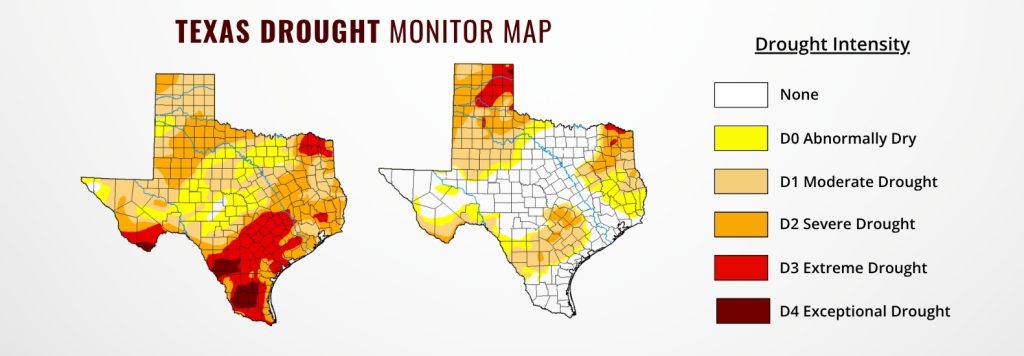
The growing season started very dry. On March 24, 99% of the state was experiencing some level of drought, and 84.5% rated at moderate to exceptional drought conditions, according to the U.S. Drought Monitor. On June 23, only 49% of the state faced drought conditions, with 36% reporting moderate to exceptional conditions.
Heavy rains boost soil moisture, bring challenges
Ronnie Schnell, Ph.D., AgriLife Extension state cropping system specialist and professor, Bryan-College Station, said most areas from Central Texas to the Gulf Coast and the Rio Grande Valley started off very dry, but several storm systems greatly improved the soil moisture profiles and saturated some areas.
Dry conditions delayed plantings and/or crop emergence early in the season, but overall crops have benefitted from the rain, he said.
Standing water and soggy soils have been an issue in some parts of the state.
Producers in South Texas reported receiving 10-12 inches of rain over one week, Schnell said. Those areas picked up multiple rain events in the following weeks. Corn crops have shown signs of water stress — yellowing — and some cotton fields were stunted or showed thin stands due to extended periods of standing water.
Sorghum fields that are nearing harvest will need sunny days to dry enough for equipment to access for harvesting, he said. Further rain delays could mean grain quality losses.
“That takes a toll, definitely on crops like cotton,” Schnell said. “I think most grain crops were far enough along that the wet conditions won’t be an issue, but the fields have to dry enough to get in for harvesting, and there have been some reports of sprouting. But I think most producers would say they’d rather deal with too much than too little rain.”
Panhandle dry despite scattered storms
Kevin Heflin, Ph.D., AgriLife Extension agronomist and assistant professor, Canyon, said the Panhandle remains very dry. Areas have picked up some moisture, but not a soaking rain that could improve the soil moisture profile.
The Panhandle is experiencing moderate to exceptional drought, Heflin said.
Some areas received 1.5 inches from flash storms that also brought damaging winds and hail that impacted young crops, he said. Rains helped seed germination and seedling plants, but subsequent 100-plus degree days and 30 mph winds evaporated topsoil moisture rapidly.
Heflin said all crops have been planted, and many dryland acres were dusted in and emerged and were in decent shape. Irrigated fields also look good, but dryland and irrigated crops will need timely rains. The Panhandle typically picks up 3-5 inches of rain between late July and early August, but Heflin said dryland fields will need rain sooner rather than later to hold on.
“It’s looking like a typical year — relatively dry with early June rains and 100-degree days,” he said. “Some computer models are expecting an El Niño pattern with some moisture. We’re just hoping Mother Nature delivers because 103-degree days and high winds are tough on irrigated fields, much less dryland.”
Conditions improve, but risks remain
Reagan Noland, Ph.D., AgriLife Extension agronomist and associate professor, San Angelo, said growing conditions from West Central Texas/San Angelo through the Southern Rolling Plains/Abilene areas started bleak but improved significantly in many areas.
March was hot, dry and windy. Established wheat fields were under water stress as grains filled, and many plantings of summer crops were delayed as producers waited for chances of rain. April and May were wet, cool and set conditions up well for cotton and early planted grain sorghum.
Wheat conditions improved significantly, but persistent moisture caused issues with leaf rust and lodging. However, Noland believes those challenges occurred late enough in the season to minimize a broad impact. But some wheat fields sustained severe losses in grain quality as harvesters were unable to access fields in time.
“It’s a crummy situation to go from concern about not enough moisture to getting enough rain to finish out a good crop and then seeing tremendous quality discounts because you can’t get into a field to harvest,” Noland said.
The region hasn’t received much rain in June, and recent hot, dry weather has started to stress plants that progressed under cool, wet conditions, Noland said. The concern is that 100-degree days and no rain could push areas with adequate moisture toward drought and stress crops when they reach critical development stages.
But conditions are much better than other recent seasons, and producers were optimistic about their crops, he said.
“Rain in July would help, but we’re in much better shape than we were,” Noland said. “I’m optimistic. There are a lot of good crops out there right now, and we’re just hoping to get a little help.”
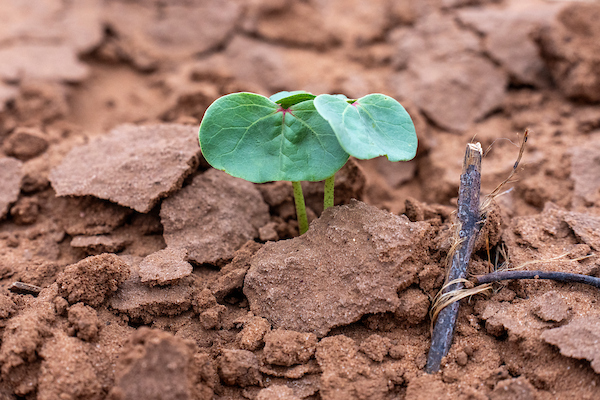
PHOTO: Producers in many parts of the state continue to irrigate and hope for rain while producers in other parts of the Texas have faced challenges related to excessive moisture. But overall, most areas of the state have received some relief from rain over the past 90 days. (Hannah Harrison -Texas A&M AgriLife)