
U.S. Cattle on Feed shows 2% increase
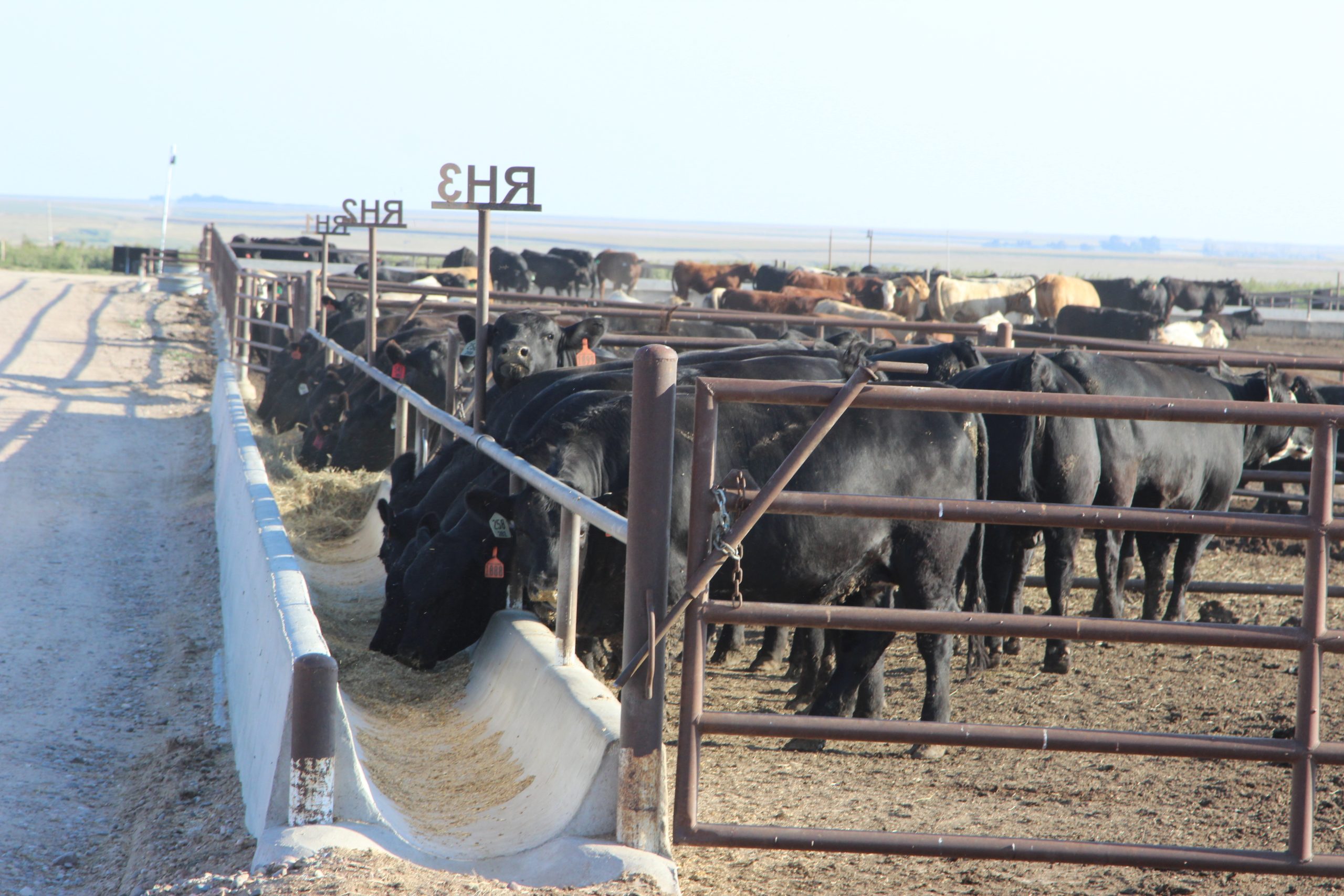
The July 24 Cattle on Feed report showed a 2% increase in the inventory of cattle and calves on feed for the slaughter market, according to the U.S. Department of Agriculture’s National Agricultural Statistics Service.
The report showed 11.4 million head on July 1, 2026, in U.S. feedlots with a capacity of 1,000 or more head. A year earlier, the inventory stood at 11.1 million head.
Glynn Tonsor, a professor of agricultural economics at Kansas State University, said the number was in line with his expectations. He offered his comments in a recent podcast with Shelby Varner, director and host of Agriculture Today at K-State.
The inventory included 7.12 million steers and heifer calves, up 3% from the previous year. The group accounted for 63% of the total inventory, NASS reported. Heifers and heifer calves accounted for 4.25 million head, up slightly from a year earlier.
Placements in feedlots totaled 1.4 million head, 3% below 2025. Tonsor said analysts had expected a 1% to 2% decline.
“There may have been fewer animals entering feedyards this month than we were expecting, and that would be the only surprise,” he said. “If that’s reaffirmed in the next few Cattle on Feed reports, that would signal that the volume going through our feedlot industry for the balance of 2026 and into 2027 might be even smaller than we thought because placements were lower than we were expecting.”
Net placements were 1.35 million head. During June, placements of cattle and calves weighing less than 600 pounds were 325,000 head; 600 to 699 pounds were 225,000 head; 700 to 799 pounds were 300,000 head; 800 to 899 pounds were 309,000 head; 900 to 999 pounds were 160,000 head; and 1,000 pounds and more were 80,000 head.
Marketings of fed cattle during June totaled 1.66 million head, 3% below 2025. Marketings were the lowest for June since the series began in 1996, NASS noted. Tonsor said that result was in line with his expectations.
Tonsor said beef demand has continued to be strong. Demand has been the foundation supporting higher cattle prices during the past three years and, by historical standards, remains strong. Still, he remains cautious as an economist.
“There’s starting to be some signals of weakness, and I think that stems from macroeconomic challenges, not perceptions about quality,” Tonsor said. “I think the public wants beef, but you’ve got to have cash in the wallet and confidence.”
Looking at the latest cattle reports from USDA and NASS, Tonsor said the broader economy could mean the market is entering a pause as the cattle and beef complex works through current conditions.
He also discussed recent lower futures prices and a pullback in the cash market. In recent weeks, futures and cash prices have moved closer together.
Choice boxed beef on July 23 was down about $4 per hundredweight to $364 per hundredweight. He noted Select boxed beef was about $349 per hundredweight. He is working on an upcoming Meat Demand Monitor report that will offer additional insight. Demand is affected by many factors.
“There’s lots of discussion about a K-shaped economy, slowing economic growth or wages not keeping up with the cost of living, and that’s not unique to beef,” Tonsor said. “But I’m starting to see some signals where maybe that’s weighing on the beef complex.”
Those factors may become more evident in the beef complex, he said.
Feedlot managers will need to keep a close watch on costs because operations will likely face higher expenses and must avoid negative returns, he said.
“We’re having some cost-of-gain erosion that’s going up against the feedlot, and we’re not seeing sales price expectations increase enough to offset placement prices,” Tonsor said.
Dave Bergmeier can be reached at 620-227-1822 or [email protected].
Related coverage and resources
- Related on HPJ: Cattle on feed report aligned with industry expectations
- Related on HPJ: Lower March placements contribute to smaller feedlot inventory
- Outside resource: USDA NASS — July 24, 2026 cattle report



