
Cattle on feed report aligned with industry expectations
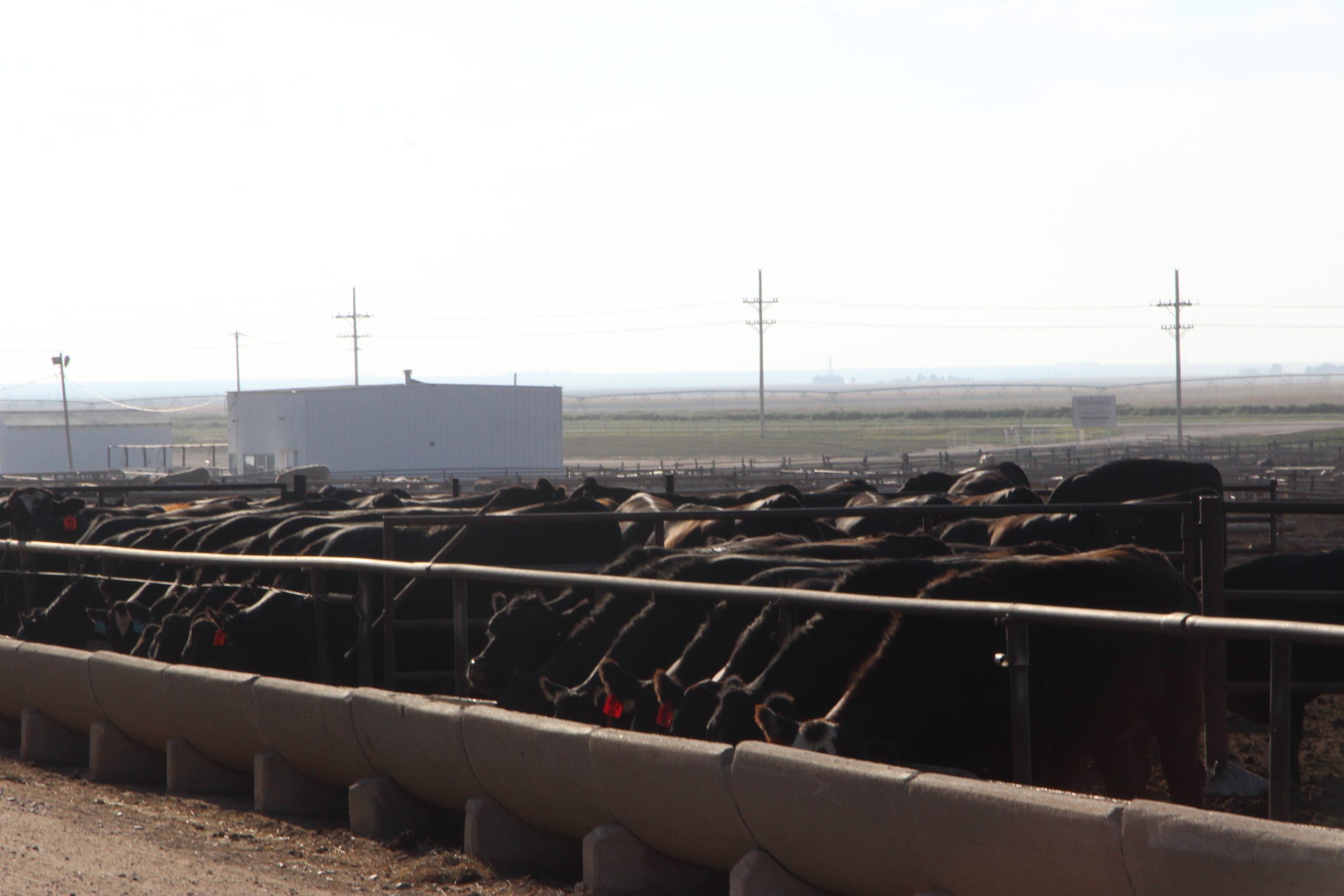
The latest cattle on feed report was up 2% and yielded few other surprises, but offered several noteworthy nuggets as noted by a Texas A&M livestock economist.
Marketings of fed cattle during April totaled 1.64 million head, which was 10% below 2025, which was expected, said David Anderson, a professor and Extension economist for livestock and food product marketing.
“Marketings were down 10%. So that had to leave us with more cattle on feed than a year ago,” he said. “I think more cattle on feed will surprise casual observers, but we’ve been headed that way in recent months mostly due to the decline in marketings.”
Placements totaled 1.7 million head, which was 6% above 2025, NASS reported.
“I think we expected placements to be up, and they were up and at the top end of expectations,” he said.
Daily average marketings were almost the same as a year ago, he said, meaning that while fewer animals might have been sold, processing plants were running about the same as last year when those days are accounted.
The U.S. Department of Agriculture’s National Agricultural Statistics Service in its May 22 report said cattle and calves on feed for the processing market in the United States for feedlots with capacity of 1,000 or more head totaled 11.6 million head on May 1. The inventory was up 2% above May 1, 2025, when it pegged at about 11.4 million head.
“We didn’t get them from Mexico,” Anderson said. “In fact, in April last year we were getting some Mexican feeders. Something rare almost happened as April placements were almost larger than March, only 9,000 head smaller.”
In reviewing reports from recent years, he said, that was something he believed has not happened before.
“I think we can get monthly swings like this really pushed by drought or the ability to profitably place cattle,” Anderson said. “It could be that we pulled some placements that might normally have come in May forward to April. We may also have had some placements move from March to April. March showed a relatively small increase from February.”
It begs the question, he said, “Where are we getting the stock? We could be pulling some ahead early. We certainly have not seen much evidence of a lot of heifers being held back so that has boosted supplies.”
Placements for the year are down 1% from a year ago that does not seem out of line, he added.
Nebraska, Texas and Kansas all showed increases in feedlot numbers at 2.64 million, 2.58 million and 2.37 million head, respectively.
Nebraska and Kansas have more cattle on feed than a year ago, but Texas continues to be below last year, Anderson said.
“That gap in Texas from a year ago has closed a bit, but that is likely due to working through no cattle from Mexico and numbers adjusting to that over time so that the comparison makes more sense,” he said. “Central Texas has seen some rain, but other parts of the state remain in drought.”
Placements in feedlots during April totaled 1.7 million head, which was 6% above 2025. Net placements were 1.65 million head, NASS reported. During April, placements of cattle and calves weighing less than 600 pounds were 330,000 head, 600 to 699 pounds were 245,000 head, 700 to 799 pounds were 390,000 head, 800 to 899 pounds were 457,000 head, 900 to 999 pounds were 210,000 head, and 1,000 pounds and higher were 70,000 head.
Anderson said the numbers are taking into account the widespread drought.
“I think it could be because placements of lightweight calves were bigger than last year,” he said. “There is certainly a large area of cattle country in drought.”
Feedlot managers have been feeding longer, and that has led heavier weights and been a big part of keeping the beef production up, and that has offset some fewer cattle, he said.
“We certainly placed more heifers in the past,” Anderson said. “More dairy cows have increased the number of daily calves available to go on feed. The dairy industry has been increasing for a long enough time that more feeders are likely showing up from there.”
Dave Bergmeier can be reached at 620-227-1822 or [email protected].


