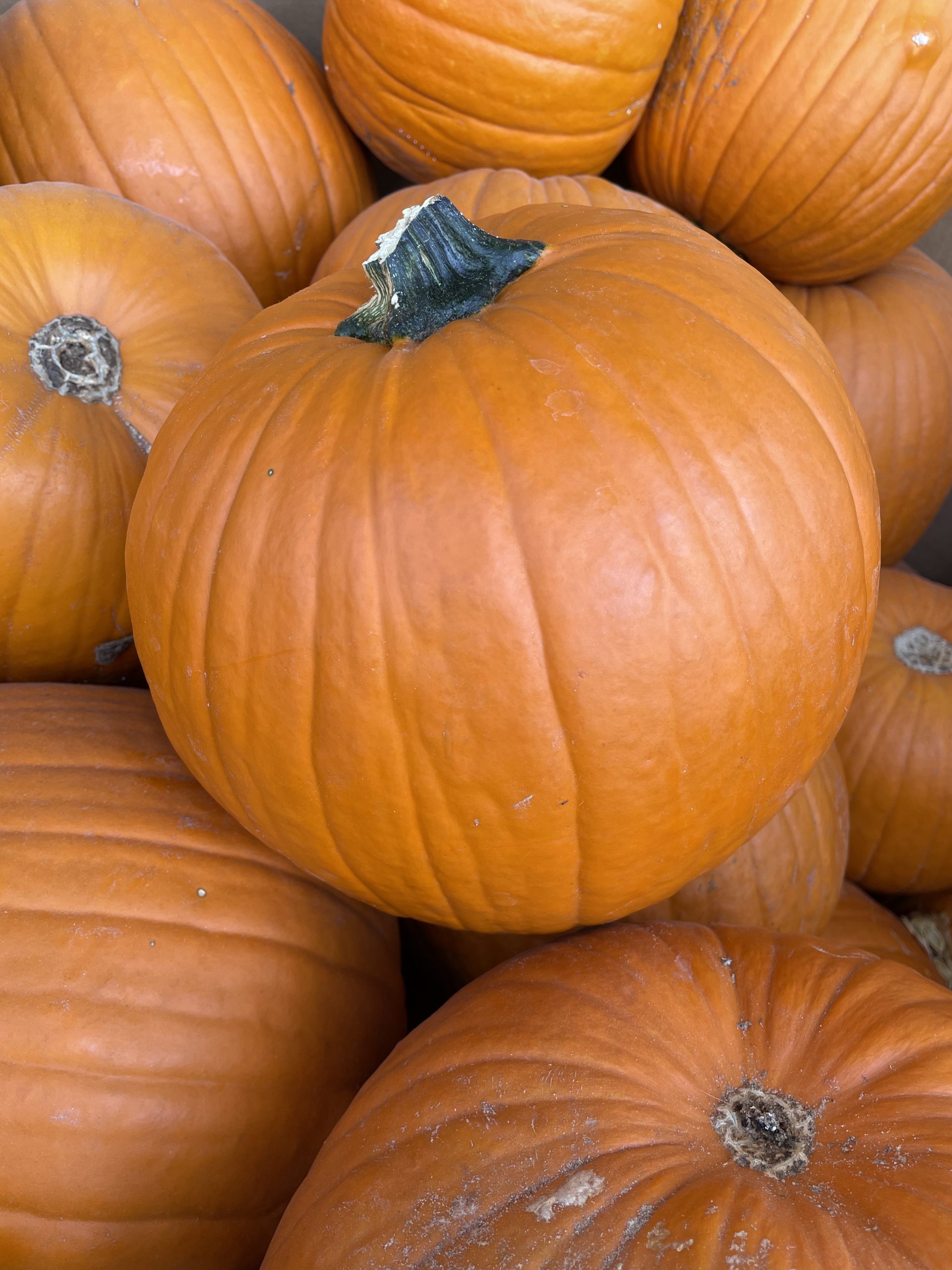
As Halloween decorations come down, pumpkins do not have to go to the landfill. “Pumpkins are biodegradable and surprisingly useful even after Halloween,” said Aaron Steil, consumer horticulture extension specialist with Iowa State University Extension and Outreach. “Whether they end up in the kitchen, compost pile or garden, there are usually better options than throwing them away.”
How long do pumpkins last?
A jack-o’-lantern typically remains attractive for only a few days to a week after carving, depending on weather conditions. Warm temperatures speed decay and mold development. Uncarved pumpkins last much longer. When mature fruits are kept dry and protected from freezing temperatures, they may remain in good condition for several weeks or even months. Many pumpkins and gourds used for fall decorating in October can remain attractive through Thanksgiving.
Eat it if it’s still sound
If a pumpkin is firm, uncarved and free of rot, it may still be suitable for cooking. Pie pumpkins and other culinary varieties are best for baking, soups, purees and other recipes. While large orange pumpkins commonly used for jack-o’-lanterns are edible, their flesh tends to be watery, stringy and less sweet than varieties bred specifically for cooking.
“Many people don’t realize that not all pumpkins are equally suited for the kitchen,” said Rachel Sweeney, AnswerLine coordinator for ISU Extension and Outreach. “Pie pumpkins generally have a smoother texture and richer flavor than the large field pumpkins typically used for carving.”
Painted pumpkins, pumpkins treated with decorative materials, and fruits that show signs of decay should not be eaten.
Compost it
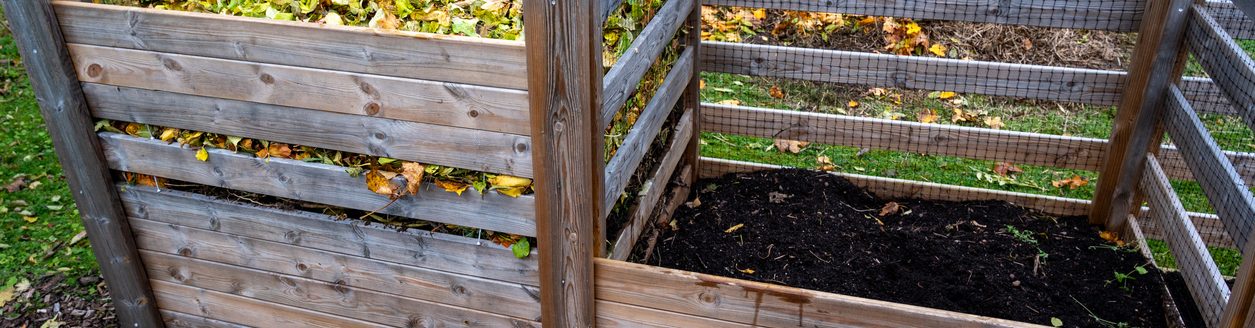
Composting is one of the easiest ways to recycle pumpkins. Chopping or crushing pumpkins before adding them to a compost pile speeds decomposition.
Because pumpkins are moist and rich in nitrogen, they should be mixed with carbon-rich materials, such as dry leaves, straw, shredded paper or dried garden debris. This also helps reduce odors and discourages raccoons, rodents and other animals from digging through the pile.
Homeowners who do not compost can bury pumpkin pieces directly in garden beds. Covering the material with several inches of soil allows it to gradually break down and add organic matter to the soil.
Save the seeds
Gardeners can save seeds from fully mature pumpkins for planting the following year. After removing the seeds, rinse away the pulp and strings, then dry them in a single layer for one to two weeks in a warm, well-ventilated location out of direct sunlight.
Once completely dry, store seeds in a sealed container, such as a glass jar, plastic container or other airtight container. Place in a cool, dry location like a refrigerator, basement or unheated closet. Properly stored pumpkin seeds often remain viable for four to six years.
“Saved pumpkins’ seeds germinate readily, but because many pumpkins sold today are hybrid varieties, the fruit that forms next year may differ from the original in size, shape, color or quality,” said Steil.
Share with wildlife and animals
Pumpkins can provide a temporary food source for wildlife. Splitting pumpkins into smaller pieces makes them easier for animals to access. Deer, squirrels, rabbits and some bird species may feed on the flesh or seeds.
Pumpkins should only be placed on private property. Dumping pumpkins in parks, woodlands, waterways or other natural areas is discouraged because it can attract animals to inappropriate locations and create litter problems.
“You can also contact local farms or animal sanctuaries to see if they will accept pumpkins for feed,” said Steil. “Any pumpkin used for wildlife needs to be free of paint, glitter, candles and significant decay.”
Know when it’s time to dispose
Once pumpkins become soft, moldy or begin collapsing, they should be removed from porches and entryways. At that point, composting or burial in the landscape are typically the best disposal options.
For related content and more information, visit:
- All About Pumpkins
- How to Harvest and Store Seeds
- Composting for Home Gardeners
- Spend Smart. Eat Smart.
- Yard and Garden: Iowa State University Extension and Outreach
- AnswerLine