Labor Day marks transition from summer to autumn gardening
For Labor Day, many Americans honor the achievements of American workers by not doing anything, said University of Missouri Extension horticulturist David Trinklein. But most avid gardeners do not consider gardening “work” but instead view it as a joyful hobby or a creative escape, so many of them will likely spend some time tending to their garden and landscape this Labor Day weekend.
With Labor Day denoting the unofficial end of summer, gardeners often see the holiday as marking the transition from summer to autumn gardening activities. Here is a list of gardening tasks to start in early September.
Harvest late-summer crops: Continue harvesting warm-season vegetables until they fall victim to cooler weather. Tomatoes, peppers, beans, cucumbers, and squash represent vegetables that will begin to decline in vigor as temperatures fall. Pinching off new tomato and pepper blossoms so the plant puts its remaining energy into ripening existing fruit is a good practice to start on Labor Day.
Plant cool-season vegetables: Crops like radishes, spinach, lettuce, kale, and broccoli prefer cool weather and usually have better “table quality” when planted in fall. Started transplants may be hard to find in fall. If so, check local frost dates to make sure seeds have enough time to mature. Remember that most cool-season vegetables can withstand light frosts.
Divide perennials: September is an ideal time to dig and divide overgrown perennials such as daylily, iris and hosta to keep them young and vigorous for next year. The lower temperatures of autumn reduces transpiration rates, which will help compensate for root damage that might occur during. The soil will remain warm late into fall, encouraging the establishment of a healthy root system by the time perennials break dormancy the following spring.
Care for your lawn: September has long been considered the best month for seeding new lawns or overseeding existing lawns with cool-season grasses such as bluegrass or fescue. During the fall, grass roots grow deep without stress from summer heat or dry periods. Additionally, some of the problem weeds such as crabgrass do not germinate in fall and crowd out young, tender turfgrass seedlings as they do in spring. Fall also is considered the best time to fertilize established bluegrass and fescue lawns.
Begin fall garden cleanup: Prevention is always the best cure. Dead leaves, rotting fruit and decaying plant material act as breeding grounds and winter shelters for harmful insects, disease spores and rodents. While removing plant debris will not entirely eliminate pests next growing season, it likely will reduce their severity.
Start a compost pile: Composting is nature’s way of recycling organic waste into rich humus that helps to build soil structure. In the process, composing improves soil health, reduces landfill waste, cuts greenhouse gas emissions, decreases the need for chemical fertilizers and helps soil hold moisture.
Inspect houseplants: Check tropical interior plants that were placed outside for the summer for pests such as aphids and spider mites before bringing them back inside for the winter. Remember that certain houseplant species suffer chill injury at temperatures as high as 45 F, so don’t wait until the first frost event is forecast to move them indoors.
This Labor Day weekend, find joy in the garden, said Trinklein. “It is a great way to use your extra day off, and it will get your grounds ready for a beautiful autumn.”
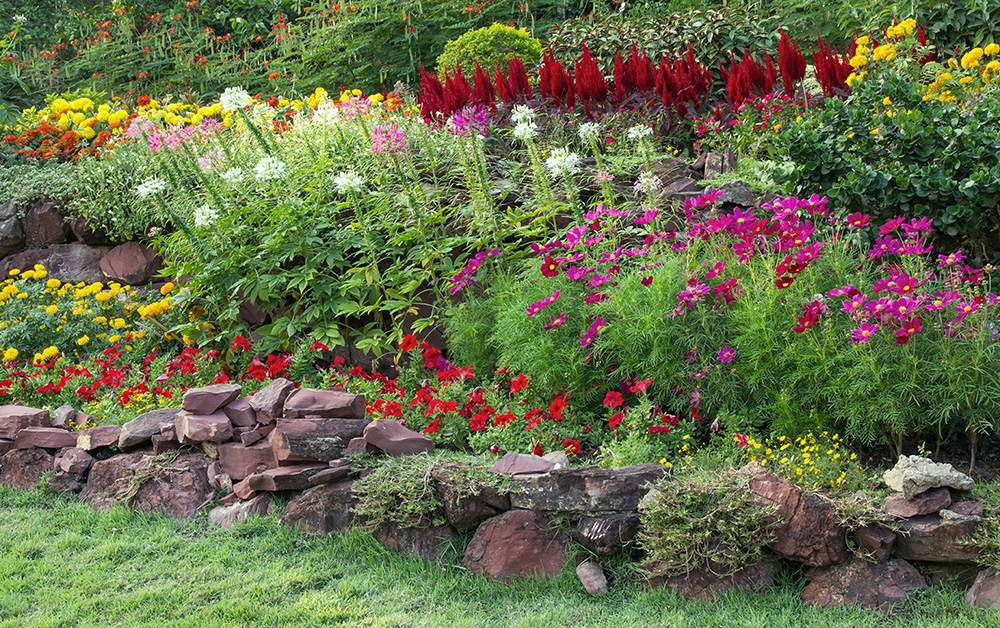
PHOTO: Colorful flower in the garden. (Adobe Stock-#124137630 │ aopsan)