Flowering plants are a meaningful Mother’s Day choice
Giving outdoor flowering plants for Mother’s Day provides a lasting alternative to cut flowers, allowing the gift to bloom for seasons rather than days, said University of Missouri Extension horticulturist David Trinklein.
Living gifts such as perennials, shrubs or roses represent a growing relationship, often reflecting the effort and care a mother puts into her family.
“Instead of just a gift, consider turning the purchase into an activity by taking Mom to a local nursery or greenhouse on Mother’s Day and allowing her to choose the plants she wants,” said Trinklein. “Combining the gift with a day of gardening together will create long-lasting memories.”
For those who value the element of surprise, these plants are sure to bring a smile to any mother’s face:
Roses. A rose bush is a classic Mother’s Day gift because it balances the beauty of a traditional bouquet with the longevity of a garden staple. Unlike cut flowers that fade in a week, a rose bush can bloom for years. Shrub roses (such as Knock Out) are a good choice since they bridge the gap between delicate traditional roses and sturdy landscape hedges. They offer a more relaxed, natural look while being easy to maintain.
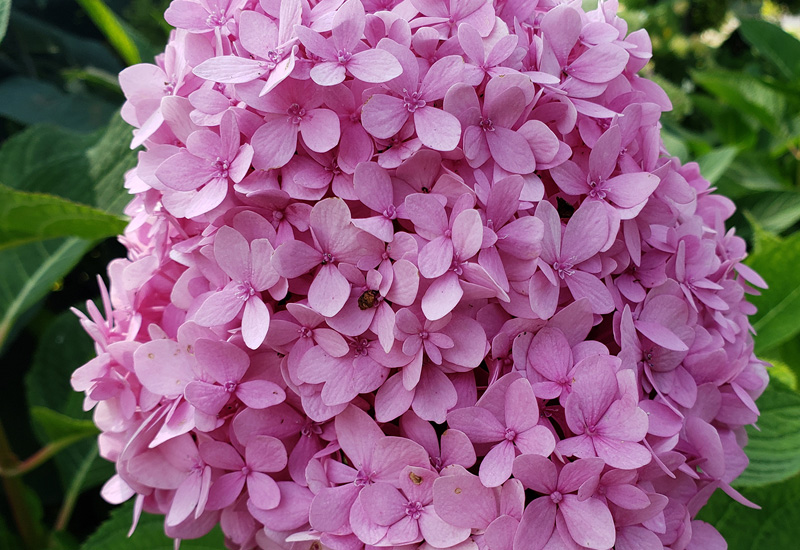
Hydrangeas. A hydrangea is a standout Mother’s Day gift because of its “wow factor,” said Trinklein. Few plants offer such massive, lush clusters of flowers that can instantly brighten any landscape. Often seen as a symbol of heartfelt emotion, they are available in a variety of sizes, leaf shapes and flower forms. Thanks to inter-specific crosses, hydrangeas that bloom all season long are now available.
Azaleas. An azalea is a quintessential Mother’s Day gift, often referred to as the “Royalty of the Garden.” These shrubs are prized for their spectacular, carpet-like display of flowers that can completely hide the foliage when in full bloom. Reblooming azaleas are available for added color later in the growing season.
Daylilies: Daylilies are perfect Mother’s Day gifts, symbolizing maternal love, devotion and joy, particularly in Chinese culture, where they are traditionally known as the “forget-sorrow” plant. These low-maintenance perennials thrive in sunny spots, offering vibrant colors that return every year, representing lasting appreciation.
Gardenias. Known for their waxy, snow-white petals and a fragrance that can perfume an entire yard, gardenias are the “luxury” choice among outdoor Mother’s Day plants. They are not winter-hardy in Missouri, so they must be treated as a potted plant that can be taken indoors before the first fall frost.
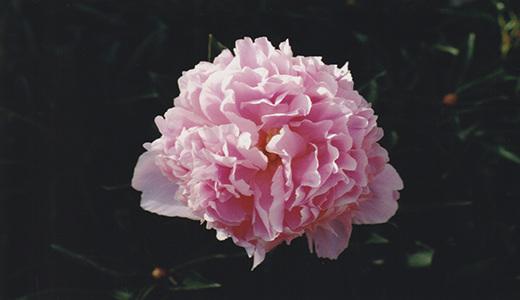
Peonies. A peony is often considered the “queen” of Mother’s Day flowers. They are famous for their massive, pillowy blooms that look like something out of a fairy tale. While they have a shorter blooming window than a rose, their sheer beauty and “heirloom” status make them an incredibly sentimental gift.
Flowering shrubs and trees. Flowering shrubs and trees are the grand gestures of Mother’s Day gifts. They aren’t just plants; they are permanent landmarks in a landscape that grow alongside the family. They offer a larger-scale beauty that can transform a yard into a private sanctuary.
Hanging baskets. A hanging basket filled with annuals is the “ready-to-wear” version of a Mother’s Day plant gift. It provides instant, high-impact color without requiring Mom to get her hands dirty or find a spot in the garden right away. Hanging baskets take advantage of vertical space and allow for a lush garden feeling without the need for a flower bed or heavy landscaping work.
“Giving an outdoor plant for Mother’s Day shifts the sentiment from a fleeting gesture to a living legacy,” said Trinklein. “While a bouquet is a beautiful ‘thank you’ for today, a flowering garden plant is an investment in her future peace and joy.”
PHOTO: Hydrangeas burst with blooms summer and fall in colors ranging from blues and white to lavender and pinks. (Photos courtesy of Katie Kammler │ University of Missouri Extension)