Residual fertility: Looking deeper at the value already in the soil
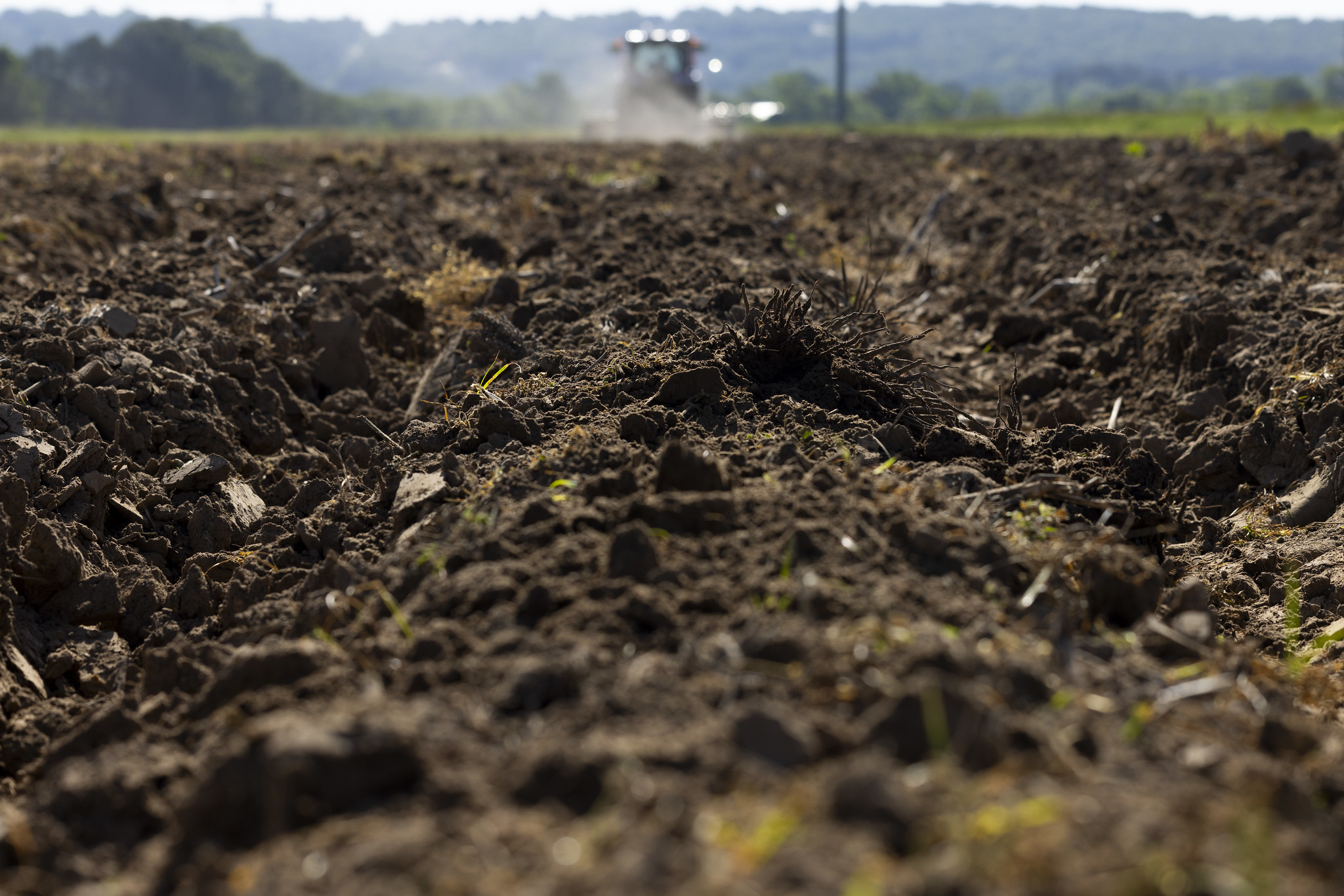
When evaluating farmland, producers often focus on the big-ticket items: Acres, yield potential, irrigation, and price. But one factor that can materially affect the value of a deal is easy to overlook: Residual soil fertility.
Nutrients left behind from prior fertilizer or manure applications can carry real value for the next operator. In some cases, phosphorus and potassium already present in the soil may reduce future fertilizer needs, influence negotiations between buyers and sellers, and improve the economics of a land purchase or lease.
For that reason, soil fertility deserves a place alongside yield history and water access in any land evaluation. Understanding nutrient levels can help producers better assess what they are acquiring and whether those nutrients are likely to deliver value over time.
Why residual fertility matters
Residual fertility can directly affect the economics of a land purchase or lease. When phosphorus and potassium levels are already high enough to support crop production, the next operator may be able to reduce fertilizer applications in the near term. In a time of tight margins and continued input cost pressure, that can improve cash flow and change how producers evaluate a field’s overall value.
That value can also influence negotiations. A seller may view strong soil test levels as part of the property’s value, while a buyer or tenant may want to understand how long those nutrients are likely to support crop production. In that sense, soil nutrients are more than an agronomic detail—they can become part of the financial conversation, much like irrigation capacity, yield history, or property improvements.
“Residual fertility isn’t always reflected in the sale price, but it’s increasingly part of the conversation,” said Quint Shambaugh, lead land adviser at Pinion. “Sophisticated buyers are factoring it into their diligence, and it’s coming up more often than most people expect. Even when it doesn’t move the number, it changes how buyers and sellers evaluate the true return on the property.”
What you should check before closing
Before a land deal closes, producers should consider getting a current soil test. If residual fertility could affect the economics of the transaction or raise possible tax considerations, it makes sense to evaluate nutrient levels early in the process.
Chris Pfannenstiel, tax adviser at Pinion, recommends working with a qualified agronomist and relying on lab-based analysis to support any evaluation. He also advises producers to consult their certified public accountant or tax adviser before making assumptions about tax treatment.
Tax considerations: Proceed with caution
While the agronomic value of residual fertility is often the first consideration, some producers also explore whether those nutrients create potential tax planning opportunities.
“As producers look for ways to improve cash flow, residual fertility is receiving more attention than it did in the past,” Pfannenstiel said. “Producers may be paying for nutrients that are already in the soil. That’s where tax considerations can come into the conversation—but it’s not straightforward, and it depends on the specifics of the situation.”
Whether a producer may qualify depends on several factors, including how the land is acquired, whether it is used for agricultural production, whether the landowner bears the economic risk, whether the taxpayer has basis in the property, and whether the facts support the treatment being considered.
These discussions typically focus on phosphorus and potassium already present in the soil. Depending on the circumstances, tax treatment may be evaluated under different approaches and might be tied to the value of nutrients left by prior operators. However, qualification requires careful analysis and strong supporting documentation.
In any case, that includes a third-party soil test conducted by a qualified agronomist, along with detailed sampling and lab-based results.
“Dense sampling—typically 2.5 acres—can help provide the level of detail needed for both documentation and sound agronomic decision-making,” Pfannenstiel said.
That documentation also comes with a cost. Before moving forward, producers should consider not only the cost of sampling, but also the documentation required and any future recapture implications.
“Trying to support the opportunity retroactively can create added risk, and in many cases, it may not be practical to pursue after the fact,” Pfannenstiel said. “The cost of sampling and documentation needs to be fully considered, and anyone looking to sell the property should consult their CPA regarding potential recapture of any deductions taken.”
What it means for your next land deal
Residual fertility is easy to overlook, but it can play a meaningful role in the financial side of a land transaction. Nutrients already in the soil may reduce future input costs, influence negotiations, and create additional planning opportunities for buyers and operators.
As land values remain high and margins stay under pressure, understanding what’s already in the soil can help producers make more informed investment decisions. A current soil test may not change every deal, but it can provide valuable insight into both the agronomic and financial potential of a property.
“At the end of the day, you’re not just buying acres—you’re buying what’s already in the soil,” Shambaugh said.
Editor’s note: Keaton Dugan, a certified public accountant, advises farmers and agribusiness owners on strategic tax planning, succession strategies, and long-term financial sustainability. Whether the goal is to expand operations, transition ownership, or optimize tax structures, Dugan draws on his experience as a trusted adviser and his background working on his family’s multi-generational farm to deliver practical, tailored solutions. Contact him at [email protected].