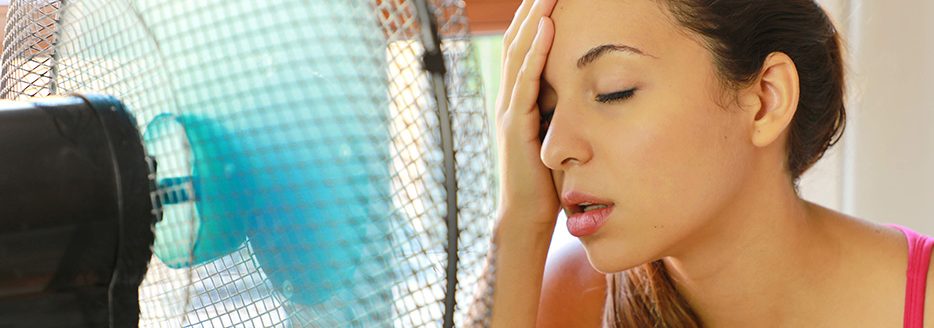
AgriLife Extension experts explain symptoms, treatment and prevention of heat-related illnesses
Summer is a great time to enjoy the outdoors, but extreme heat can quickly become dangerous.
According to the Centers for Disease Control and Prevention, CDC, extreme heat causes hundreds of deaths and thousands of emergency department visits in the U.S. each year.
Texas summers often bring high temperature and heat index values — what the temperature feels like to the human body — above 100 degrees. These conditions make Texans more susceptible to heat exhaustion, which can lead to life-threatening heatstroke if not taken seriously.
Texas A&M AgriLife Extension Service specialists Debra Kellstedt, DrPH, and Michael Lopez, DrPH, explain how to recognize the symptoms of heat exhaustion and heatstroke and how to prevent both.
What is heat exhaustion?
Heat exhaustion happens when your body loses too much water or salt, usually through excessive sweating, Kellstedt said. Your body naturally cools itself during physical activity by sweating. However, she said, cases of extreme heat and high humidity can make it difficult to cool down fast enough through sweat.
Heat exhaustion symptoms
When outside in hot weather, watch for these signs that you could be heading toward heat exhaustion:
- Exhaustion or weakness
- Agitation
- Headache
- Dizziness
- Cold, pale and clammy skin
- Tingling skin
- Fast, weak pulse
- Fast, shallow breathing
- Heavy sweating
- Nausea
- Muscle cramps
Symptoms often develop gradually during prolonged exposure to heat or physical activity and should never be ignored.
Heat exhaustion versus heatstroke: What’s the difference?
Heat exhaustion is a serious heat-related illness that can progress to heatstroke if not recognized and treated promptly.
According to the CDC, heatstroke is the most severe heat-related illness and can happen when someone’s temperature rises above 103 degrees. During heatstroke, the body can reach 106 degrees or higher within 15 minutes.
“Heat exhaustion should be taken very seriously because it can lead to heatstroke, which can be fatal,” Lopez warned.
What should you do if you have heat exhaustion?
If you experience heat exhaustion symptoms, Lopez advises:
- Sip cool water.
- Loosen tight clothing.
- Apply cool, wet cloths to the head, face and chest.
- Move to a shaded or air-conditioned area, if possible.
Heatstroke symptoms
Seek medical attention if your temperature reaches 103 degrees or higher and you experience any heatstroke symptoms, which include:
- Headache
- Weakness
- Confusion
- Dizziness
- Agitation
- Slurred speech
- Hot, red skin
- Fast, strong pulse
- Nausea and/or vomiting
- Loss of consciousness
- Inability to sweat
How to prevent heat exhaustion and heatstroke
Before you step outside to work or enjoy outdoor activities, ask yourself the following questions.
When is the best time to go outside?
If possible, stick to the coolest times of the day — early mornings or evenings — especially for strenuous activity.
The National Weather Service warns against prolonged exposure and physical activity when the heat index reaches 80 degrees. A heat index of 90 degrees or more greatly increases the possibility of heat-related illness.
Are you taking breaks?
Plan frequent rest breaks in shaded or air-conditioned areas, especially during strenuous work or physical activity.
Are you wearing the right clothing and sunscreen?
When going outside in hot weather:
- Wear loose-fitting, lightweight clothing that allows your body to cool properly.
- Wear a wide-brimmed hat and sunglasses.
- Apply sunscreen with SPF 30 or greater because sunburn can prevent your body’s ability to cool. Reapply sunscreen every few hours.
Are you staying hydrated?
Drinking plenty of fluids helps your body sweat and maintain its temperature.
The CDC recommends drinking 1 cup of water every 15-20 minutes when working in the heat as well as drinking water before and after time in the heat.
“Don’t wait until you are thirsty to drink fluids,” Kellstedt advised.
If you are participating in physical activities or outdoor work lasting more than an hour, consider drinks with electrolytes and limit sugary drinks and alcohol.
Are you more vulnerable to heat?
Some people are more likely to develop heat-related illnesses, including:
- Older adults
- Outdoor workers
- Athletes
- Babies and young children
- Pregnant women
- People with medical conditions like diabetes, high blood pressure, heart disease and obesity
Some medications can also increase your risk, so be sure to consult your healthcare provider about heat-induced side effects.
Listen to your body
We often associate heat-related illnesses with outdoor activities. However, they can also occur in spaces without adequate cooling, like garages, warehouses, workshops and attics.
Whether braving the heat inside or out, Lopez said that listening to your body is key. “If something doesn’t feel right, don’t try to push through it,” he said. “Move to a cooler space and begin cooling down immediately. Stay hydrated and seek medical care if symptoms don’t improve or worsen.”