
Four expert-backed tips to stop these prickly lawn pests before they take over your yard
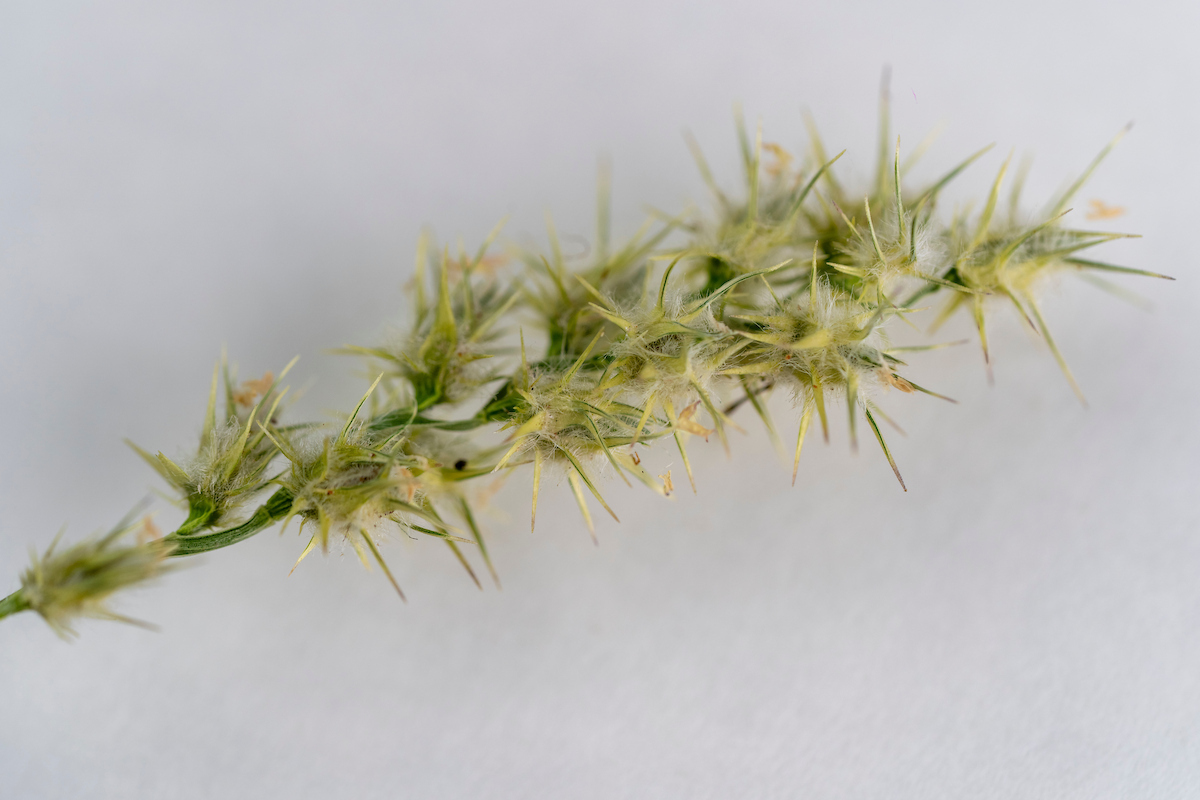
If you’ve ever walked barefoot in your backyard and stepped on one of those tiny, spiky seed pods, you already know why sandburs — sometimes called grass stickers — are public enemy No. 1 for lawns.
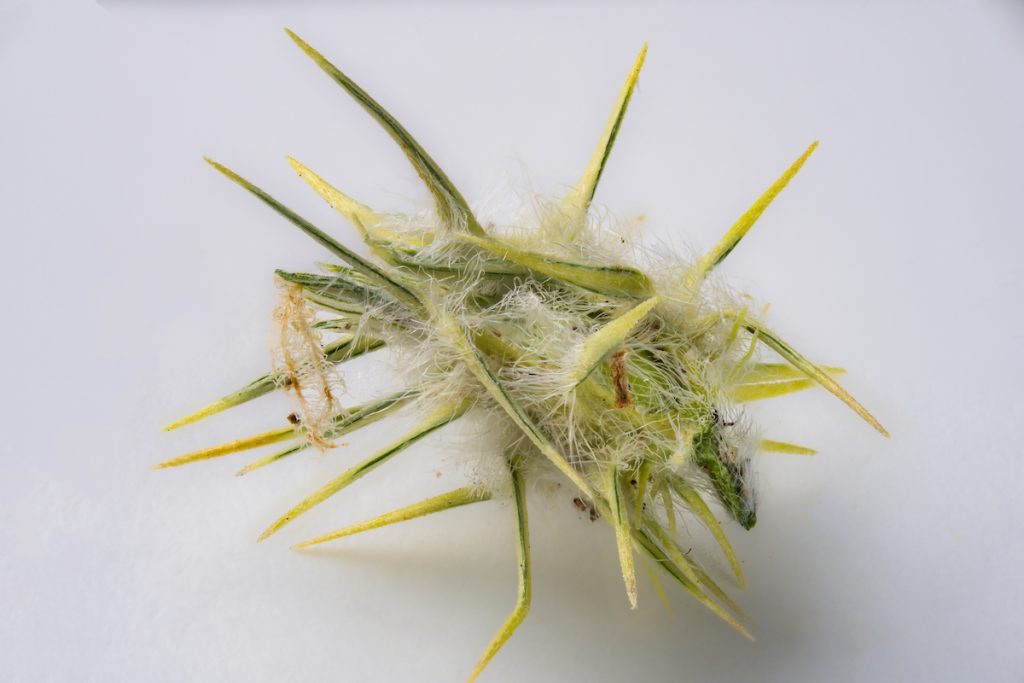
They’re a weedy grass with sharp, barbed capsules that latch onto shoes, socks, pet fur and bare feet alike. For kids and pets who play outside, that’s more than an annoyance – it can be a health and safety concern.
The good news: You don’t have to live with them. Pablo Agustin Boeri, Ph.D., a statewide turfgrass specialist with the Texas A&M AgriLife Extension Service in the Department of Soil and Crop Sciences in Dallas, shares four practical steps for getting sandburs under control — and keeping them from coming back.
“Sandburs, like many other weeds, are opportunistic, and we need to keep that in mind when we try to control them,” Boeri said. “Usually, we want to remove weeds from a lawn for aesthetics, but sandburs can be a health concern, especially for children and pets.”
Why sandburs are so hard to shake
Sandbur seed pods spread by clinging to clothing or animals that brush against them, Boeri said.
Sandburs can grow as annuals and/or perennials depending on where you live, and their seeds have an unusually long germination window, with some lying dormant in soil for up to eight years before sprouting. That staying power is what makes them so tough to eliminate.
Tip 1: Know your climate and your sandburs’ life cycle
In cooler regions, sandburs typically behave like summer annuals, dying back each year and regrowing from seed. In warmer, southern areas, they can survive winter as living plants, acting more like perennials. There are also perennial types that will go dormant in the winter, like your turfgrass, and grow back in spring.
That difference matters because your control strategy — and its timing — should match where sandburs are in their life cycle. Adding to the challenge, sandbur pods contain two seed types with different dormancy periods, so germination can stretch out for three years or more.
Tip 2: Time your preemergence herbicide right
Preemergence herbicides can be a useful tool, with one big caveat: They stop new seeds from sprouting, but they won’t kill plants that have already emerged.
Timing is everything. Sandbur seeds can start germinating in soil temperatures as low as 52 degrees, and they’ll continue sprouting at low levels throughout summer. But peak emergence hits once soil reaches about 72 degrees — and plants that emerge during that window tend to produce the most burs.
Apply a preemergence product before that peak window, then follow with a second application based on the product label, your soil type and local weather.
Boeri recommends looking for these active ingredients:
- Dithiopyr
- Indaziflam
- Oryzalin
- Pendimethalin
“If you apply a preemergent, and you notice a few sandburs still emerge, there is a chance they may be resistant to the herbicide,” Boeri said. “Remove those plants by hand, mechanically or kill them with a post-emergent herbicide.”
Tip 3: Choose the right post-emergence herbicide
Here’s a frustrating fact: Most post-emergence herbicides sold at retail stores aren’t labeled for sandburs. For homeowners, the most accessible post-emergent option contains imazaquin, which is available online and at many home and garden retailers.
Some highlighted professional-grade products — containing flazasulfuron, or a combination of thiencarbazone, iodosulfuron and dicamba — work well, but Boeri said these are for licensed commercial applicators. He also noted that flazasulfuron is only for use on Bermuda grass and zoysia grass.
“If you have an established population, using both pre- and post-emergent herbicides can be an effective combination to keep sandburs at bay,” Boeri said. “Preemergent will keep new sandburs from emerging, then you kill any that were missed with the post emergent. After adult plants are controlled, remember to continue with a preemergent herbicide program in spring and summer to keep them from returning.”
Always read and follow the product label, no matter which herbicide you choose and carefully calibrate your application equipment.
Tip 4: Grow thick, healthy turfgrass — your best long-term defense
Herbicides can be hit-or-miss, plus they cost time and money. That’s why Boeri said the single best long-term strategy against sandburs is simple: maintain dense, healthy turfgrass that doesn’t leave sandburs any room to grow.
“Remember that weeds are opportunistic and will take advantage of open spots in your lawn,” he said.
While most turfgrasses require fertile soil, sandburs can thrive in poor soil, so start with a soil test to find out exactly what your lawn needs. From there, follow fertilization and care recommendations suited to your soil type and grass species.
Your local AgriLife Extension office can provide a soil test kit along with sampling and mailing instructions.
Bonus tips: Watering and mowing habits that help
Two everyday habits make a big difference in lawn health, Boeri said: irrigation and mowing.
Watering: Most homeowners water too much. Irrigating too early in the season or too frequently can lead to shallow roots, weaker turfgrass and more vulnerability to disease and drought. For personalized, weather-based watering guidance, try AgriLife Extension’s free WaterMyYard app — if your area is covered — or browse AgriLife Extension’s lawn irrigation resources.
Mowing: Cutting at the right height and frequency for your grass type matters too. Scalping your lawn — cutting it too short — opens the door for sandburs to germinate. Keep in mind that different warm-season grasses need different mowing heights; Bermuda grass and St. Augustine, for example, prefer different cuts.
And when sandburs are seeding, bag and dispose of your clippings rather than leaving them on the lawn — this helps cut down on next year’s seed bank for sandburs and other weeds alike.
“Consistent practices that make your lawn a place where turfgrass thrives makes it difficult for sandburs,” Boeri said. “As much as we hate grass stickers, these weeds hate a healthy lawn.”
TOP PHOTO: Sandburs are nasty little weed seed pods with sharp spines. Ridding your lawn of them takes some time and effort, but it can save you some real pain around the house. (Michael Miller/Texas A&M AgriLife)



