White House releases specifics on foreign beef importation executive order
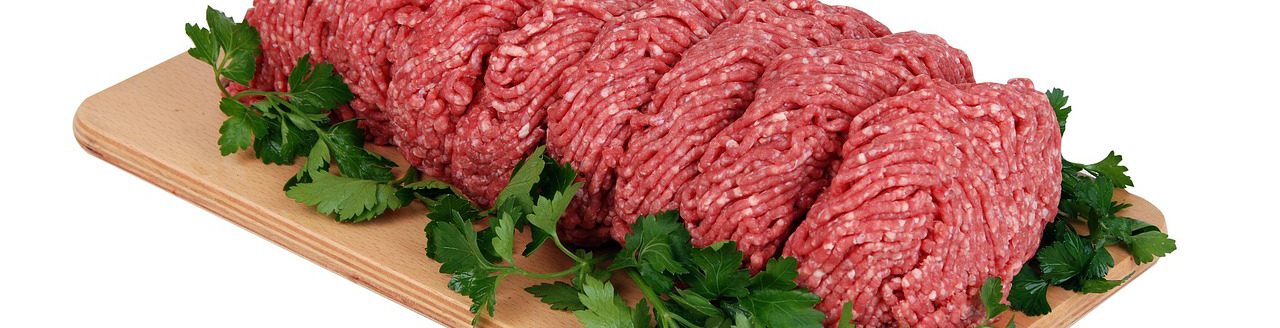
President Donald Trump signed a proclamation temporarily expanding the quantity of lean beef trimmings eligible for lower, in-quota tariffs as the administration seeks to address beef affordability and United States supply constraints.
The White House released a fact sheet with details on the executive order Aug. 26. According to the fact sheet, the action takes effect on Sept. 1 and lasts 90 days. It allows up to 100,000 tons of lean beef trimmings per month to enter under the expanded quota.
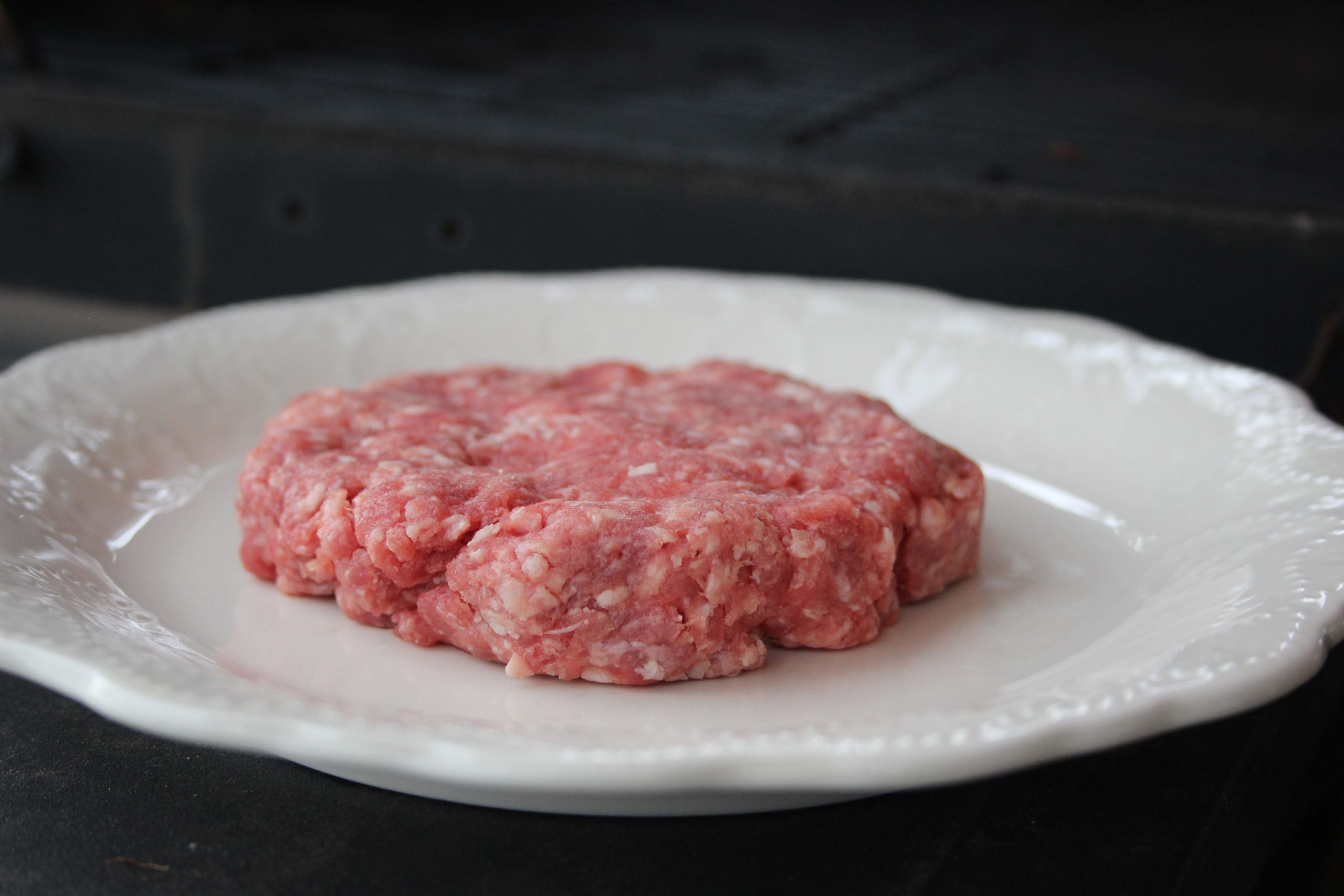
The imported trimmings must be used in combination with U.S. beef for ground beef production. The administration said the policy encourages beef to be sold at a 25% discount from the prevailing import price.
The expanded quota does not change commitments involving countries with free trade agreements with the U.S. and does not apply to countries with country-specific beef quotas.
The White House said the additional imports are expected to increase beef supplies by roughly 10% over current projections. The action is intended to compete primarily with cull cow markets rather than significantly affect the fed cattle market.
Reasons for the executive order
The administration said the proclamation comes as the U.S. beef supply faces several challenges. The U.S. Department of Agriculture forecasts 2026 beef production will decline by about 4% from 2025 levels.
The administration also cited restrictions on live cattle imports from Mexico intended to limit the spread of New World screwworm, drought conditions and reduced feed and forage availability associated with wildfires.
The fact sheet states the closure of southern ports to Mexican for live animal imports resulted in a loss of hundreds of thousands of metric tons of beef that otherwise would have been produced in the U.S.
According to the administration, the expanded quota will not replace all of the beef that would have been available without the border restrictions. It also characterized the measure as temporary while supply challenges persist.
The administration cited efforts to rebuild the U.S. cattle herd, saying cattle numbers are increasing for the first time since 2018, and ranchers are retaining heifers at higher rates.
The fact sheet also points to other actions taken by the Trump administration, including measures related to agricultural regulation, taxes, cattle industry investment, protection of the U.S. herd from NWS and competition in the food sector.
The administration said the latest action is intended to lower costs for consumers while supporting U.S. ranchers as they rebuild domestic cattle supplies.
Agriculture urges Trump to rethink the order
From the day the executive order was announced, agricultural organizations have denounced it, saying the action would not lower the price of beef for consumers, and it would only punish U.S. cattle producers.
The American Farm Bureau Federation, Livestock Marketing Association, National Cattlemen’s Beef Association and United States Cattlemen’s Association teamed up to write a letter to Trump to urge him to reconsider his plan to import more foreign beef. The letter requests that the president instead work with their organizations to find solutions to economic challenges without underbidding market prices.
“On behalf of America’s cattle producers and the broader livestock industry, we write to express our deep concern with your announced plan to import up to 300,000 metric tons of beef over the next 90 days. The stated purpose of driving down beef prices and the commitment to sell it at a price that undercuts domestic supply send a disheartening message to farmers and ranchers across the country.
“We share your goal of keeping groceries affordable for American families. However, flooding the market with discounted foreign beef is not the way to rebuild the American cattle herd, strengthen food security, or lower grocery bills in a lasting way. This announcement has already driven cattle markets sharply lower and undermines producers at a critical time of year when they are marketing cattle and making herd-building decisions.
“Beef prices are in line with other consumer prices and reflect the inflated cost of raising cattle, grain, and forage. Ranchers and farmers are finally experiencing the strong beef demand needed to invest in their operations after years of drought, high input costs, processing plant disruptions, and other challenges that have reduced cattle numbers. This announcement will discourage investment in the U.S. cow herd and undo the progress producers have made.
“We are deeply concerned that this import strategy sacrifices long-term food security for a short-term solution. Americans deserve safe and wholesome beef free from any market distorting actions. There is nothing more American than beef, and we look to your leadership to ensure resilience for our farmers and ranchers, which is the only long-term way to prevent higher grocery costs and maintain control over our food supply.
“American cattle producers are asking you for a fair and competitive market, honest price signals, and policies that put U.S. farmers, ranchers, and consumers first. We urge you to reverse course on this 90-day import plan and work with us instead on solutions that strengthen, rather than weaken, America’s capacity to feed itself. We stand ready to work with you on policies that keep food affordable, protect producers and consumers, and preserve a viable future for the U.S. cattle industry.”
Read the full fact sheet at: https://www.whitehouse.gov/fact-sheets/2026/08/fact-sheet-president-donald-j-trump-further-ensures-affordable-beef-for-the-american-consumer/
Lacey Vilhauer can be reached at 620-227-1871 or [email protected].