New guide shows how home gardeners can boost soil health with cover crops
Iowa State University Extension and Outreach horticulture specialists have shared a new publication designed to help gardeners improve soil fertility, structure and the overall garden microbiome. “Cover Crops for Home Vegetable Gardens” is available on the ISU Extension Store at no cost.
Continuous vegetable gardening can deplete soil productivity over time. Publication authors Aaron Steil, consumer horticulture specialist, and Ajay Nair, professor and chair of the Department of Horticulture and extension vegetable production specialist, note that while traditional gardening focuses on the harvest, cover crops are grown specifically to maintain and improve the soil, as well as manage weeds, pests and diseases.
“A lot of cover crop information is written for agricultural producers. We wanted a resource specifically for home gardeners that answers practical questions about timing, species selection, management and where to find seed in quantities that are practical and achievable for backyard gardeners,” said Steil.
The guide details several ecological advantages for the home landscape, including:
- Soil building: Cover crops add organic matter that enhances water retention and supports beneficial soil microbes.
- Natural fertilizer: Specific crops, such as clovers, can “fix” nitrogen from the atmosphere, enriching the soil for future vegetable plantings.
- Erosion and weed control: These crops stabilize soil during the off-season and compete with weeds for light and space.
- Pest management: Integrating cover crops into rotations can help break pest and disease cycles.
A unique focus of the guide is the “exit strategy,” or termination. To prevent cover crops from becoming weeds themselves, they must be managed properly. For beginners, the guide recommends “winter-kill” species that naturally die off during cold winter temperatures. For more experienced gardeners, the guide provides instructions for advanced termination methods.
The publication also outlines specific schedules to help gardeners maximize benefits. To simplify the transition to cover crops, the guide includes a list of reputable seed sources that provide smaller quantities and specialized mixtures best suited for home-scale gardening.
To access the publication, visit the ISU Extension Store.
For more information, contact Aaron Steil at [email protected].
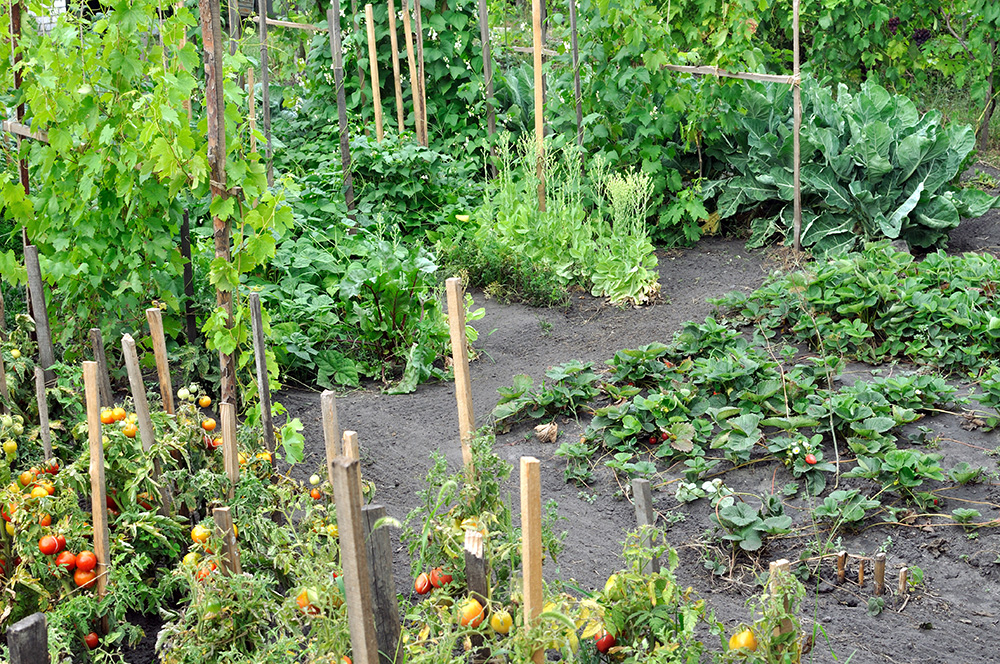
PHOTO: Organically cultivated various vegetables in the vegetable garden. (Adobe Stock │ #284921579 – beerfan)