
Breaking down the breed: Welsummer
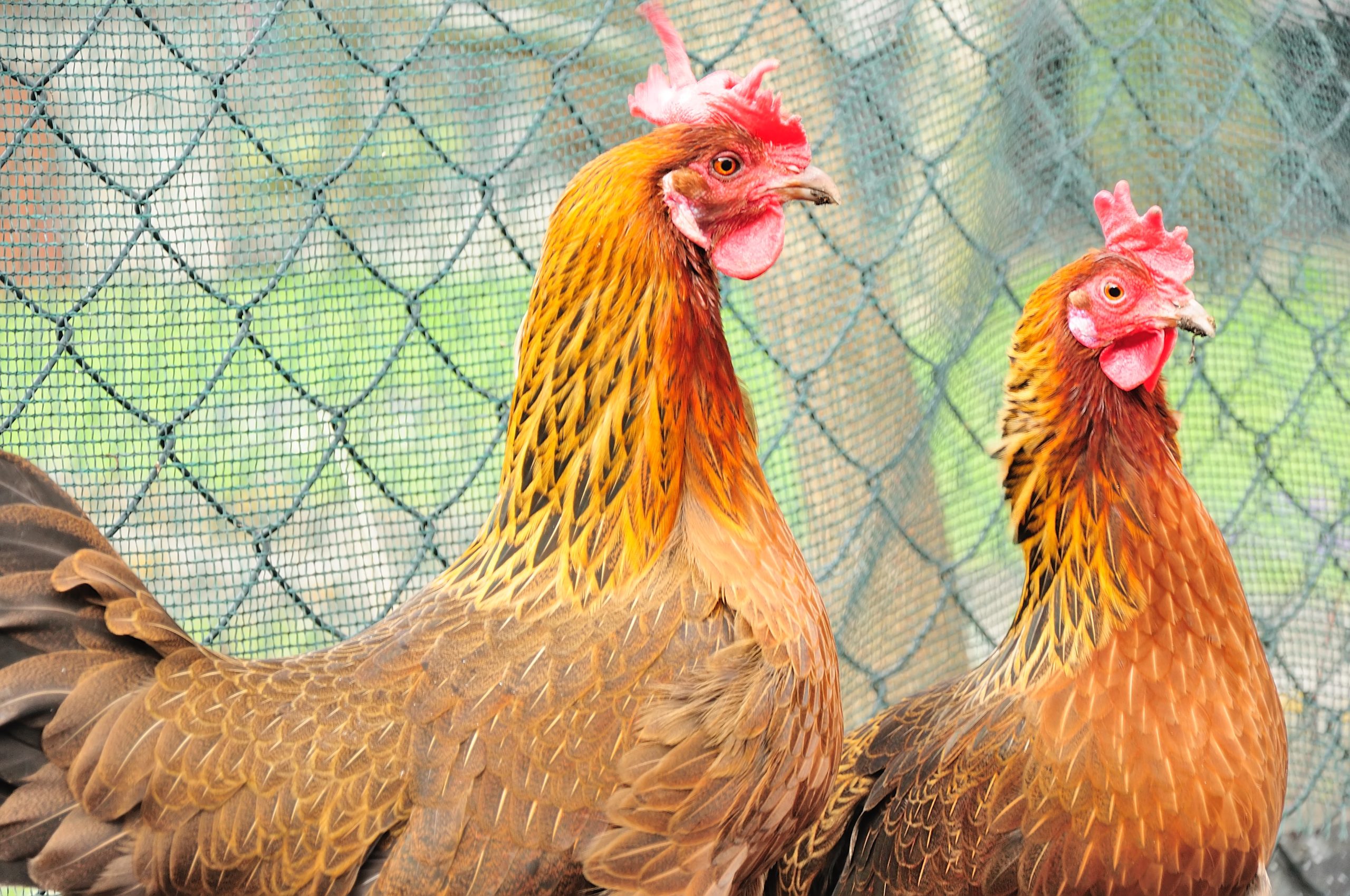
The Welsummer chicken is a Dutch dual-purpose breed known for its dark brown, often speckled eggs, and its utility for both egg and meat production. The breed is a common choice among backyard chicken keepers, valued for its temperament, feathering, and distinctive egg color.
Breed origins
The Welsummer originated in the village of Welsum in the eastern Netherlands. It was developed in the early 20th century from local chickens of mixed origin, including Rhode Island Reds, Barnevelders, Partridge Leghorns, Cochins, and Wyandottes.
By the early 1920s, breeders began establishing a standard as the birds developed greater uniformity. Welsummer eggs were desirable because of their dark coloring, which was thought to be healthier than white eggs at the time.
The eggs initially were exported for the commercial egg trade. Some birds later were exported to the United Kingdom, where the breed was added to the British Standard in 1930.
Recognizable coloring
The American Poultry Association recognizes one Welsummer variety, red partridge, which is the coloring most associated with the breed. The red partridge variety has brown plumage with gold coloring on the breast. Roosters feature a mix of brown, red, black, and blue coloring.
The rooster featured on the Kellogg’s Corn Flakes box is modeled after a Welsummer rooster.
Silver duckwing and gold duckwing are less common varieties and they are not recognized by the American Poultry Association. Silver duckwings have silver, white, gray and gold coloring, while gold duckwings feature gold and yellow accents.
Bantam Welsummers also are available. They are a miniature version of the red partridge variety, and their eggs are lighter in color.
Breed characteristics
Welsummers are large, upright chickens with a deep breast, broad back, and large tail. They have a single red comb, large wattles, and yellow legs. Roosters weigh about 6 to 7 pounds, while hens weigh about 5 to 6 pounds.
The breed also is autosexing, meaning male and female chicks can be distinguished by differences in their coloring and patterns at hatch. Female Welsummer chicks have a dark line extending from the eye toward the back of the head, while males have lighter brown coloring on the head and back without the dark eye line.
Hens lay about 160 to 200 eggs per year. Welsummers also are noted for their ability to withstand winter conditions. They are described as intelligent, friendly, and docile. As a dual-purpose breed, Welsummers can provide both eggs and meat, making them a multipurpose option for poultry keepers.
Lacey Vilhauer can be reached at 620-227-1871 or [email protected].



