
Breaking down the breed: Transylvanian Naked Neck
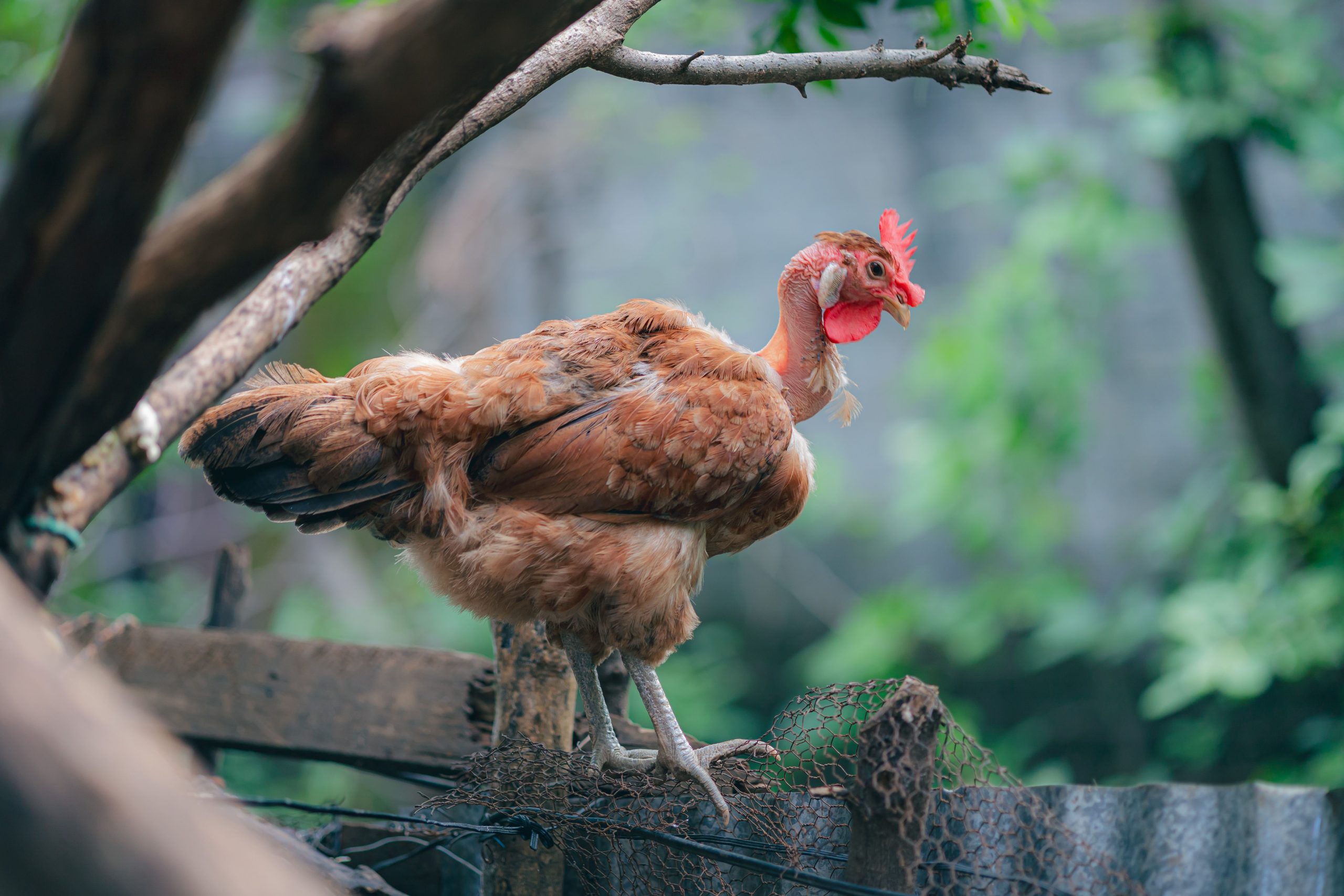
A Naked Neck chicken. (Photo by Armando H2 via Pexels.)
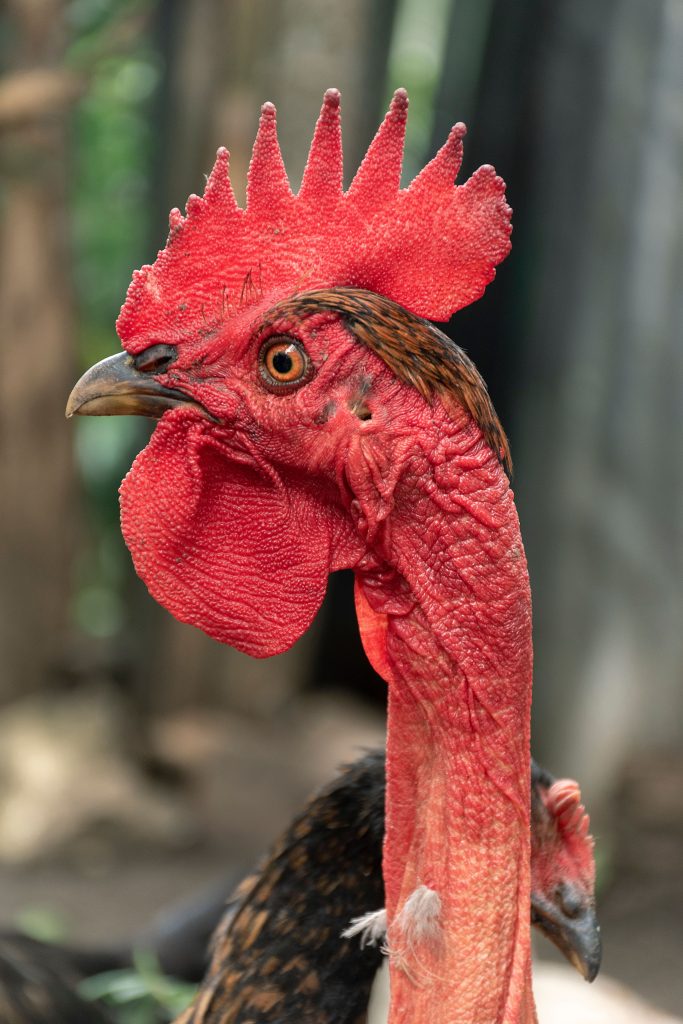
In October, the Transylvanian Naked Neck chicken, also known as a Turken, gets a seasonal spotlight. Distinguished by its lack of feathers on the neck and vent, the bird has an unusual appearance that fits the Halloween season.
The Naked Neck is a dual-purpose breed raised for both eggs and meat. The name Turken stems from the mistaken belief the bird was a hybrid of a chicken and a domestic turkey.
Origins of the Naked Neck
The breed’s origins remain somewhat of a mystery. Some believe they originated in Central Europe or Hungary. One theory traces it to Asia, where naked-necked chickens have historically been bred in some countries for cockfighting. The birds also appear in old Japanese paintings.
By the late 19th century, breeding of the Naked Neck was documented in Transylvania, now part of Romania. The breed was later refined in Germany before spreading throughout Europe and the Americas.
Naked Neck chickens were introduced to Britain in the 1920s and have been recognized by the American Poultry Association since 1965. The breed is relatively common in Europe and South America but remains uncommon in North America.
Naked Neck characteristics
Naked Necks lay about 150 to 200 light brown, medium-sized eggs per year. Their reduced feathering means means less plucking during meat processing. Naked Necks are considered friendly and can be suitable additions to backyard flocks.
The breed is known for its foraging ability and it is described as moderately cold-hardy despite having fewer feathers than other chickens. Birds require protection in extreme cold conditions.
Recognized color varieties vary by country. In the United States, accepted varieties include black, white, buff and red. The United Kingdom recognizes additional varieties, including cuckoo and blue. Bantam varieties also exist.
The naked-neck gene
The naked-neck trait is controlled by a gene known as Na on chromosome 3. The trait is incompletely dominant, meaning birds carrying one or two copies of the allele can display reduced neck feathering, although the effect is more pronounced in birds with two copies. True-breeding Naked Neck chickens carry two copies of the dominant allele.
The trait can be introduced into other chicken breeds through breeding, but birds with the trait are not necessarily members of the recognized Naked Neck breed. The genetic trait is potentially beneficial in poultry production, particularly in hot climates.
Studies published in Poultry Science and other scientific literature have examined the effects of the naked-neck gene in broiler chickens. Research has associated the trait with lower body temperatures, greater body weight gain, improved feed conversion, and preferred carcass characteristics compared with normally feathered broilers under certain conditions.
Although its unusual appearance distinguishes it from many other chicken breeds, the Naked Neck’s combination of reduced feathering, egg production and meat characteristics has made it a dual-purpose breed worth considering, even if its hair-raising appearance may take some getting used to.
Lacey Vilhauer can be reached at 620-227-1871 or [email protected].



