Farmland remains a traditional safe haven despite headwinds
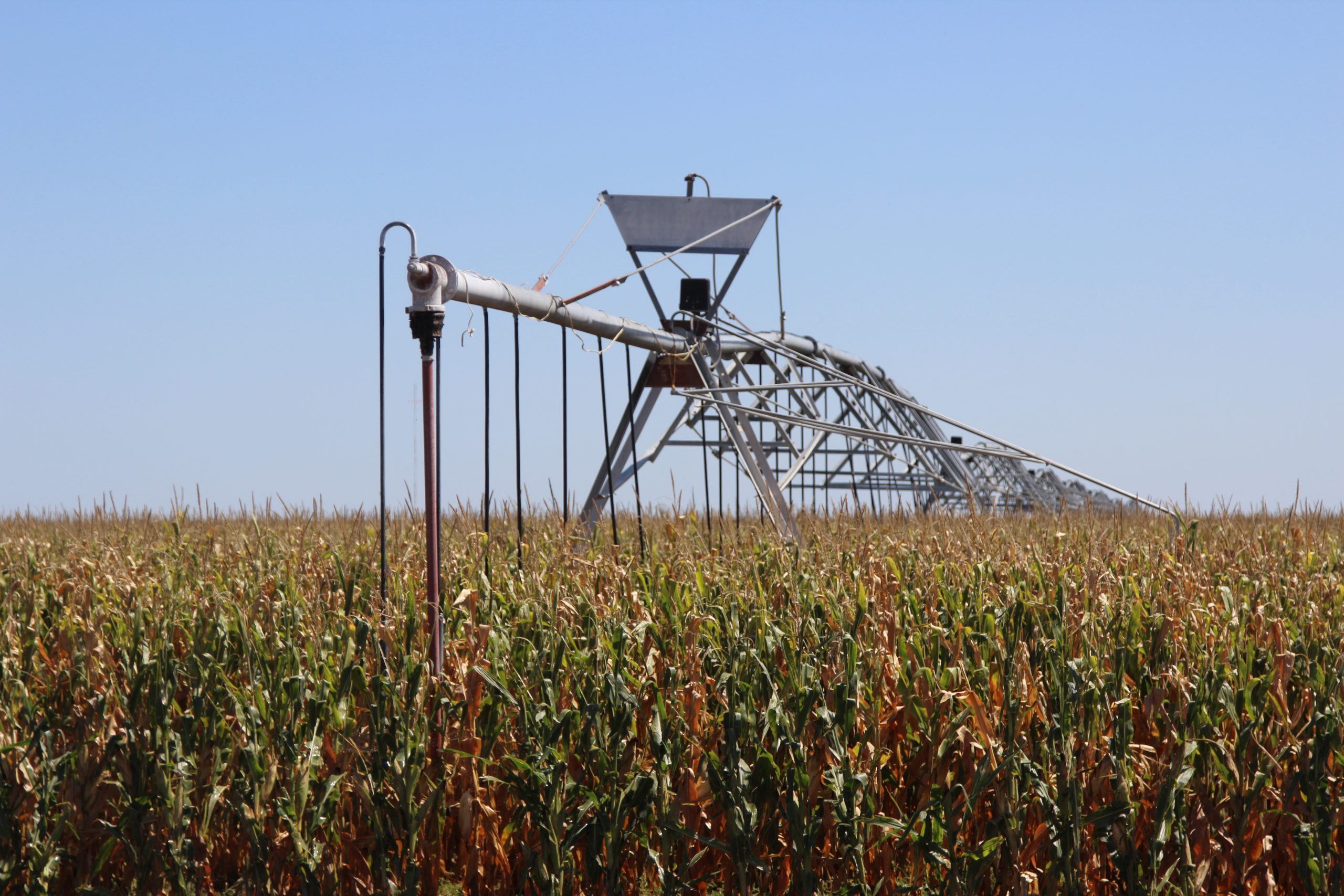
Escalating expenses may be forcing agricultural operators to adjust their budgets, but they remain steady buyers of farmland, according to those who follow trends.
Ernie Goss said farmland value growth is slowing compared with recent years, according to bankers he has surveyed. Goss is director of the Institute for Economic Inquiry and a professor of economics at Creighton University’s Heider College of Business, He is the Jack A. MacAllister Chair in Regional Economics in Omaha, Nebraska.
The era of double-digit increases in land values has ended, Goss said, although some areas continue to report strong land sales. Many producers, regardless of their state, are cautious, but they continue to see farmland as a good investment.
There are media reports of land sales reaching record highs in northern Iowa and Illinois, Goss said. Reports from Kansas, Nebraska and Missouri show slower growth, but land values generally have increased, he said.

“The reason is farm expenses and input costs are elevated and farmers are taking a long-term view,” Goss said. “If they see a piece of land with proximity to their operation they are going to take a look at it. They know it may be 40 years before it will come up for sale again and that’s an incentive to buy it.”
That is a trend bankers believe will likely continue, he said. Neighboring landowners often want to add adjacent property when equipment and facilities are already in place.
Iowa values steady
Rabail Chandio, an assistant professor and Extension economist in the Department of Economics at Iowa State University, said her state has experienced a slowdown in value increases. Iowa land values have plateaued over the past couple of years.
COVID-era increases at the start of the decade and the earlier ethanol boom fueled record growth, she said.
At the end of 2025, crop-focused central Iowa saw a decline, she said, while areas on the eastern and western edges, with more cattle activity, saw small increases.
In 2026, crop margins and farm receipts showed some recovery, alongside additional government payments. Chandio expected land values to move from small negatives toward small positives, with changes likely below 5% in either direction.
“We will probably not make any big swings, but instead of small negatives we might go into small positives,” Chandio said. “I expect we will stay below a 5% change in either direction. If we go above that, it would be a surprise to me and it wouldn’t be the first time I have been surprised.”
Chandio’s research interests include studying trends in the U.S. farmland market and examining the role of agricultural policy in driving farmers’ choices and financial outcomes. Iowa State University will release its annual land value survey in December.
Safe haven
Traditionally, farmland is considered a safe and stable long-term investment and a reliable hedge against inflation, Chandio said.
Although farmland can provide relatively stable long-term investment returns, success requires local familiarity, she said.
“Farmland is not necessarily always going to be a great short-term investment,” she said. “You can’t flip farmland like people flip houses.”
Over an extended period, farmland has proven to be a good addition to a portfolio, Chandio said. Over the past 20, 30 and even 40 years, farmland has demonstrated its value as an investment compared with the S&P 500, she said.
Production expenses high
In his banker surveys, Goss noted that most bankers express concern about agricultural equipment dealers and retailers as farmers delay major purchases and cut back on spending because of high production expenses, most notably fertilizer and diesel fuel.
Until elevated expenses decline and come into line with income, Goss said, farmers will have less appetite for significant expansion than they did earlier in the decade.
Chandio said lower farm income and pessimistic sentiment have reduced transactions, and recent value changes have reflected fewer sales. She noted that 84% of Iowa farmland is debt-free, which can allow owners to hold land through difficult periods.
Chandio said higher interest rates put downward pressure on land values through both borrowing costs and farm operating expenses, but changes may take years to show up in land values. She expects improved crop receipts and government payments to offset some of that pressure.
Goss said ranchland has continued to hold its value, too. While there may be an incentive for ranchers to expand their herds as the nation’s cattle herd is at its lowest level in 75 years, ranchers have been reluctant to buy land because an extended drought has made them cautious about forage production and water availability.
Federal payments
Seth Meyer, director of the Food and Agricultural Policy Research Institute and an associate professor of agricultural and applied economics in the University of Missouri Division of Applied Social Sciences, said increases in farmland values often correlate with federal government payments.
“Do you think that injecting $12 billion in ad hoc disaster assistance has no effect on land prices? Where does the money go if I’m renting land and the government gives me a check? What do I turn around and do with that money?” Meyer asked, then answered: “I bid higher on my land.”
Before his return to FAPRI, Meyer served as the U.S. Department of Agriculture’s chief economist from January 2021 through December 2025. Meyer was a keynote speaker at High Plains Journal’s Crops and Cattle Conference and Tradeshow in August in Kansas City, Missouri.
Meyer said outliers can have a local effect on land values, most notably data centers and renewable energy projects, but nationally they have little effect on values. Goss said discussion of data centers has cooled in recent months in Nebraska and other states.
Although members of Congress and state legislators have expressed concern about China purchasing large tracts of farmland, Meyer said the data do not support those concerns. Canada and the European Union own about 34 million acres, according to 2023 figures compiled by the U.S. Department of Agriculture. Chinese entities own about 245,000 acres, according to the figures cited. The nation’s 1.9 million farms account for about 880 million acres, the USDA reports.
One reason foreign ownership has not increased more in the U.S. is that the payoff is driven by cash flow and long-term results, which require management expertise, Meyer said.
In Nebraska, Goss said, investor groups from Omaha are interested in buying land.
Chandio said Iowa restricts corporate farmland ownership, so investors are typically individuals rather than pension or investment funds. Some investor activity in southern Iowa is tied to hunting and recreational land.
Meyer told Crops and Cattle attendees that high production expenses have pressured farm finances, but agricultural land has continued to hold its value. He said the National Agricultural Statistics Service relies on farmer input rather than transaction records for its reports.
Dave Bergmeier can be reached at 620-227-1822 or [email protected].