
Despite roadblocks broiler production expected to go up
Broiler production is expected to go up in 2026, according to the U.S. Department of Agriculture, and that appears to be in line with what a University of Arkansas Extension specialist sees.
Jada Thompson, an associate professor in agricultural economics and agribusiness, said hatchery data indicates growth. Broiler production forecasts for the third and fourth quarters were raised to 12,315 million pounds and 12,000 million pounds, respectively, based on production data reported through August and daily processing data reported through early November, according to a recent World Supply and Demand Estimates report. For the year, the projection was at 47,965 million pounds. Production and processing rates are expected to carry into 2026 with an annual production estimate of 48, 375 million pounds.
Still, there are unknowns because of the highly pathogenic avian influenza that remains the most important challenge for producers, Thompson said.
“It is a highly deadly, transmissible disease that will wipe out a house of chickens or turkeys,” he said. “It will continue until we have a mechanism to kill the virus or the commercial birds can develop immunity.”
HPAI is a seasonal disease that is host adapted, meaning it doesn’t have the same impact on the carrier birds as on chickens and turkeys, Thompson said.
“The cases are starting to come in for the fall and winter season,” she said. “Until we have a way to curtail the disease it seems like it will keep being a problem. The likely solution will be a vaccination strategy as with some other countries. I think public-private partnerships will help in developing effective, cost-efficient vaccination that protects birds.”
Turkey
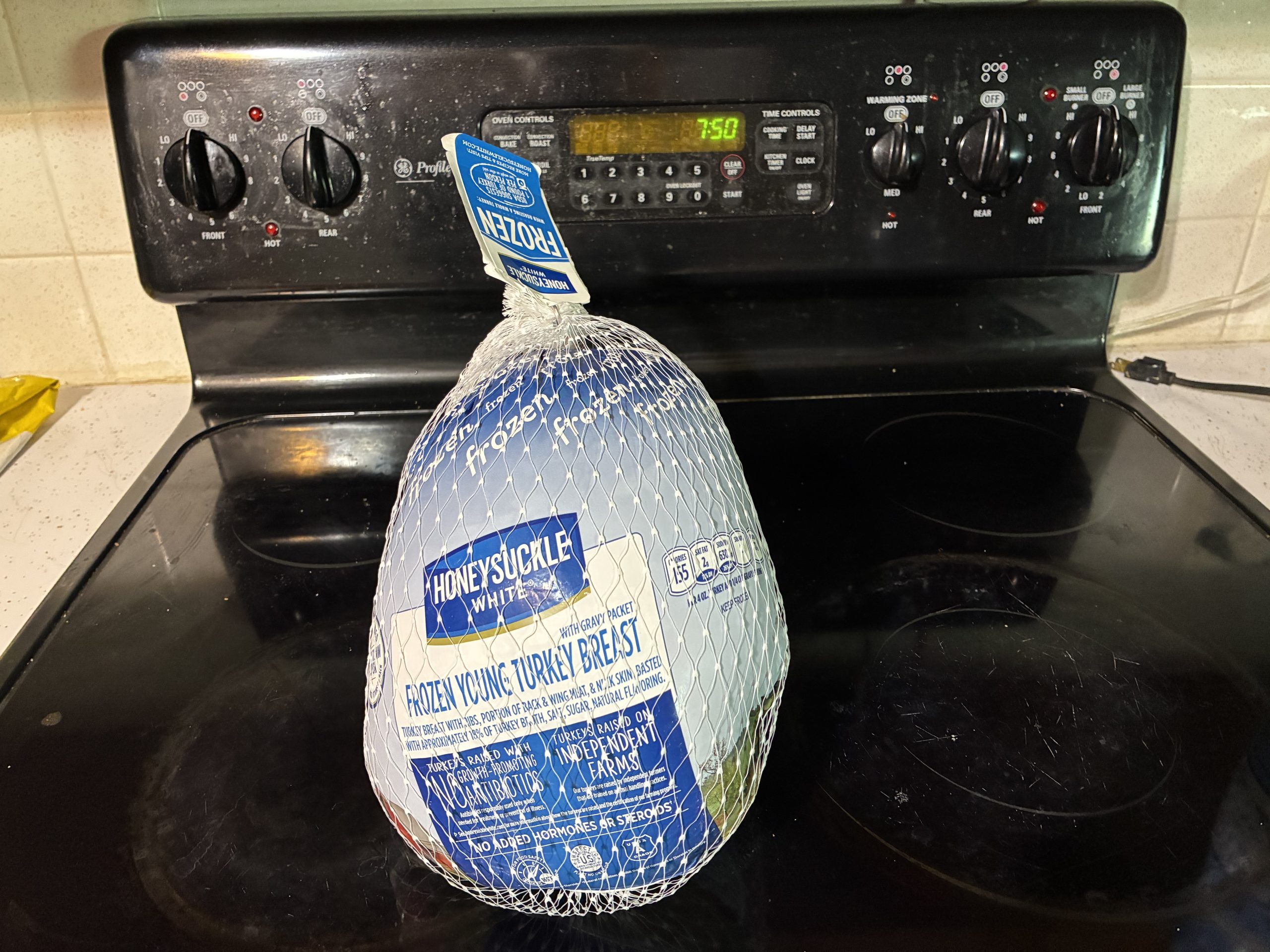
Turkey production was lowered on production data reported through August and highly pathogenic avian influenza-related culling through early November, the WASDE noted before Thanksgiving.
“The cases of HPAI were slightly on the tail end of when we would slaughter for Thanksgiving, so generally turkey supply has been impacted, but this doesn’t necessarily mean our Thanksgiving turkeys would be,” Thompson said. “Most of those would have already been in cold storage. HPAI has impacted overall turkey supply and the ability to restock, but retail prices would be based on the supply for the holidays and what retailers set prices as and there may be loss leadership for the holidays.”
On an annual basis, turkey production was estimated at 4,807 million pounds. Production was also reduced for the first and second quarters in 2026 at 1,200 million pounds and 1,220 million pounds, respectively, the WASDE reported.
Turkey prices were raised for the fourth quarter of 2025 because of reduced production expected, and that trend will continue into 2026. The price in the fourth quarter was estimated at 135 cents a pound and the price in 2026 was estimated at 140 cents a pound.
Eggs
Egg production was lowered based on production data reported through August, and avian influenza cases reported through early November. Egg production was estimated at 8,666 million dozen eggs on an annual basis. However, egg production appears to be getting back on track. Egg production was projected to be higher for all of 2026 at 9,250 million dozen eggs.
Continued biosecurity is a must, Thompson said, for that to hold up. “They are fighting a moving target that continues to come in waves,” she said. “Egg producers need to maintain tight biosecurity.”
There is some evidence of air transmission, which means it will not be easy to control and that means it is important to shore up any pathways that are under the producers’ control, she added, that means constant vigilance regardless of which segment of poultry production farmers are involved with.
It is easy to become fatigued because of the requirements of good biosecurity practices, but it is important, Thompson said.
“No one wants the disease,” she said. “Continue to do what protocols you have in place. Watch for the disease as it moves to better predict if it’s moving your way.”
Thompson said there are many people working on ways to help reduce the burden of disease for poultry producers. “I think time will tell what will be effective and become common practice.”
In 2025 to date, based on the latest data from the Animal and Plant Health Inspection Service, HPAI in commercial table egg layer flocks have resulted in the depopulation of 41.7 million birds. To date, USDA APHIS has confirmed 49 outbreaks in layer flocks in Arizona, California, Iowa, Indiana, Missouri, North Carolina, Ohio, Pennsylvania, South Dakota, Washington, and Wisconsin.
Dave Bergmeier can be reached at 620-227-1822 or [email protected].
Related coverage and resources
- Related on HPJ: Broiler production has shined in 2025
- Related on HPJ: Broiler production expected to increase
- Outside resource: USDA APHIS — Livestock and Poultry Diseases


