
Helping rural landowners with renewable energy leases
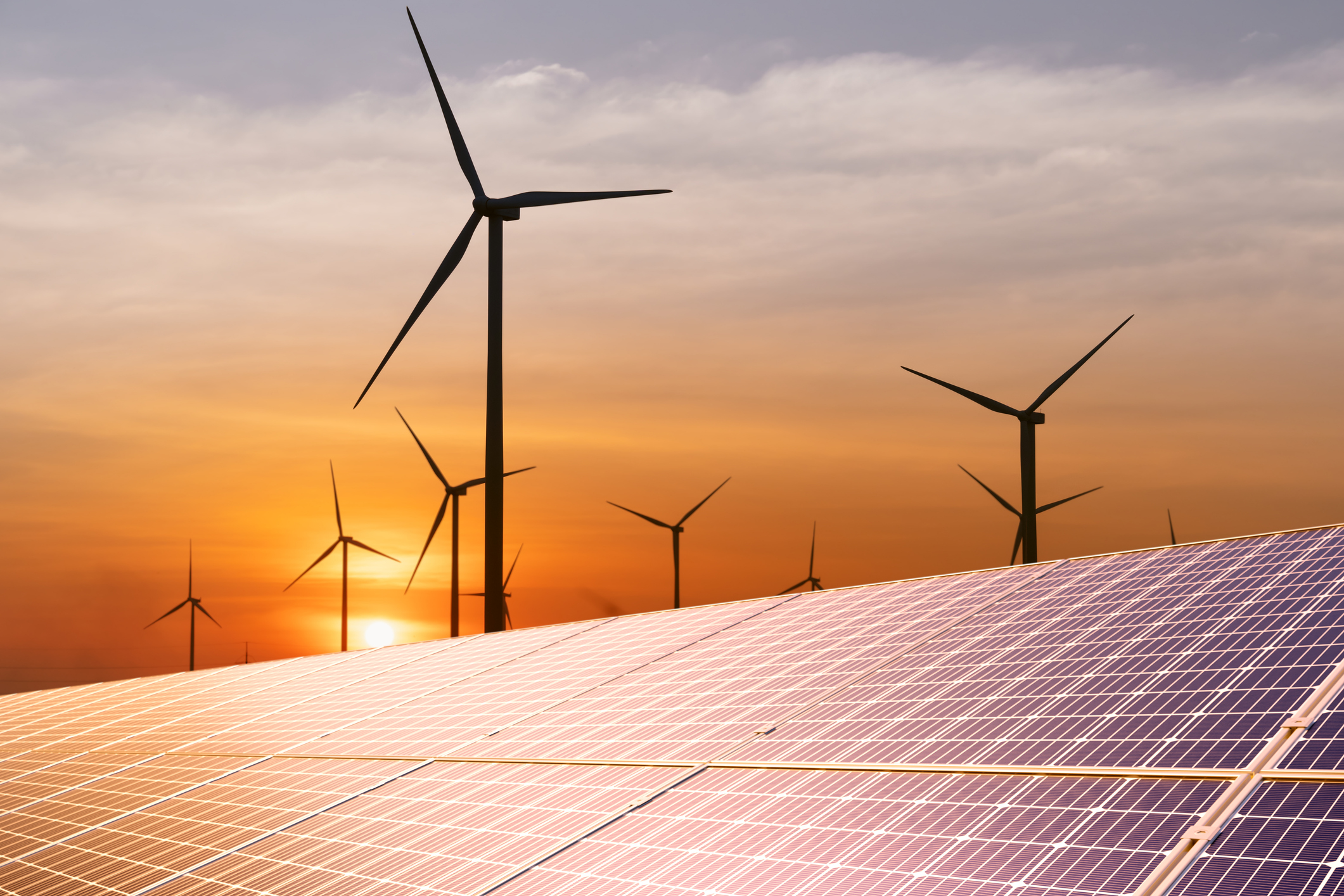
At a time when farm incomes are being squeezed from all directions, renewable energy leases have become an important income stream for tens of thousands of farmers and rural landowners.
Wind farms have even been called the “new corn.” Renewable energy lease payments are helping many farm families keep land to hand on to their children, and finance other farm operations.
While no agency or entity aggregates all the data on rural renewable energy leases—since many transactions are private—the U.S. Department of Agriculture’s Economic Research Service does collect some data on such leases. In 2024, the ERS reported that in the Midwest, 70% of solar farms and 94% of wind turbines were sited on cropland. In the West, most solar farms (60%) and wind turbines (69%) were located on pasture-rangeland.
One organization, the farmer-led Renewable Energy Farmers of America, is helping landowners negotiate renewable energy leases to their best advantage. As executive director Jeff Risley puts it with tongue gently in cheek, “We advise on a different crop.” He estimates that about 80% of solar and wind projects are sited on rural land.
Risley’s group helps landowners in four ways, he told High Plains Journal. Its website and webinars provide critical information to educate landowners. It also provides peer-to-peer networking that connects farmers and ranchers with peers who have been through the experience of leasing. REFA also helps with non-legal lease reviews and negotiation. Finally, it advocates for the rights of landowners and leaseholders as a 501(c)(6) group.
Given that renewable energy leases have been around for many years now, it may surprise some that REFA was only launched in 2025. As they have gotten more widespread, Risley said, renewable energy contracts have changed over the years.
“Landowners have gotten smarter, and leases have evolved,” he said. “About two-thirds of any lease is about the impact of the project to your operation and your land, including issues like construction, decommissioning or repowering. When will the project start after you sign the lease? Will your land be restored to its original condition? What access will you have to your land during project construction and operation?”
Each lease is different, and its terms are governed by many variables, including that perpetual real estate imperative—location, location, location. In rural areas, said Risley, location means, first of all, whether your land is in a wind corridor or a high-sunshine area. Solar generally pays more per acre than wind. Another key consideration is your closeness to the nearest connection to the grid.
“It’s very expensive to build out powerlines, so the closer your land is to a connection point like a substation, the better for you,” Risley said. “If you’re miles from a substation, it’s more expensive for the developer.”
Leases often include bonuses to cover attorney costs and escalators so lease payments keep up with inflation, since leases can extend up to 30 years. Another issue in a lease agreement is bonding to ensure decommissioning is paid for in case a project developer goes bankrupt.
Risley’s own family farm in Lane County, Kansas, is leased (along with hundreds of other landowners) for a potential 900 megawatt, utility-scale wind-solar-storage project. Projects like this are financed, built and operated by independent power producers (aka, developers). The electric power is generally sold to a large corporate buyer like a utility, Google or Amazonn.
Project developers are responsible for obtaining all necessary permits, the vast majority of which are from local jurisdictions—unless there is some federal issue involved, such as proximity to federally protected wetlands, which might require a federal permit. REFA can help with local jurisdictions that may try to limit or ban leases, which does occasionally happen. The permitting process can take months or even years, and Risley cautions that just because a lease is signed and locked in doesn’t always mean that a project will be built. According to Risley, historically about 17% of projects in the “interconnection queue” ultimately get built.
What implications does the Trump administration’s slowdown of Biden-era green incentives have for rural landowners? Risley said that before passage of the One Big Beautiful Bill Act in 2025, federal incentives led many developers to lock in as much leased land as possible. That momentum has slowed down, but “the market is dictating demand for electricity now,” he said. Demand for data centers to power artificial intelligence is a relentless market driver.
While it’s always advisable to do your due diligence in any lease agreement, including legal, Risley said, “a lot of developers are ‘farmer-first.’”
Reputable developers are highly motivated to develop good will with rural landowners and local jurisdictions.
All things considered, Risley said, “A good solid lease with a good solid developer is better than not for landowners.” What is being called “agrivoltaics” or dual use leases can offer many benefits, from attracting pollinators and plant species in shaded micro-climates under solar panels, to providing free grazing for shepherds while avoiding mowing costs for solar arrays in western states.
David Murray can be reached at [email protected].



