New World screwworm detected 60 miles from Texas border
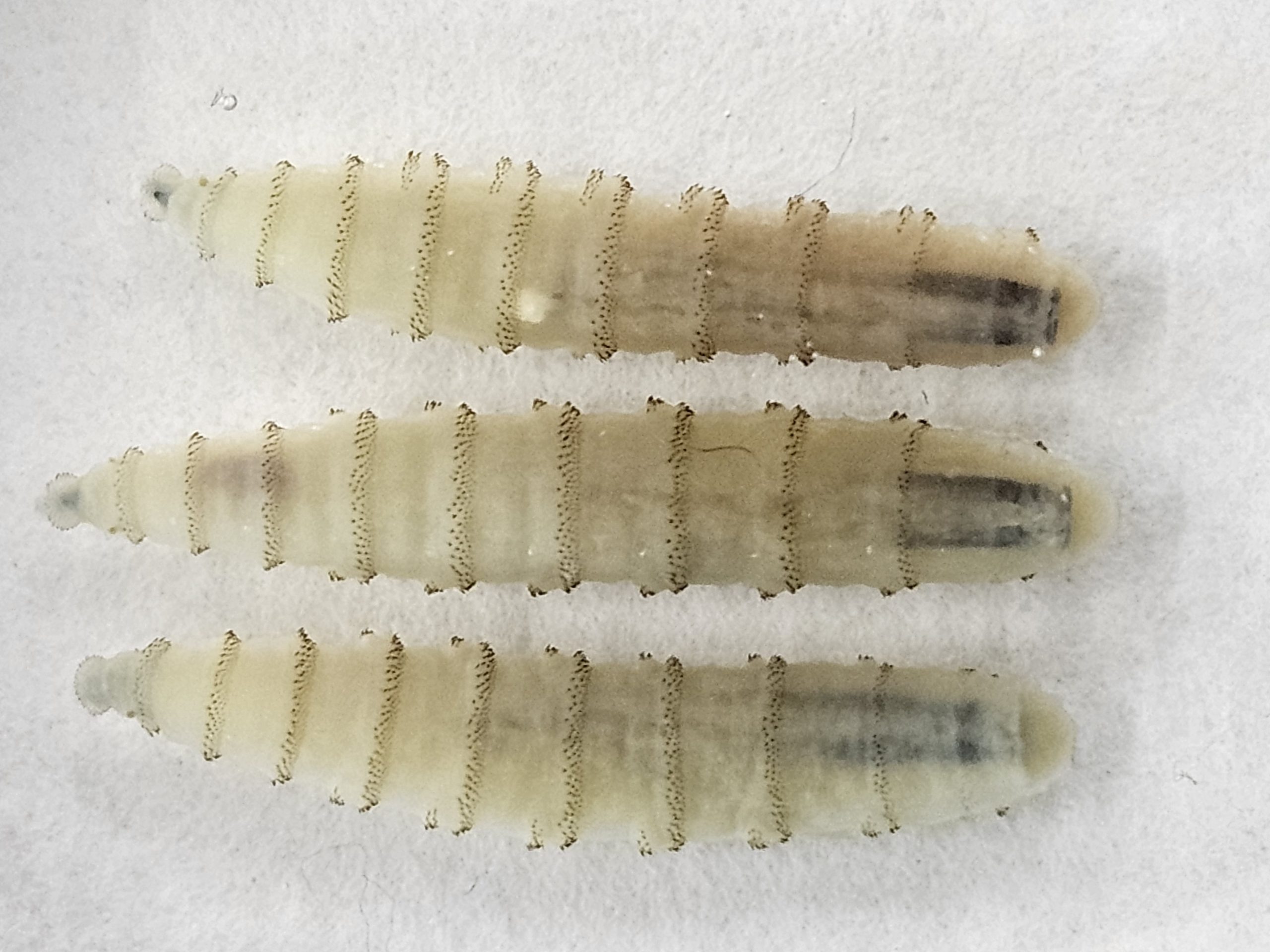
A confirmed case of New World screwworm in Nuevo León, Mexico, about 60 miles from the U.S. border, is drawing increased attention from animal health officials and livestock producers.
Texas Agriculture Commissioner Sid Miller described the detection in a young calf as a “flashing red warning sign,” noting the case is the northernmost active detection in Mexico.
“I’ve said it before, and I’ll say it again: when it comes to protecting our livestock industry, we must go on offense,” Miller said. “That means ramping up surveillance, tightening coordination at the border, and making absolutely certain every available resource is deployed to stop this dangerous pest.”
New cases in Mexico
Data from Mexican authorities show a rise in cases in recent weeks. In Tamaulipas, which borders Texas near Brownsville, active cases increased from 63 to 116 over a one-week period. Most of those cases remain more than 100 miles from the United States border.
Cases are also increasing in Nuevo León, where reported active infestations rose from two as of April 15 to eight by April 22. The latest case, involving a 7-day-old calf, is among the closest detections to the U.S. in recent years.
Overall, Mexican authorities reported a 13% increase in active cases within 400 miles of the U.S. border, rising from 1,295 to 1,469 between April 15 and April 22.
Both Tamaulipas and Nuevo León fall within a sterile fly dispersal zone, where approximately 100 million sterile flies produced in Panama are released as part of an ongoing control effort. The U.S. Department of Agriculture also monitors more than 7,100 traps on both sides of the border to track the pest.
Miller said the situation calls for increased vigilance and coordination, including expanded surveillance and use of available control measures. He also noted the ongoing halt of cattle movement from Mexico has affected supply chains and processing capacity.
Florida restricts importations of animals
In response to the growing concern, Florida has implemented an emergency rule restricting the importation of animals from six South Texas counties: Zapata, Jim Hogg, Starr, Hidalgo, Webb, and Brooks.
The rule requires all warm-blooded animals entering Florida from those counties to have an Official Certificate of Veterinary Inspection verifying they are free of infectious diseases and pests, including NWS. Additional requirements include treatment protocols for animals with wounds and strict timelines for veterinary inspection.
Florida Agriculture Commissioner Wilton Simpson said the measures are intended to reduce the risk of introduction of the pest into the state. He also urged producers and veterinarians to remain alert for signs of infestation.
Officials continue to emphasize early detection and rapid response as key factors in preventing the spread of NWS into the U.S.
“Our ranchers feed this country and fuel the Texas economy,” Miller said. “They deserve vigilance, urgency, and action. We’ve beaten the New World screwworm before, and we will beat it again, but only if we treat this threat with the seriousness it demands right now.”
Lacey Vilhauer can be reached at 620-227-1871 or [email protected].