Kansas continues response plan for New World screwworm
On June 3, the U.S. Department of Agriculture’s Animal and Plant Health Inspection Service confirmed the detection of a New World screwworm in a 3-week-old calf in Zavala County, Texas.
There has not been a confirmed case in Kansas at this time, and the Kansas Department of Agriculture’s Division of Animal Health is actively working in alignment with the USDA’s established strategies to respond to a confirmation of NWS in the U.S., including restrictions on animal movement from the infested zone.
“While this new confirmed case in Texas is a serious concern, we have been preparing for this scenario for over a year, and we have confidence in the response plan that is in place,”. Justin Smith, Kansas Animal Health Commissioner said. “We appreciate the awareness across the state and the help of livestock owners, veterinarians, pet owners, and other stakeholders who are important partners in preventing NWS in Kansas.”
New World screwworm is a treatable condition, so early identification is critical to the health of the infested animals, which is why monitoring and reporting play a key role in managing this threat.
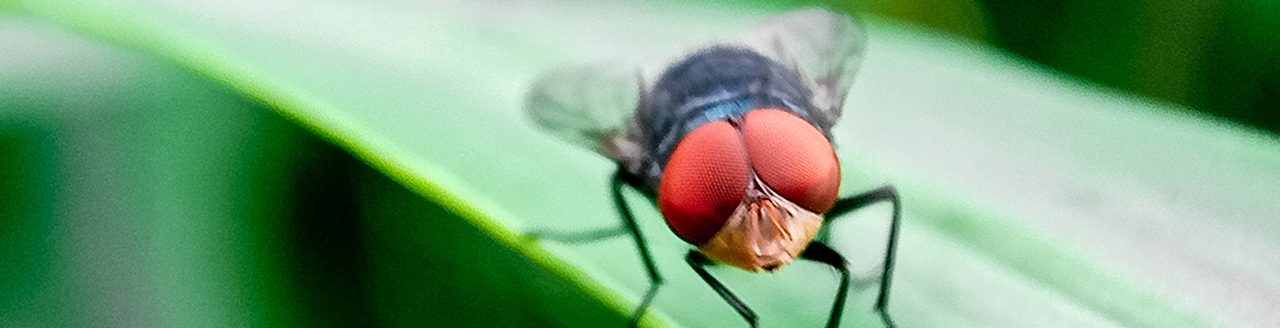
NWS is an invasive pest that affects livestock, pets, wildlife, and less commonly, people and birds. NWS larvae (maggots) burrow into open wounds of warm-blooded animals, which can be deadly if left untreated. NWS is not a contagious disease that spreads from animal to animal, but is the infestation of a parasitic fly. NWS poses a direct economic threat to the livestock industry, but it is important to note that this does not impact food safety.
KDA continues to update veterinarians and livestock producers about the current status of NWS in the U.S., and encourages all owners of livestock and pets who may be traveling to Texas or other regions near Mexico to be vigilant about the condition of their animals. Livestock and pet owners should also be aware that additional travel requirements due to NWS may be in place when traveling with animals within or around the infested zone.
For more information about travel requirements, clinical signs of NWS, or other information, go to KDA’s New World screwworm web page at agriculture.ks.gov/NWS or the USDA page at screwworm.gov. If you suspect an NWS case, contact your local veterinarian or the KDA Division of Animal Health at 785-564-6601. NWS is a reportable condition and should be reported to the Division of Animal Health.