Confirmation of first cases of New World screwworm prompt state responses
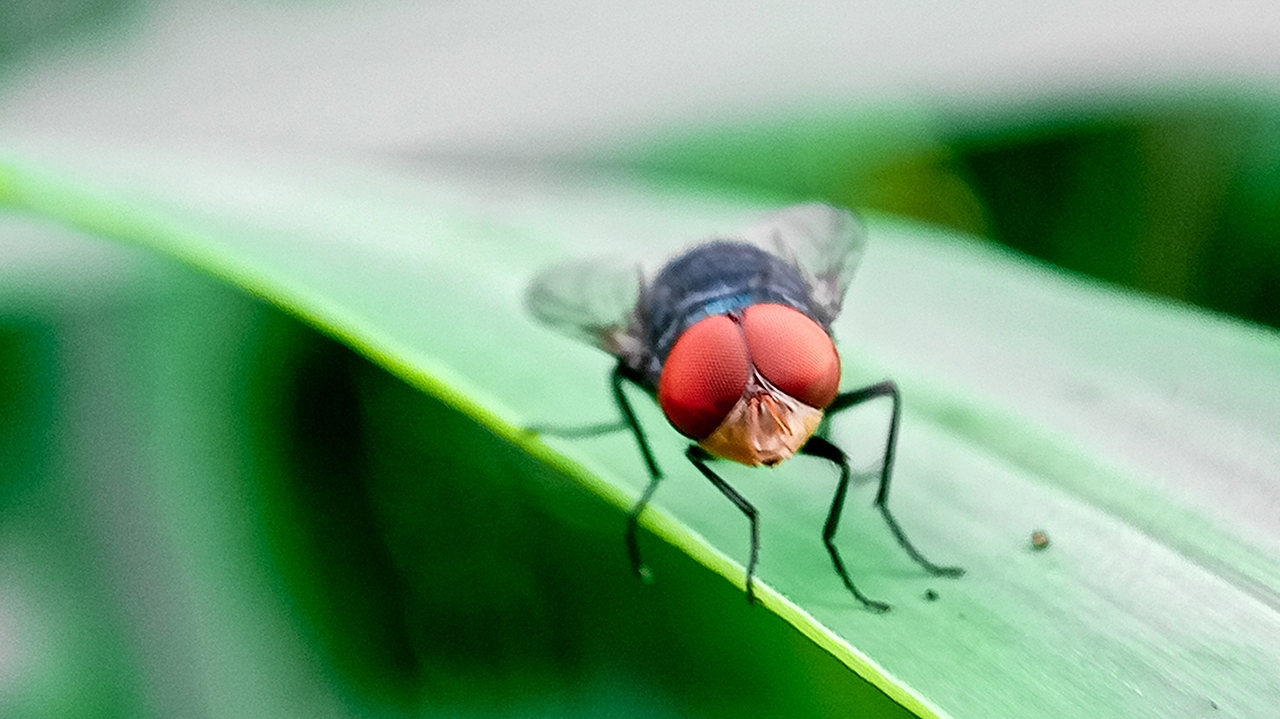
Four cases in Texas and one in New Mexico as of June 8 have prompted state animal health officials in Texas and surrounding states to ramp up efforts to help the public become aware of the threat New World screwworm poses.
The U.S. Department of Agriculture’s Animal and Plant Health Inspection Service confirmed details about an epidemiological investigation into the case that was reported June 8 in Andrews County, Texas. The veterinarian who reported the case is located in Texas, the dog resides at a household in Lea County, New Mexico. The location of the case was reclassified to be the first case detected in New Mexico.
This is believed to be an isolated case; however, because the dog’s recent travel and exposure history remain unknown, USDA and state partners have initiated inspection of additional animals in the dog’s home and increased outreach in the area while continuing to investigate the animal’s movement history.
“This situation is evolving, and we expect new information to emerge as our investigation continues. USDA is committed to sharing what we learn quickly, accurately, and transparently so animal owners and local communities have the information they need to stay vigilant,” Dudley Hoskins, Under Secretary for Marketing and Regulatory Programs, said in a news release. “We are working closely with our partners in New Mexico, Texas and across the region to ensure we identify, contain and respond to any potential cases as swiftly as possible.”
Details
New World screwworm poses a serious threat to livestock, pets, wildlife, and in rare cases, people. The larvae feed on living tissue and can cause severe wounds, animal suffering and significant economic harm if not detected and treated quickly.
APHIS and many state officials are working together closely to implement actions outlined in the NWS Response Playbook, including:
• Continuing the epidemiological investigation, sampling additional animals in the household, fly trapping;
• Preparing for release of sterile insects should it be needed; and
• Conducting outreach in the area to encourage reporting of additional suspect cases.
USDA urges residents in these areas to inspect animals daily for:
• Draining or enlarging wounds
• Maggots or egg masses
• Signs of discomfort or irritability
• Lesions around body openings (ears, nose, genital area, umbilicus)
Anyone suspecting an infestation should immediately contact their veterinarian, state animal health official, or USDA. A national reporting page with contact information is available here.
More information about New World screwworm is available at Screwworm.gov.
Kansas
On June 4, Kansas Department of Agriculture officials issued a press release following the confirmation of the first Texas case of NWS.
According to the news release, there has not been a confirmed case in Kansas, and the KDA’s Division of Animal Health is actively working in alignment with the USDA’s established strategies to respond to a confirmation of NWS in the U.S., including restrictions on animal movement from the infested zone.
KDA continues to update veterinarians and livestock producers about the status of NWS in the U.S., and encourages all owners of livestock and pets who may be traveling to Texas or other regions near Mexico to be vigilant about the condition of their animals. Livestock and pet owners should also be aware that additional travel requirements due to NWS may be in place when traveling with animals within or around the infested zone.
“While this new confirmed case in Texas is a serious concern, we have been preparing for this scenario for over a year, and we have confidence in the response plan that is in place,” said Kansas Animal Health Commissioner Justin Smith. “We appreciate the awareness across the state and the help of livestock owners, veterinarians, pet owners, and other stakeholders who are important partners in preventing NWS in Kansas.”
NWS treatable and early identification is critical to the health of the infested animals, which is why monitoring and reporting play a key role in managing this threat.
For more information about travel requirements, clinical signs of NWS, or other information, go to KDA’s New World screwworm web page at agriculture.ks.gov/NWS or the USDA page at screwworm.gov. If you suspect an NWS case, contact a local veterinarian or the KDA Division of Animal Health at 785-564-6601. NWS is a reportable condition and should be reported to the Division of Animal Health.
Oklahoma
The Oklahoma Department of Agriculture, Food and Forestry issued a press release June 4 after the Texas cases of NWS were confirmed and reiterated there is no confirmed cases in Oklahoma.
“It is important to note this does not impact food, and the food supply is safe,” the release stated.
ODAFF shared information to know before traveling to or through an infested state:
• Any species traveling from an infested state, but not an infested zone, can enter Oklahoma with a CVI that includes a statement “All animals in shipment do not originate from or transit through a NWS Infested Zone.”
• Any species that originates from an infested zone will need to meet the movement requirements for the state of origin AND obtain a permit from the Oklahoma State Veterinarian’s office AND have a CVI that states “all animals listed were individually inspected and found free of wounds.”
According to the release, there are steps livestock producers, pet owners, exotic and captive wildlife owners, and veterinarians can take to help identify and potentially slow the spread of NWS:
• Frequently inspect all livestock (cattle, sheep, goats, horses, swine, poultry, llamas, alpacas) pets, and captive wildlife for wounds;
• This includes navel wounds in newborns, dehorning/castration sites, tick bites, and any other open injuries;
Be aware of the common signs of a NWS infestation including foul-smelling discharge from wounds, cream-colored larvae in wound tissue and unusual wound enlargement.
Report any suspicious wounds or suspected cases of NWS immediately to your veterinarian, County Extension Agent or the ODAFF State Veterinarian at 405-522-6141.
ODAFF also advised steps hunters, taxidermists, wildlife rehabilitators, and the public that observe wildlife can take to help identify and potentially slow the spread of NWS:
• Monitor game cameras frequently for wildlife with cream-colored larvae in wound tissue and unusual wound enlargement;
• If detected, contact a game warden, veterinarian, or ODAFF with location, species, date and time seen. If pictures can be retrieved, submit to [email protected] with the above information;
• When intaking wildlife for rehabilitation, confirm location wildlife originated from. Examine for common signs for NWS infestation including foul-smelling discharge from wounds, cream-colored larvae in wound tissue and unusual wound enlargement;
For hunters, report any suspicious wounds or suspected cases of NWS on recently harvested wildlife immediately to your local game warden or the ODAFF State Veterinarian at 405-522-6141 prior to removal of wildlife. Guidance will be provided on obtaining samples and continued processing steps for consumption.
According to the release, proper reporting and identification of NWS is key to slowing the spread of this invasive pest. Producers, pet, exotic, and captive wildlife owners, and wildlife rehabilitators who suspect NWS should contact their veterinarian and/or county Extension agent immediately to help gather and send proper samples to the laboratory for testing. Do not attempt to self-treat a suspected NWS case before consulting a veterinarian or state official.
Colorado
Colorado Department of Agriculture officials also issued a release June 4 following the official confirmation of the first NWS case in Texas.
“The health and safety of our cattle, food supply, and agriculture community is vital and we urge care and vigilance for our producers around the state,” said Gov. Jared Polis in a news release. “Colorado is taking action to ensure readiness for the potential arrival of New World screwworm in our state and are committed to giving the best guidance and information available to protect producers and their cattle.”
The Colorado State Veterinarian’s Office is working with the USDA and Colorado livestock industry partners to prepare for potential impacts, particularly concerning trade and interstate movement of livestock. The New World screwworm does not pose a food safety risk, and the U.S. food supply continues to be safe.
“Colorado has been diligently preparing for the eventuality of a New World screwworm detection in the United States and we have a response plan ready,” Colorado State Veterinarian Maggie Baldwin said in a statement. “We are working closely with our livestock industry partners to minimize the impacts of this detection on our livestock industries.”
Vigilance in monitoring for myiasis is important, and early detection is key. A NWS infestation can be treated, but early detection is important to ensure animals can recover.
“Colorado’s cattle industry has been actively preparing with state and federal partners for the possibility of the New World screwworm reaching the United States. While this detection in Texas is concerning, there is no reason to panic,” Erin Karney Spaur, executive director of the Colorado Cattlemen’s Association said. “Producers should remain vigilant, monitor livestock closely, and contact their veterinarian if they observe unusual wounds or signs of infestation. The Colorado Cattlemen’s Association will continue working with animal health officials and industry partners to protect animal health and support producers as the situation evolves.”
Right now, there is no reason for concern for private horse or livestock owners, officials said. As always, producers should continue to monitor their livestock and contact their veterinarian if they note any concerning myiasis infestations.
“The Colorado Livestock Association is in close coordination with Dr. Maggie Baldwin. We appreciate all the effort that has gone into preparing for this eventuality, and the efforts to keep our industry informed as the first US case of NWS has been reported in Texas,” Travis Grant, CEO for the Colorado Livestock Association said. “As this situation unfolds, we are encouraging producers to remain calm and continue operating as usual while remaining vigilant about their livestock. CLA remains committed to coordinating with CDA and disseminating critical information quickly to keep producers informed.”
CDA will post updates about the response on the NWS web page at ag.colorado.gov/NWS.
Missouri
The Missouri Cattlemen’s Association also sent out a news release about NWS in the days after the first confirmed case of NWS.
According to the release, Missouri has assembled a New World screwworm joint working group led by State Veterinarian Steve Strubber. The working group is comprised of representatives from USDA, Missouri Department of Agriculture, University of Missouri Extension, Missouri Department of Conservation, and Missouri Department of Health and Senior Services
The working group prepared a Missouri NWS Response Plan. In light of the U.S. detection, Missouri has activated the plan.
According to the plan, any species traveling from an infested state, but not an infested zone, can enter Missouri with a Certificate of Veterinary Inspection that includes a statement “All animals in shipment do not originate from or transit through a NWS infested zone.”
Any species that originates from an infested zone must meet the movement requirements for the state of origin and obtain a permit from the Missouri State Veterinarian’s office and have a CVI that states “all animals listed were individually inspected and found free of wounds.”
MCA suggested steps to protect your animals—Prepare, inspect and act.
Prepare by developing and implementing strong fly and tick protocols for animals. Clean, treat and cover open wounds. If possible, delay practices which cause skin openings such as castration, dehorning or branding. Treat areas where these practices are performed. Register your farm for a premises ID so the Missouri Department of Agriculture can notify you if NWS is confirmed in the state.
Regularly monitor animals for signs of infection or maggots, especially around areas of castration, dehorning, branding, umbilical site, scrapes, lesions or a tick-feeding site. Know the signs of NWS: Bloody or light-colored drainage from a cut or wound; a cut or wound that rapidly enlarges for seemingly no reason; white or cream-colored runny substance (the eggs) in and around a wound; presence of fly larvae (maggots) in wounds; irritated behavior and signs of pain; head shaking; reduced appetite; fever and other signs of secondary infection; and foul odor or smell of decay.
If you see a live animal with signs of infestation, report it immediately. For livestock and pets, contact your local veterinarian or the MDA Animal Health Department at 573-751-3377.
For wildlife, contact the Missouri Department of Conservation at 573-522-0142 or report online.
For more information about the NWS, visit the Missouri New World Screwworm website. For more information about the Missouri Department of Agriculture and its programs, visit the MDA website.
Nebraska
Nebraska Cattlemen issued a news release recently about NWS cases in Texas and New Mexico. The organization plans on discussing NWS during its annal midyear meeting June 11.
NC said one of the key take aways is the U.S. beef supply is safe, as NWS is a animal health issue, and not a food safety concern.
According to the release, “We have prepared for this. NWS is not catching the American cattle industry flat-footed. For 18 months, we have been working with USDA, FDA, EPA, Congress, state animal health partners, and our counterparts in Mexico to make sure that producers have the tools and information they need to fight this pest. Today, we have options to prevent and treat infestation, protocols for safely moving cattle, a robust fly surveillance network in place at the border, and work is moving ahead at full speed to increase our supply of sterile flies.”
NC said minimizing misinformation is vital now.
“Misinformation and panic hurts everyone’s bottom line, either through the markets, consumer sentiment, or both. That impact extends to everyone who raises cattle and sells beef in this country. You can help promote and protect a stable business climate by using reliable information from your state vet or screwworm.gov,” the release stated.
NC’s Animal Health and Nutrition Committee has been actively engaged in conversations about NWS since the threat was first announced in 2024. The committee hosted several presentations to educate producers about the threat of New World screwworm, treatment options, and advocacy requests.
Further, the Nebraska Cattlemen board of directors created the Animal Disease Threat Working Group, which is comprised of NC staff, leadership, veterinarians, and other stakeholders to review USDA-APHIS’ NWS Response Playbook, discuss producer education opportunities to identify and stop the spread of NWS, and much more.
If you suspect a case of NWS, immediately notify your local veterinarian, the Nebraska Department of Agriculture at 402-471-2351, or the USDA Veterinary Services Office in Lincoln at 402-434-2300.
Iowa
Iowa Secretary of Agriculture Mike Naig June 5 issued a statement after the USDA APHIS confirmed a detection of the parasitic New World Screwworm in Texas.
“I appreciate Secretary (Brooke) Rollins’ leadership and all the work her team at USDA is doing to quickly respond to this case and work to prevent the spread of the parasitic New World screwworm fly,” Naig said. “The Iowa Department of Agriculture and Land Stewardship is closely monitoring the situation in Texas, and our team stands ready to respond as needed to protect Iowa livestock and our farm families’ livelihoods. Consumers should know that there is no food safety risk associated with New World Screwworm and properly cooked meat remains safe to eat and enjoy.”
For more information about NWS visit www.screwworm.gov.
Kylene Scott can be reached at 620-227-1804 or by email at [email protected].