
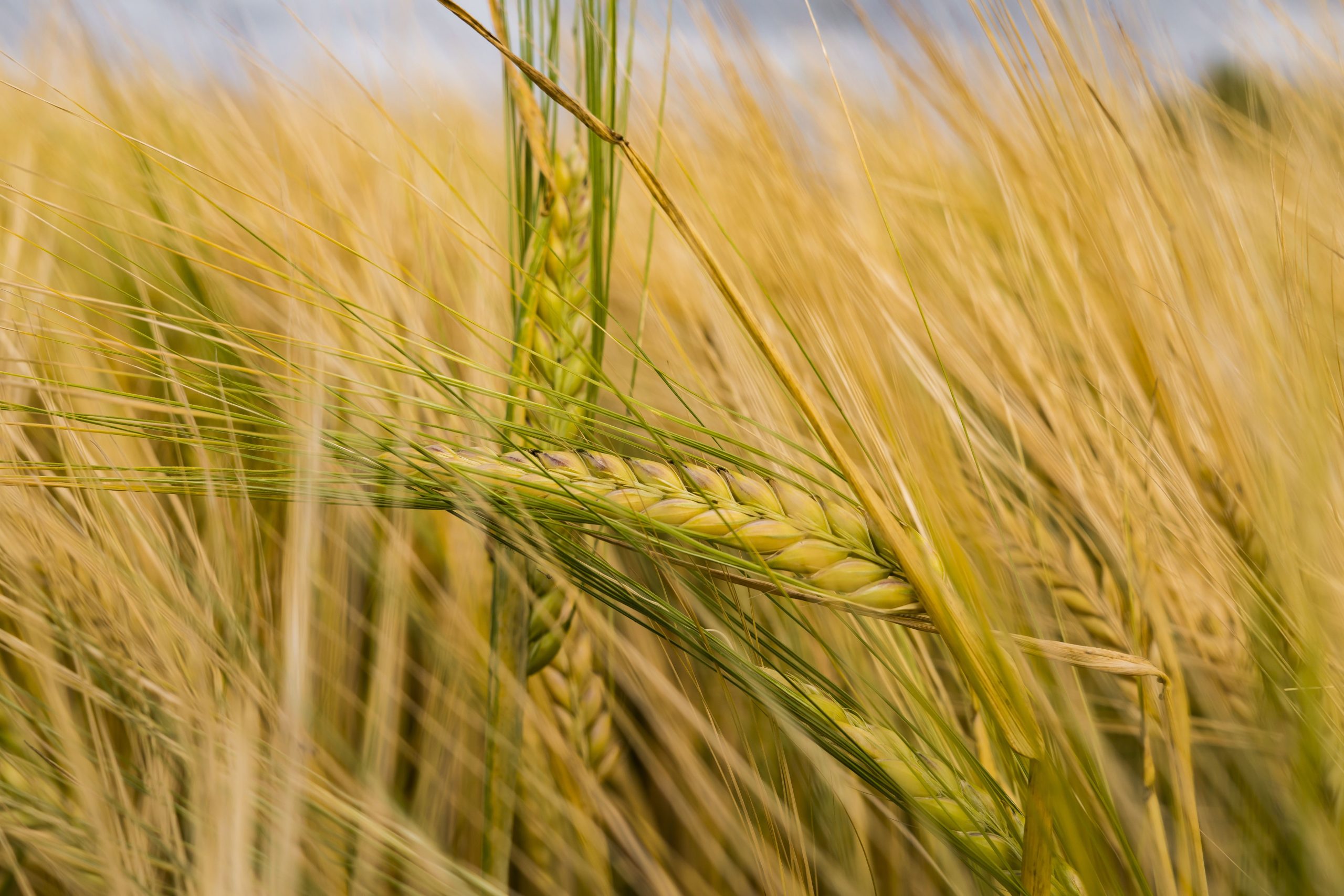
Wheat will likely remain king in the High Plains, but less traditional small grains, such as barley, can offer producers additional options.
Barley is one of the oldest cultivated grains, first domesticated in the Fertile Crescent around 9000 B.C. It was also once a common crop in the High Plains before production tapered off in the mid-1980s.
According to the U.S. Department of Agriculture’s National Agricultural Statistics Service, about 80% of U.S. barley production comes from Idaho, Montana and North Dakota. Idaho leads with 54.88 million bushels, followed by Montana with 31.59 million bushels and North Dakota with 28.08 million bushels. Colorado ranks fourth with 4.79 million bushels.
Michael Thompson of Thompson Farm and Ranch LLC in Almena, Kansas, has incorporated barley into his cropping system. He has raised it for grain and hay and used it as grazing forage.
“I think it’s a very valuable tool that’s probably underutilized,” Thompson said. “It’s just one of those things that has just gone out of vogue, or people have forgotten about it.”
Thompson said barley can fit into High Plains cropping systems, but producers need to consider the crop’s strengths and limitations and determine whether it fits their location and intended use.
Production advantages and challenges
Brandon Gerrish, assistant professor and Extension agronomist in small grains and oilseed crops with Texas A&M University, said barley offers several potential advantages for High Plains producers.
Barley typically requires less nitrogen than wheat, Gerrish said.
“With how much we’re seeing nitrogen prices go up this year, this can make a big difference, specifically for the High Plains,” Gerrish said.
Water use can also be an advantage. Gerrish said research indicates barley can require less water than wheat to produce a similar seed crop.
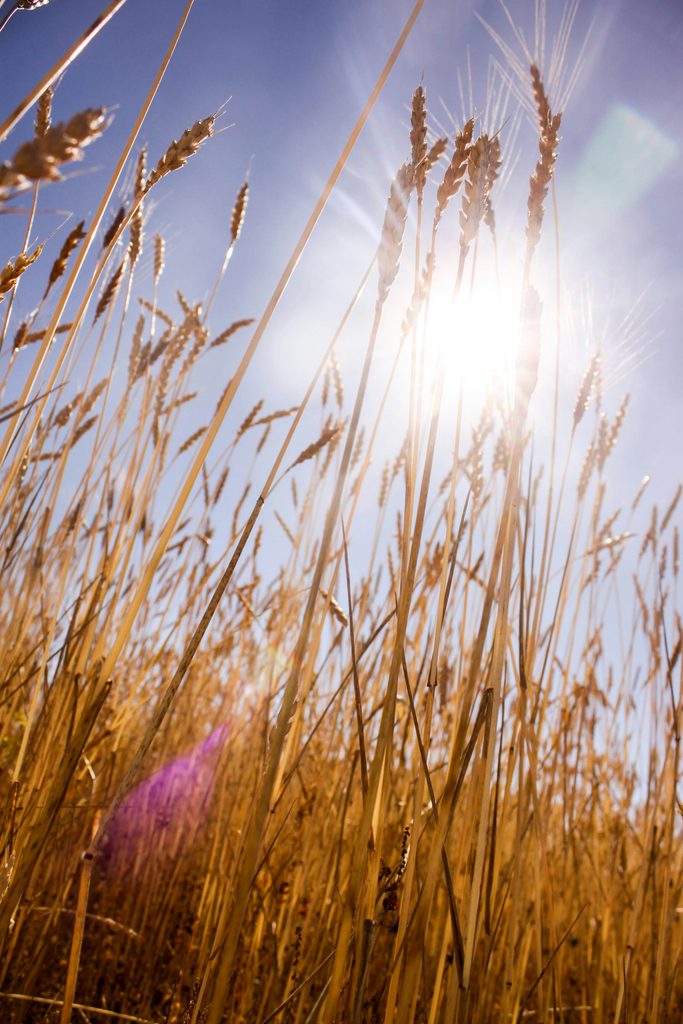
One of barley’s biggest advantages, he said, is its tolerance to saline soils.
“In areas that have a lot of salt accumulation, which may not grow other species like wheat as well, they can grow barley on it,” Gerrish said.
When barley is grown on soil with high salt accumulation, the crop can take up some of those salts. If the barley is harvested as forage and removed from the field, some of those salts are removed with it, Gerrish said, providing a potential soil-remediation benefit.
The crop does have limitations. Gerrish identified climate, seed availability and market access as considerations for producers.
Depending on the intended use, extreme temperatures can be a challenge. Heat stress can increase protein levels in barley, which can make the grain unsuitable for malting. Barley also is not as cold tolerant as wheat or rye and can experience foliar burnback during significant winter conditions.
Seed availability can be another hurdle, particularly in regions where barley is not commonly grown or where dry conditions have reduced production. The High Plains has fewer varieties adapted to the region than are available for wheat.
Market access is another consideration. Gerrish said barley does not have the same number of market outlets as wheat, making it important for producers to identify a market before planting.
Malting barley offers a specialty market
The highest value of use for barley is malting, which provides an ingredient for alcoholic beverages such as beer and whiskey. The specialty market can provide an opportunity for producers, but malting barley also comes with strict quality requirements.
Bill Markham of M & M Farms near Berthoud, Colorado, farms at the edge of the Rocky Mountains. His family has raised irrigated malting barley for Coors Brewing Company in Golden, Colorado, for 63 years.
“We have always enjoyed raising barley for Coors,” Markham said. “It’s an honor to be involved with the family and the brewery. We’re one of the oldest barley growers in their system.”
Keeping grain below 14% protein is one of the biggest challenges for malting barley growers, Markham said. When barley is subjected to intense heat, plant stress can increase protein levels.
“You would think that high protein barley would be worth more money, but it’s not because it doesn’t do good in the brew house,” Markham said.
Markham had not exceeded the protein threshold during his career until 2026, when some of his crop experienced significant stress and needed rainfall did not arrive.
“Our water situation this year was terrible,” Markham said. “We have been really sure to water. We haven’t had any rain here all summer. It’s probably the worst I’ve seen in my lifetime.”
Markham stores the barley on the farm until the brewery needs the grain. His 2026 contract price with Coors was $11.25 per hundredweight, down from $12 per hundredweight in 2025.
“Last year it was $12, but the price of grain has dropped,” Markham said. “They follow the Chicago Board of Trade. They watch to see what the grain markets are doing, and you only contract your barley in September.”
Barley provides forage flexibility
Forage is one of the most common uses for barley in the High Plains. The crop can be grown as a cool-season forage or incorporated into a grazing mix for livestock.
Barley is highly palatable and establishes a stand faster than wheat, providing an opportunity for earlier fall grazing.
“From a forage standpoint, that’s a big advantage,” Gerrish said. “Barley will also put on more vertical growth early on than most of our wheat varieties. If you grazed it, it won’t get quite as tall, and so they don’t run into as many lodging issues later in the year.”
Thompson said barley can provide producers with additional flexibility when dry conditions force changes to a cropping or grazing plan.
“Wheat is the go-to as far as cereal grains, and while it’s a good grain crop, I think there’s a lot more opportunities with other cereals such as barley, triticale and rye,” Thompson said. “It seems like you can get a little quality grazing, rather than just wheat.”
A barley crop can be grazed if grass supplies run short, harvested as emergency hay or allowed to mature for grain, Thompson said.
“Barley is pretty water efficient and doesn’t take a large amount of water out of the soil,” he said. “If you’re looking at subbing something in, whether it be a winter barley or a spring barley, it’s really something that you could probably follow other crops with.”
Thompson said spring barley also could provide an alternative to fallow in some wheat rotations.
“You could plant a spring barley, in a wheat rotation, and still be a fallow replacement,” he said. “You get some benefit of being able to keep a few more animals on your place because you’ve got feed for them, and the ground is not just sitting there baking in the sun. It’s a dual purpose.”
Barley also can be harvested for hay or silage. Hay quality depends on harvest timing and variety, with awnless varieties preferred.
Barley silage is made by chopping and fermenting the whole plant. The crop is typically harvested during the soft dough stage to balance yield and nutritional value.
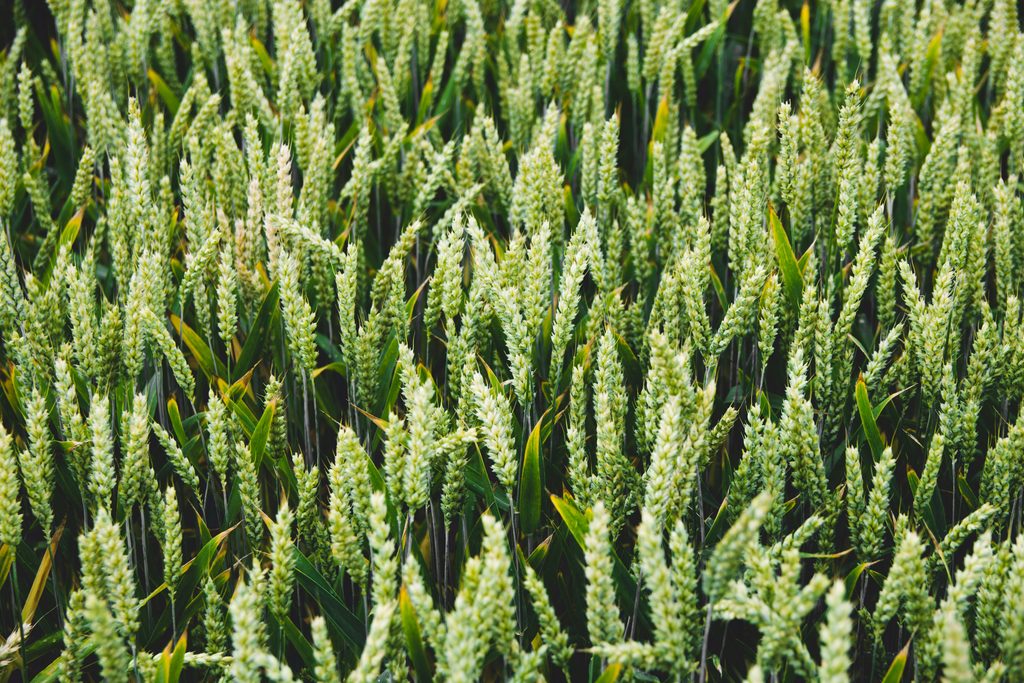
Barley grain offers another feed option
Barley grain also can be used in livestock rations, although its nutritional characteristics differ from wheat and corn.
Wheat generally provides more crude protein and energy than barley. Barley contains more crude protein than corn, although it provides less energy.
“Barley is every bit as good, if not maybe even a little bit better than corn, as far as nutritional values,” Thompson said.
Barley also has more fiber than wheat and corn. Higher fiber can help buffer the rumen and stabilize digestion, although ration formulation and proper management remain important when feeding any cereal grain.
For Thompson, the value of barley comes down to finding the right place for the crop within an individual operation.
“You’ve got to find where you can make it work, and I think in today’s economic climate, if you can find those niches, different crops like this can fit into, and tighten your rotations, and it’ll help you be more profitable in the end,” he said.
For High Plains producers, barley is unlikely to displace wheat as the region’s dominant small grain. But its potential for grazing, hay, grain, and malting, can give producers another tool when building a cropping system around their operation’s needs.
Lacey Vilhauer can be reached at 620-227-1871 or [email protected].



