
Beef industry faces uncertainty entering October
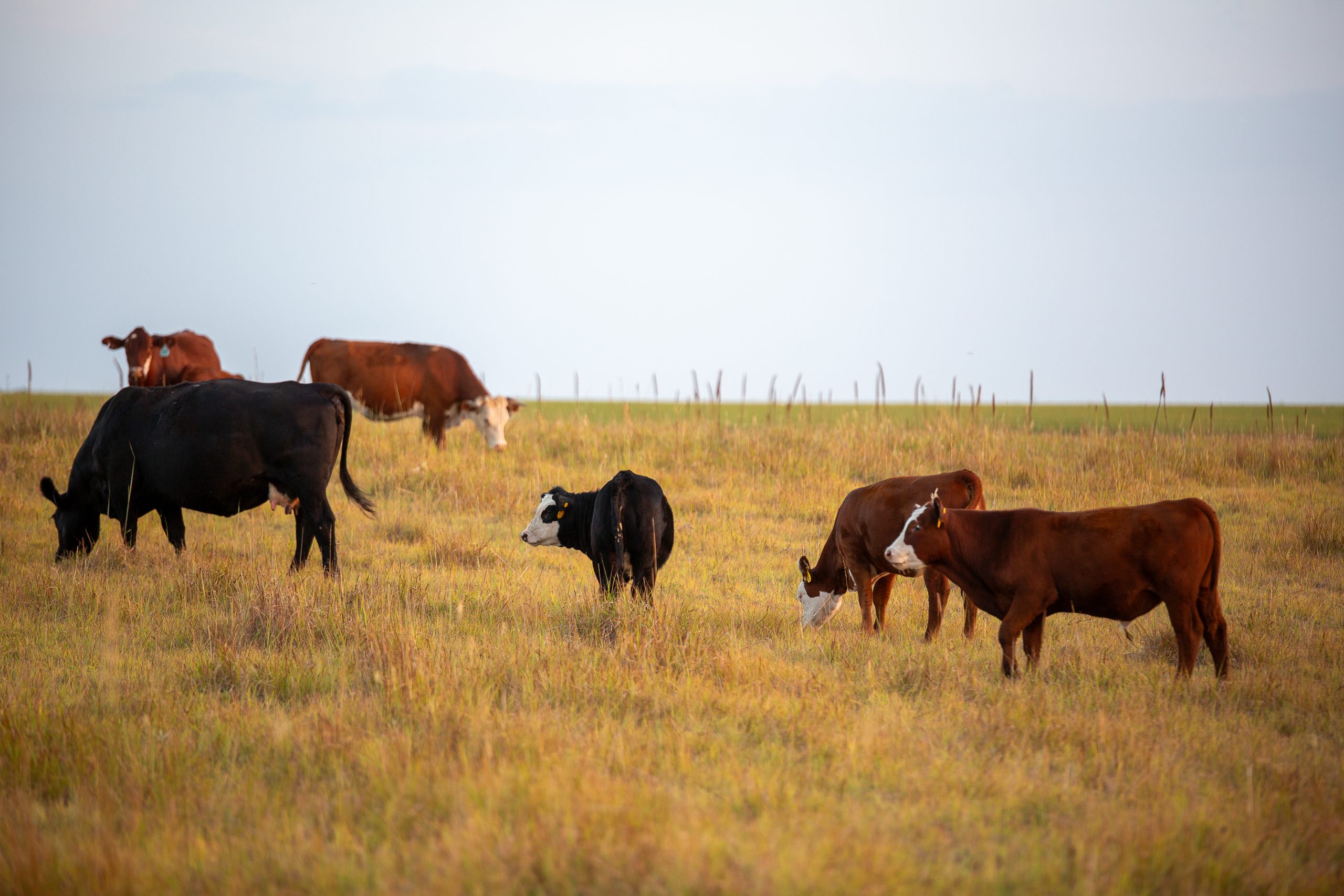
The beef industry enters October after a year marked by policy shifts, supply disruptions and changes in meat packing capacity.
Ranchers have navigated changing federal positions on beef imports, the closure of the southern border because of the New World screwworm and realignments in the packing industry.
The latest development came when President Donald Trump announced in a proclamation the administration plans to allow 300,000 metric tons of duty-free ground beef imports for 90 days. The administration said the move, which began Sept. 1, was intended to help bring down elevated beef prices.
Brazil is likely to be the leading source of the imported beef, said Glynn Tonsor, a professor in the Department of Agricultural Economics at Kansas State University. He studies the livestock industry and meat supply chain.
David Anderson, a professor and Extension specialist who studies livestock and food product marketing at Texas A&M University, also expects imports from Paraguay and Nicaragua.
“Brazil most likely has the supplies and will be looking for a place to send beef as China’s tariff-rate quota kicks in and because of European Union’s new restrictions being placed on Brazilian beef,” Anderson said.
“That has got many producers mystified,” said Buck Wehrbein, a Nebraska cattle feeder and past president of the National Cattlemen’s Beef Association, noting that the administration had closed the southern border to Mexican feeder cattle imports because of the NWS. “That exacerbated the supply.”
Wehrbein said the imported beef will be trimmings used in ground beef. Anderson said the U.S. is already importing a record amount of beef and the majority consists of trimmings.

“That hits us right in the solar plexus,” Wehrbein said. He compared the situation to 18 months ago, when the administration allowed large quantities of egg imports during the avian influenza outbreak, a move he said hurt poultry and egg producers.
Anderson said the move is not likely to change prices for consumers when they go to the grocery store.
“Most of the beef goes to restaurants and food service,” he said. “Grocery stores are selling fresh beef and this product comes in frozen. It could result in some effect on wholesale 90% lean prices, which would have some indirect effects, but not much. There would likely be a bigger short-term effect on restaurant beef costs and might help their margins a little bit.”
Tonsor does not anticipate any material change in retail beef prices to follow from the announcement itself. “The most likely source of lower beef prices is reduced demand from consumers given macroeconomic pressures on household finances.”
At wholesale, fresh 90% lean prices are declining as they usually do this time of year and were equal to year-ago prices, Anderson said. Fifty percent lean prices have dropped dramatically. They averaged 94 cents per pound, about 67 cents per pound lower than a year earlier.
The main drivers of falling prices include increased cull-cow production, increased beef production and steer slaughter, and demand shifting to more fall-type items rather than grilling-season items, Anderson said. The imported beef comes at a time when prices normally are on the decline.
“Mitigating the potential price impact is that we were already going to import a record amount,” he said. “These tariff-free imports will just be the beef we were going to import already, but we’ll let it in with no tariff. I do expect we will import more beef because of this than we would have otherwise just because of the effect of no tariffs.”
Wehrbein said his concern was that countries sending the beef are not known for adhering to the same strict animal health protocols used in the United States, where processed beef is inspected by the U.S. Department of Agriculture.
“This is disconcerting,” he said. “Allowing beef that is not certified to the same standard is not going to inspire confidence among producers moving forward.”
Anderson said the imports will likely affect cull-cow prices and slow herd expansion. “High prices are the market signal to expand,” Anderson said. “Lower prices or more announcements designed to lower prices reduce the incentive.”
That uncertainty, Wehrbein said, could make cow-calf producers reluctant to expand their herds.
“Uncertainty does not encourage investment, and with higher interest rates, it’s not going to help,” Wehrbein said.
Earlier in the month, the Federal Open Market Committee announced the Federal Reserve was going to raise interest rates by a quarter percentage point and Wehrbein that will be on the minds of ranchers and other expenses that are on the rise.
“Diesel and gas prices are very important in this,” Anderson said of other risk factors producers are facing.
“Not only does it increase production costs, but it is going to result in lower calf prices because of transportation costs,” Anderson said. “Interest rates continuing to increase are going to hurt. The corn market is going to be very important for calf prices this fall.”
Producers should always be familiar with their costs of production and implied breakeven numbers, Tonsor said. “The reality of high interest rates increases borrowing costs and also opportunity costs from possible investments. Front of mind is possible herd expansion and associated capital requirements—elevated interest rates themselves will likely slow some expansion interests.”
Packing plant closures add pressure
For beef producers, the goal in 2027 will be stability, Wehrbein said, adding that stability has always been a priority for all sectors.
Over the past year, the industry has watched three plants close, including a Tyson plant in Wehrbein’s home state.
Packing plants have adjusted processing capacity to align with the nation’s cattle herd. Still, Wehrbein said the closures have forced ranchers and feedlots to ship cattle farther, adding marketing and transportation costs at a time when diesel fuel remains expensive.
Demand remains a bright spot
The good news, Wehrbein said, is that American consumers continue to want and buy quality beef.
“Despite all these announcements that are causing more price volatility, market fundamentals remain good for calf prices,” Anderson said. “Tighter supplies and good demand will keep calf prices historically high and that is good.”
The U.S. Meat Export Federation said in early September that July exports of U.S. beef climbed 6% year over year in value while volume was steady.
Beef exports totaled 89,139 metric tons, steady from a year earlier, while the value was 6% higher at $796.7 million. The value increase was driven primarily by Taiwan, as well as strong results in Mexico, Japan, the Middle East, Colombia, the Caribbean and the Association of Southeast Asian Nations.
U.S. beef is also popular in other countries, Anderson said. Anderson said tariffs and other regulations have affected exports to China, adding that high beef prices have had a larger effect on U.S. exports to Japan, South Korea, Canada and Mexico.
Whether demand will remain strong is hard to forecast as the broader trade environment is highly volatile, Tonsor said.
“There are aspects of international trade that reflect basic comparative advantages and in that respect the U.S. meat-livestock sector is well positioned,” Tonsor said. “There are other aspects that are broader, multi-industry and reflect a more encompassing country-relationships situation that is harder to be optimistic about at this time.”
The photo at top was taken by Kylene Scott.
Dave Bergmeier can be reached at 620-227-1822 or [email protected].



