Millions of Thanksgiving turkeys come with built-in pop-up timers. But that’s not the best way to tell whether the bird is safely cooked, says a University of Missouri Extension food safety expert.
A food thermometer is more accurate, more versatile and not particularly expensive, says Lakshmikantha “Kantha” Channaiah, MU Extension state specialist in food processing.
The pop-up timers that come with many turkeys may activate too soon or too late, Channaiah says. “But a food thermometer gives a direct temperature measurement. That is the best way to know whether the turkey is fully cooked.”
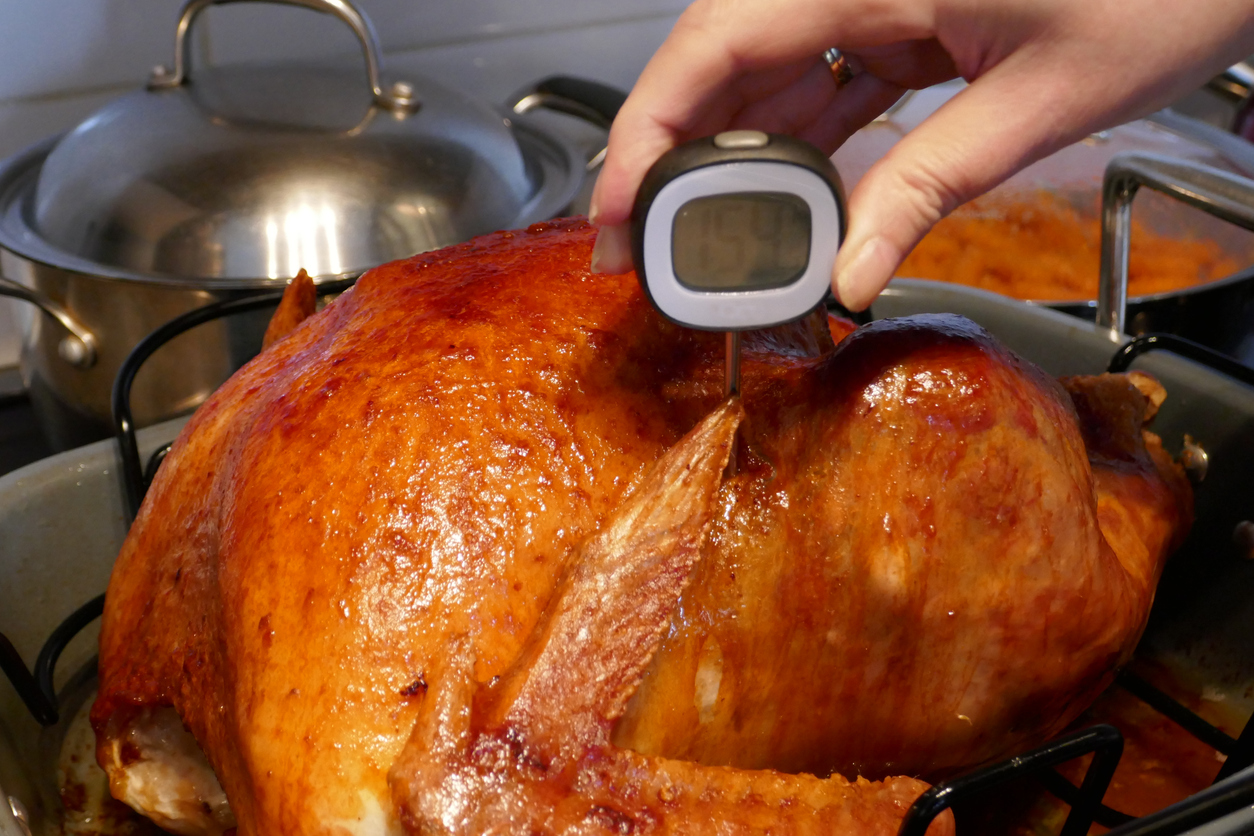
Turkey should reach an internal temperature of 165 degrees Fahrenheit. The most reliable way to check is to insert a thermometer into the thickest part of the thigh without touching bone.
Color is not always a reliable indicator, Channaiah says. A turkey can appear done before it reaches a safe temperature. Conversely, some fully cooked birds may retain a pinkish tint in certain areas.
“Appearance can be misleading,” Channaiah says. “A thermometer removes the guesswork.”
Fortunately, a good food thermometer is one of the more affordable kitchen tools. Digital instant-read models are widely available for $10 to $25 and can be used year-round for hamburgers, steaks, pork chops, casseroles, soups and leftovers.
Inexpensive dial thermometers also can provide a reliable temperature reading when properly calibrated and used according to the manufacturer’s instructions, and some models can safely remain in the oven.
Thermometers can also help you avoid overcooking your turkey. Many people continue roasting a turkey long after it has reached a safe temperature because they are relying on cooking times listed in recipes or assumptions based on the bird’s appearance. Checking the temperature allows cooks to remove the turkey at the right moment, helping preserve moisture and flavor.
Before the holiday season, Channaiah recommends testing older thermometers for accuracy. A simple ice-water test should produce a reading of 32 F. If the thermometer is significantly off, it may need recalibration or replacement.
“Thanksgiving meals require a lot of planning and preparation,” Channaiah says. “A food thermometer is a small investment that helps protect both food safety and food quality.”
For many holiday cooks, it may be the most important tool in the kitchen.
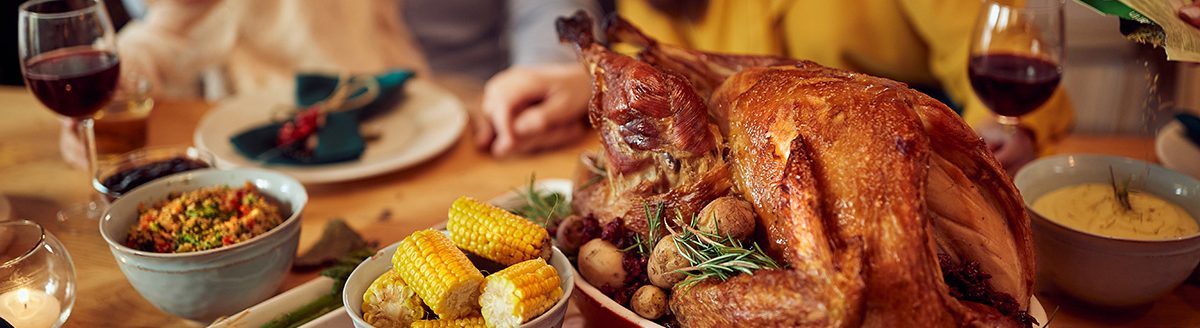
PHOTO: Roasted Turkey for Thanksgiving. (iStock-#1059868674 │ Hailshadow)